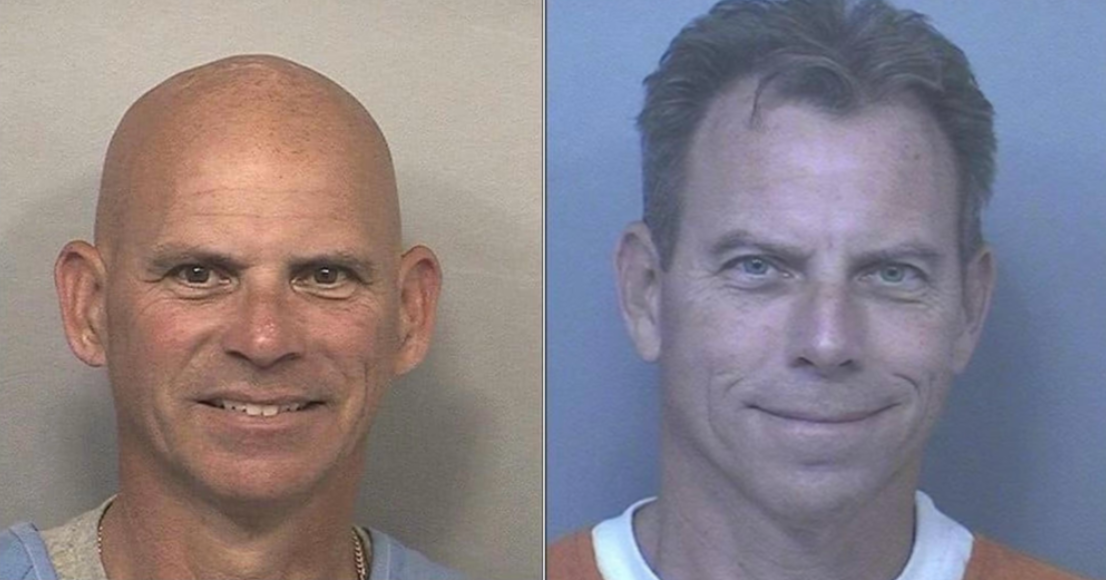
Dale and Glee Ewell and their daughter Tiffany were shot dead in their California home in 1992. Their surviving son, Dana, stood to inherit the family fortune. Investigators uncovered a murder plot involving Dana and a friend, and both were convicted. The apparent family tragedy became a case about a son arranging his relatives’ deaths for money.
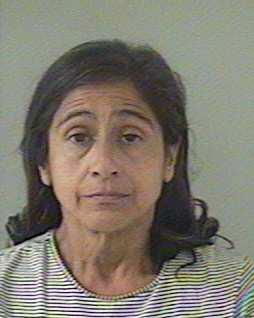
Jaycee Dugard was abducted at age eleven on her way to school in California in 1991. Phillip and Nancy Garrido held her captive for eighteen years, during which she gave birth to two daughters. Her discovery in 2009 exposed both the long confinement and missed opportunities to uncover it.
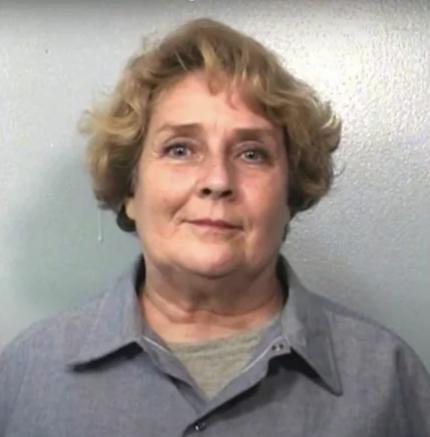
Betty Broderick entered the home of her former husband, Dan Broderick, and shot him and his new wife, Linda, as they lay in bed in 1989. The killings followed a bitter divorce and years of conflict. Her televised court proceedings divided public opinion; a jury convicted her of two counts of second-degree murder.
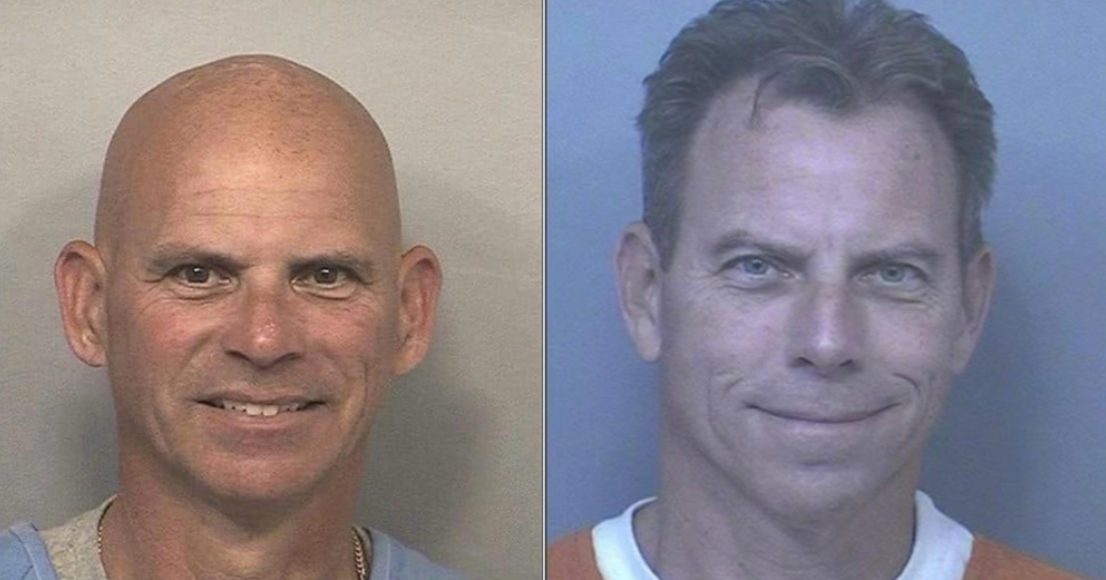
Lyle and Erik Menendez were convicted of killing their parents, José and Kitty, in Beverly Hills in 1989. Their sentences were reduced to 50 years to life in May 2025, but both were denied parole that August. September 18, 2026 reporting gives tentative new hearing dates of February 23 and 24, 2027; parole has not been granted.
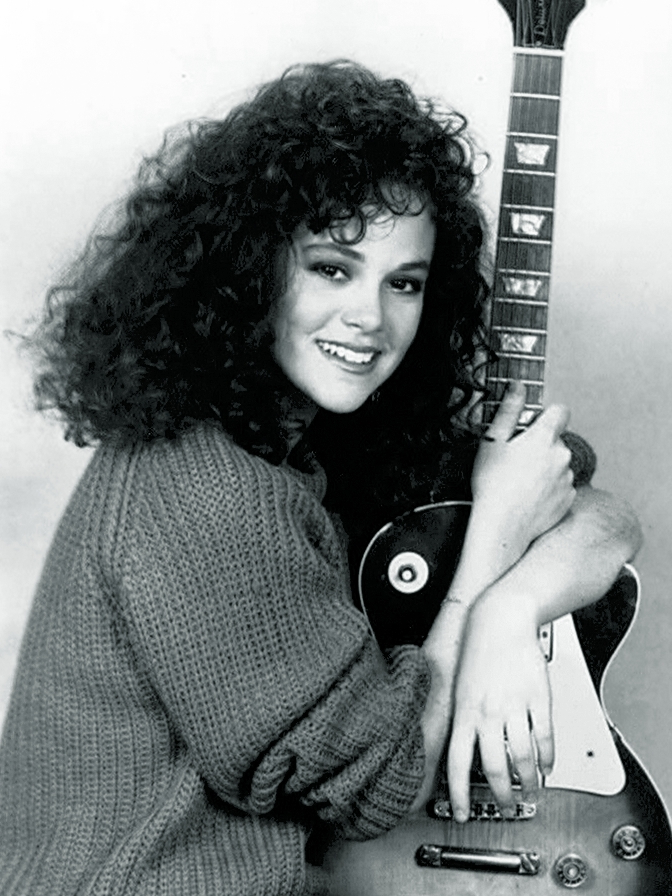
Actress Rebecca Schaeffer was shot at her Los Angeles door in 1989 by stalker Robert Bardo. He had obtained her address through a private investigator. Her death drew attention to access to personal records and became a prominent case in the campaign for stronger anti-stalking protections.
Carol Montecalvo was killed in California in 1988. Her husband Dan said burglars had attacked them, but investigators accused him of murdering her for financial gain, and he was convicted. A later burglary confession raised questions about the case; prosecutors rejected that account, leaving sharply conflicting versions of what happened.
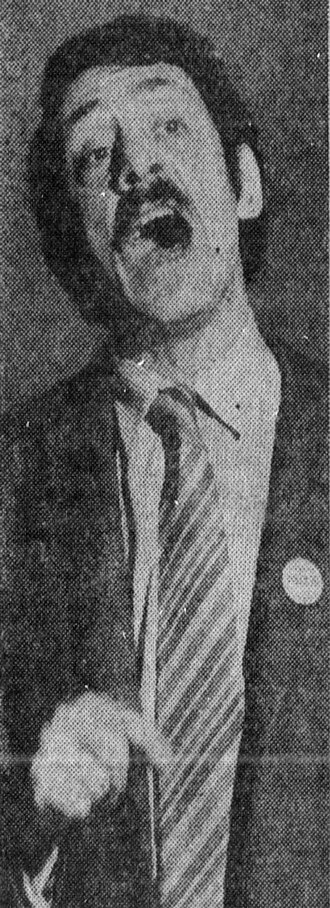
Chippendales founder Somen “Steve” Banerjee’s business success was followed by murder-for-hire plots, including the killing of choreographer Nick De Noia. Deadly Dance and its television adaptation examine the rivalry; reporting helps separate the documented investigation from dramatic invention.
Sherri Rasmussen was killed in her Los Angeles home in 1986. Investigators initially treated the attack as a burglary, but preserved DNA evidence eventually pointed to police detective Stephanie Lazarus, a former girlfriend of Rasmussen’s husband. Lazarus was arrested more than two decades after the crime and convicted of murder.
Fourteen-year-old Cinnamon Brown shot her stepmother, Linda, in California in 1985 and initially took responsibility. Investigators later uncovered a plot directed by Cinnamon’s father, David Brown, who stood to benefit financially. The case revealed how he manipulated his daughter into killing and accepting the blame, leading to further convictions.
Seventeen-year-old Michele “Missy” Avila was lured into the Angeles National Forest and drowned in 1985. Her friends Karen Severson and Laura Doyle were eventually convicted of killing her. The case was especially disturbing because the killers remained close to Missy’s grieving family while the crime was still being investigated.
Doreen Erbert was killed at her California home on Halloween in 1984 by her former husband William Michael Dennis, who arrived in disguise. Her pregnancy also ended in the attack, while her daughter survived by hiding. Dennis was convicted in the case.
A 1984 hardware-store fire killed four people in South Pasadena. Fire investigator John Orr was later convicted of murder and arson. Reporting, books, a podcast, and dramatizations examine how an investigator came to be identified as the arsonist.
Fifteen-year-old Kirsten Costas was stabbed to death by schoolmate Bernadette Protti in Orinda, California, in 1984. The attack followed an evening outing and months of resentment over social acceptance. Protti’s involvement emerged after a lengthy investigation. The killing brought national attention to teenage jealousy, status, and violence in an affluent community.
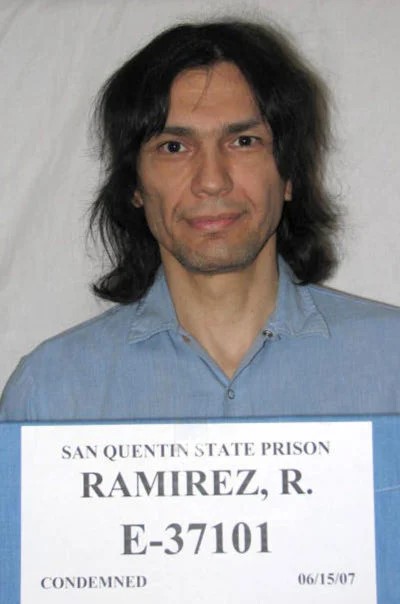
Richard Ramirez entered homes across California during a series of murders, sexual assaults, and other attacks in 1984 and 1985. Public identification helped end the manhunt. The crimes and the investigation became widely known through reporting about the Night Stalker.
Suesan and Sheila Knorr died in separate incidents in California after prolonged abuse by their mother, Theresa Knorr. Other children in the household were drawn into concealing the crimes. Their surviving sister Terry later helped bring the deaths to investigators’ attention. Theresa pleaded guilty to murdering both daughters.
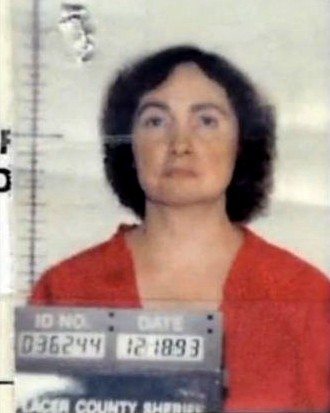
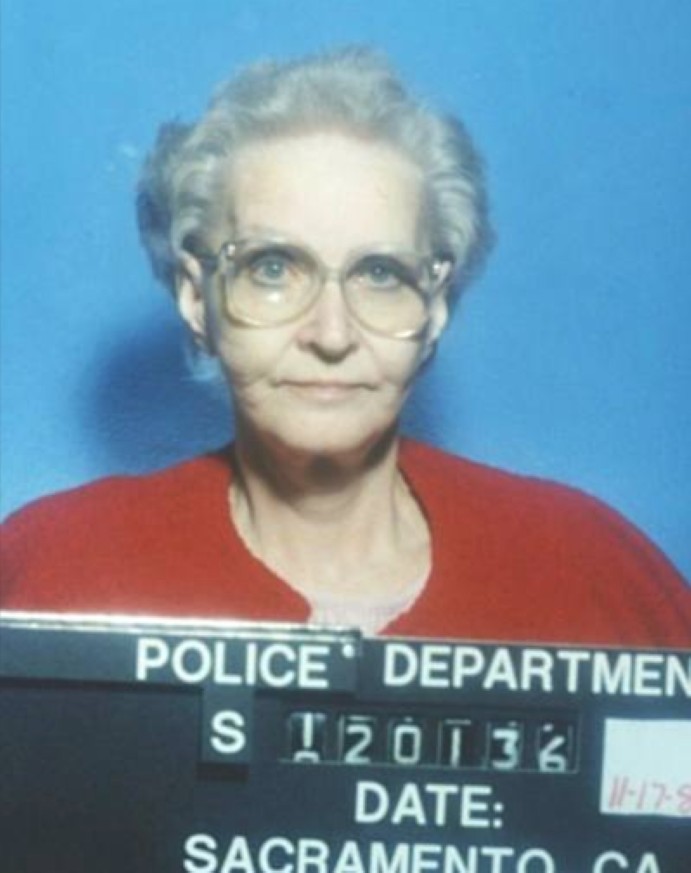
Police searching Dorothea Puente’s Sacramento boarding house in 1988 found bodies buried in the yard. Puente had been collecting benefit checks belonging to vulnerable tenants, some of whom had disappeared. The discoveries contradicted her image as a caring landlady. She was ultimately convicted of three murders.
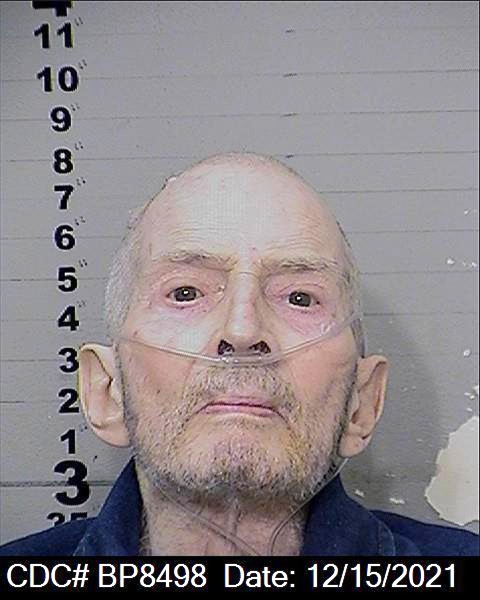
Robert Durst became the focus of investigations involving his missing wife Kathie, his friend Susan Berman, and neighbor Morris Black. He was acquitted in Black’s death after claiming self-defense, but convicted of Berman’s murder in 2021. The Jinx brought renewed attention to the overlapping cases.
Actress Theresa Saldana survived a stalker’s stabbing attack in Los Angeles in 1982 after a passerby intervened. Arthur Jackson was convicted. Saldana later wrote about the experience and advocated for crime victims, including through a television dramatization in which she portrayed herself.
Dorothy Stratten, a model and actress beginning a film career, was killed in 1980 by her estranged husband Paul Snider, who then killed himself. Books, reporting, and dramatizations have examined his controlling behavior and the pressures surrounding her rise to fame.
Sixteen-year-old Brenda Spencer fired at an elementary school from her San Diego home in 1979, killing two staff members and injuring children and a police officer. Her remark about disliking Mondays became notorious. The victims’ experiences form an essential part of the case beyond that phrase.
College student Catina Rose Salarno was killed by her former boyfriend Steven Burns. Her family’s continuing efforts concerning his imprisonment are a focus of the linked reporting.
Colleen Stan was abducted while hitchhiking in 1977 by Cameron and Janice Hooker. She endured seven years of captivity, threats, and abuse before escaping. Books and screen adaptations examine how coercion helped keep her trapped even when she was sometimes outside the house.
Harvey Milk built a political base in San Francisco’s Castro neighborhood and won election to the Board of Supervisors as an openly gay candidate. He advocated against discrimination before he and Mayor George Moscone were assassinated in 1978. His organizing and death became defining events in LGBTQ political history.
Nineteen-year-old Patty Hearst was kidnapped by the Symbionese Liberation Army in 1974 and later appeared in its bank-robbery surveillance footage. Her prosecution examined her participation alongside her account of coercion and abuse. She was convicted, then received a sentence commutation and later a presidential pardon; American Heiress revisits the events and their political setting.