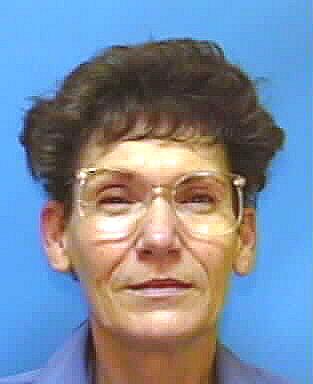
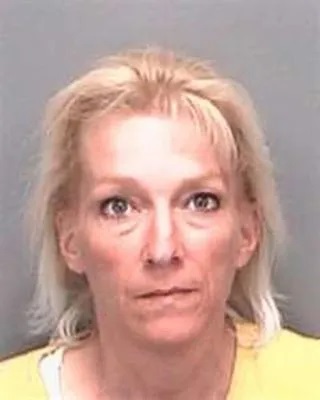
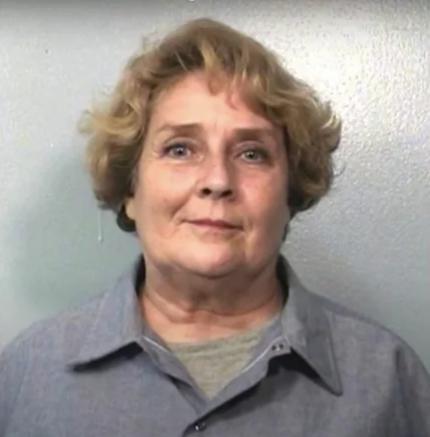
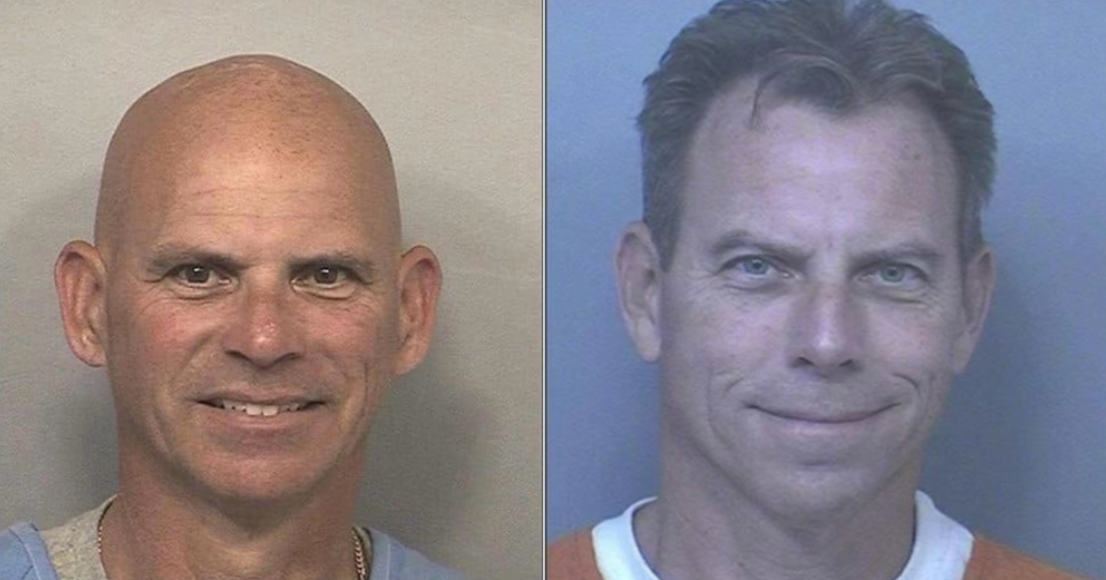
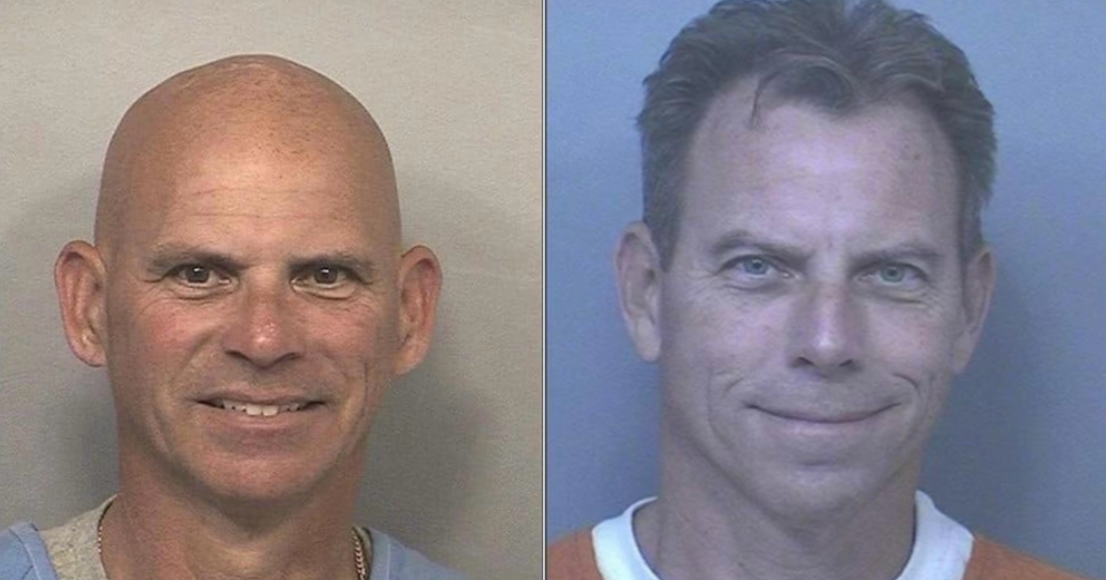
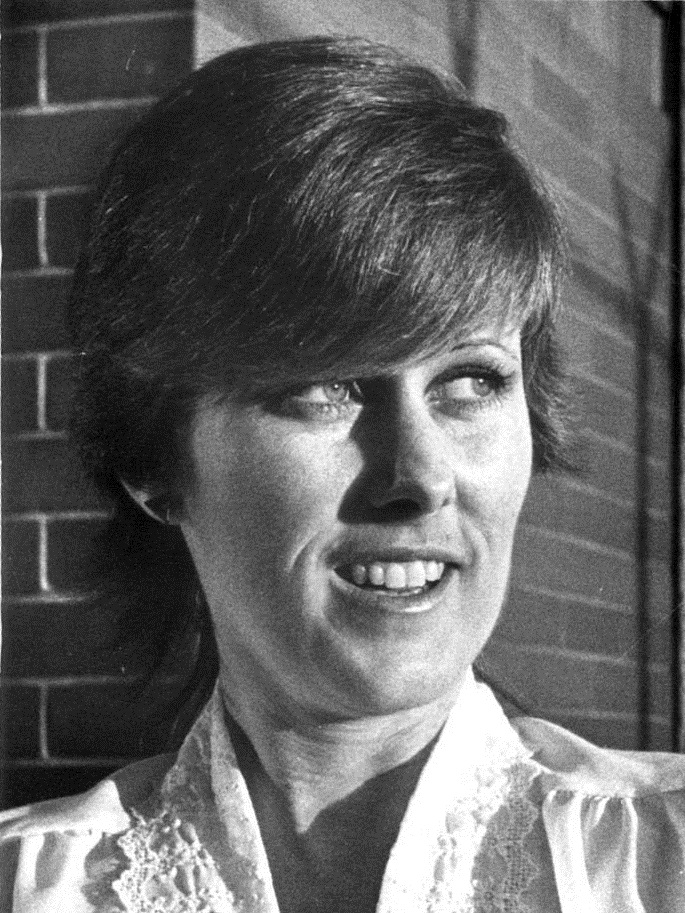
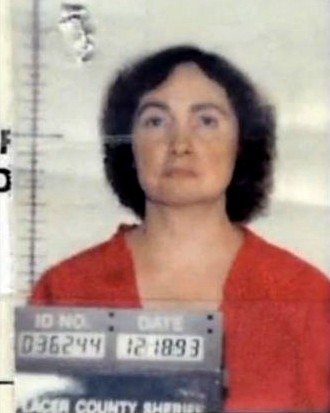
Paul Bernardo and Karla Homolka abducted, sexually assaulted, and killed teenagers Leslie Mahaffy and Kristen French in Ontario. Homolka also helped drug her younger sister Tammy, who died after being assaulted. Bernardo was convicted of murder; Homolka received a twelve-year manslaughter sentence under a plea agreement that became controversial when videotapes revealed her involvement.
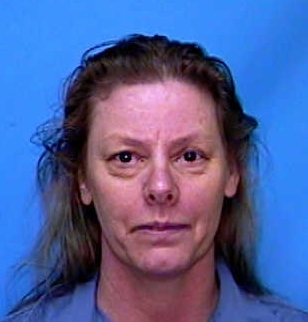
Aileen Wuornos shot and killed seven men in Florida in 1989 and 1990. She gave differing accounts of the encounters, including claims of self-defense. Convicted of six murders, she became the subject of documentaries, biographies, and the dramatized film Monster.
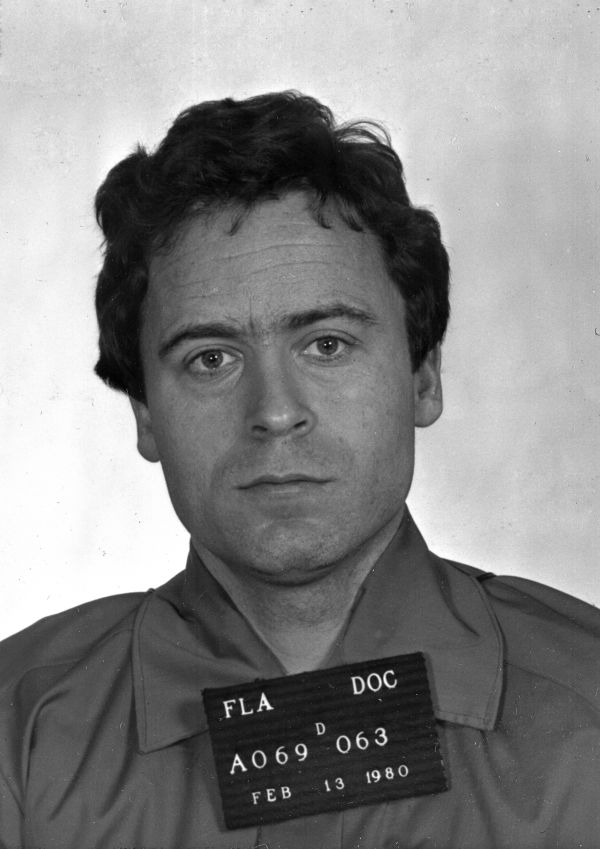
Ted Bundy abducted and murdered young women across several states during the 1970s, sometimes pretending to need help to approach them. After escaping custody, he attacked women in Florida. His trials, survivors’ accounts, and the investigation became the subjects of books and screen adaptations.
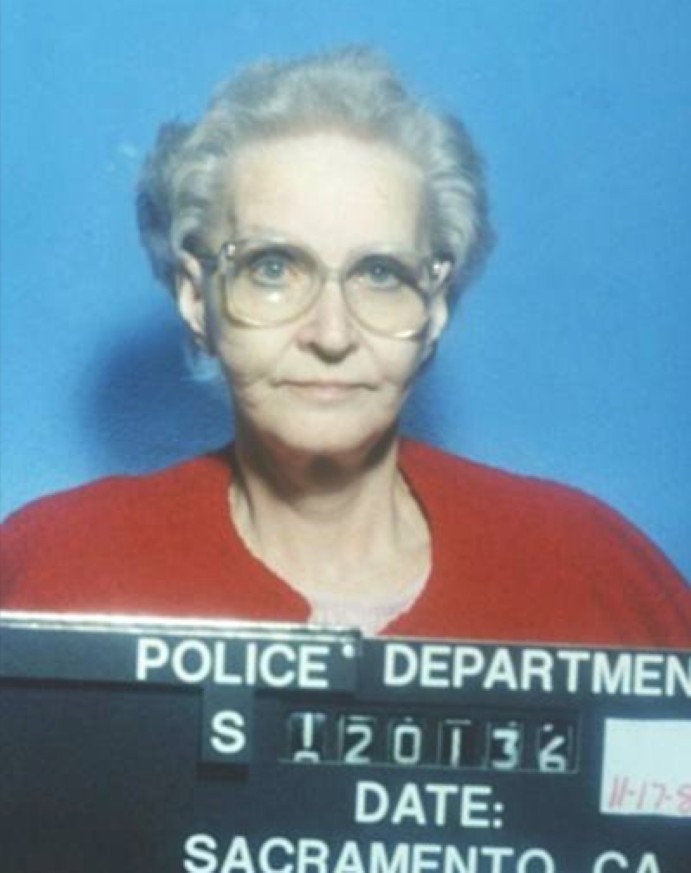
Police searching Dorothea Puente’s Sacramento boarding house in 1988 found bodies buried in the yard. Puente had been collecting benefit checks belonging to vulnerable tenants, some of whom had disappeared. The discoveries contradicted her image as a caring landlady. She was ultimately convicted of three murders.
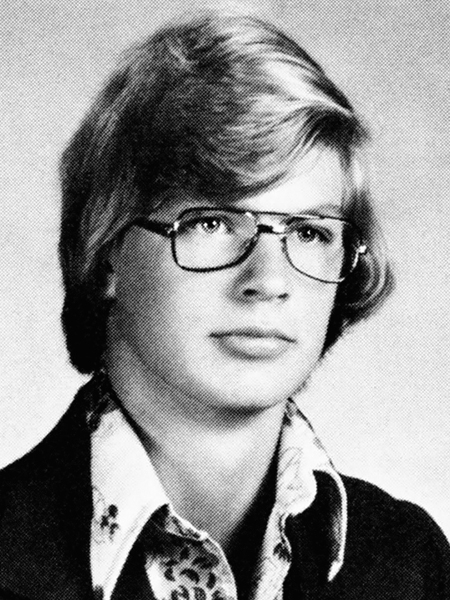
Jeffrey Dahmer murdered 17 men and boys between 1978 and 1991. When Tracy Edwards escaped his Milwaukee apartment, police discovered evidence of the killings. Reporting and documentaries have also examined missed opportunities to intervene and the experiences of victims’ families.
Blanche Taylor Moore’s husband became seriously ill with arsenic poisoning shortly after their wedding. The discovery prompted investigators to examine earlier deaths, including that of her boyfriend Raymond Reid. Moore was convicted of Reid’s murder in North Carolina. Suspicions about other deaths became part of the coverage, but were distinct from that conviction.
Dennis Rader murdered ten people in Kansas between 1974 and 1991 while maintaining a family and working life. Calling himself BTK in communications about the crimes, he resurfaced after years of silence. Investigators traced a computer disk to him before his 2005 arrest and guilty pleas.
Joseph James DeAngelo committed murders, rapes, and burglaries across California under several names used by investigators and the media. Genetic genealogy helped identify the former police officer in 2018. He pleaded guilty to 13 murders in 2020 and admitted numerous other offenses.
Karla Faye Tucker and Danny Garrett killed Jerry Dean and Deborah Thornton during a 1983 attack in Houston. Tucker was convicted of capital murder. Her later religious conversion and requests for clemency brought international attention to the case before her 1998 execution, while the victims’ families faced renewed public scrutiny of their losses.
Carole Sund, her teenage daughter Juli, and family friend Silvina Pelosso disappeared during a Yosemite-area trip in 1999 and were found murdered. The later killing of park naturalist Joie Armstrong led investigators to Cary Stayner, a motel worker. Stayner was convicted in the killings that had frightened visitors and devastated four families.
The disappearance of shopkeeper Bernice Worden in 1957 led police to Ed Gein’s Wisconsin home, where they found her remains and evidence of grave robbing. He was also linked to Mary Hogan’s death. His case inspired horror fiction, which should be distinguished from factual accounts.
Gary Ridgway killed women and girls in Washington, many of whom were vulnerable or working in the sex trade. Advances in DNA testing helped investigators arrest him in 2001. His guilty pleas resolved dozens of murders associated with the Green River investigation.
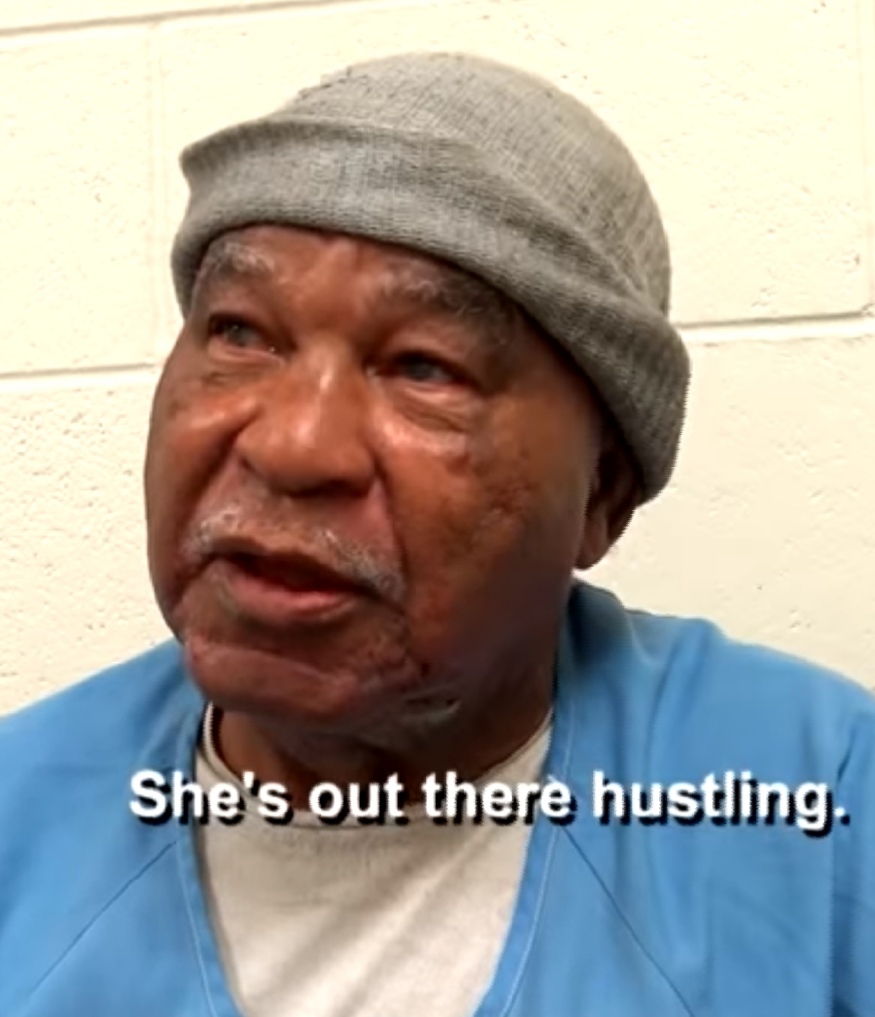
Samuel Little was convicted of three Los Angeles murders before confessing to scores of killings across the country. Investigators used his accounts and drawings to identify victims whose deaths had sometimes gone unrecognized as homicides. Confessed, corroborated, and legally proven totals are different measures.
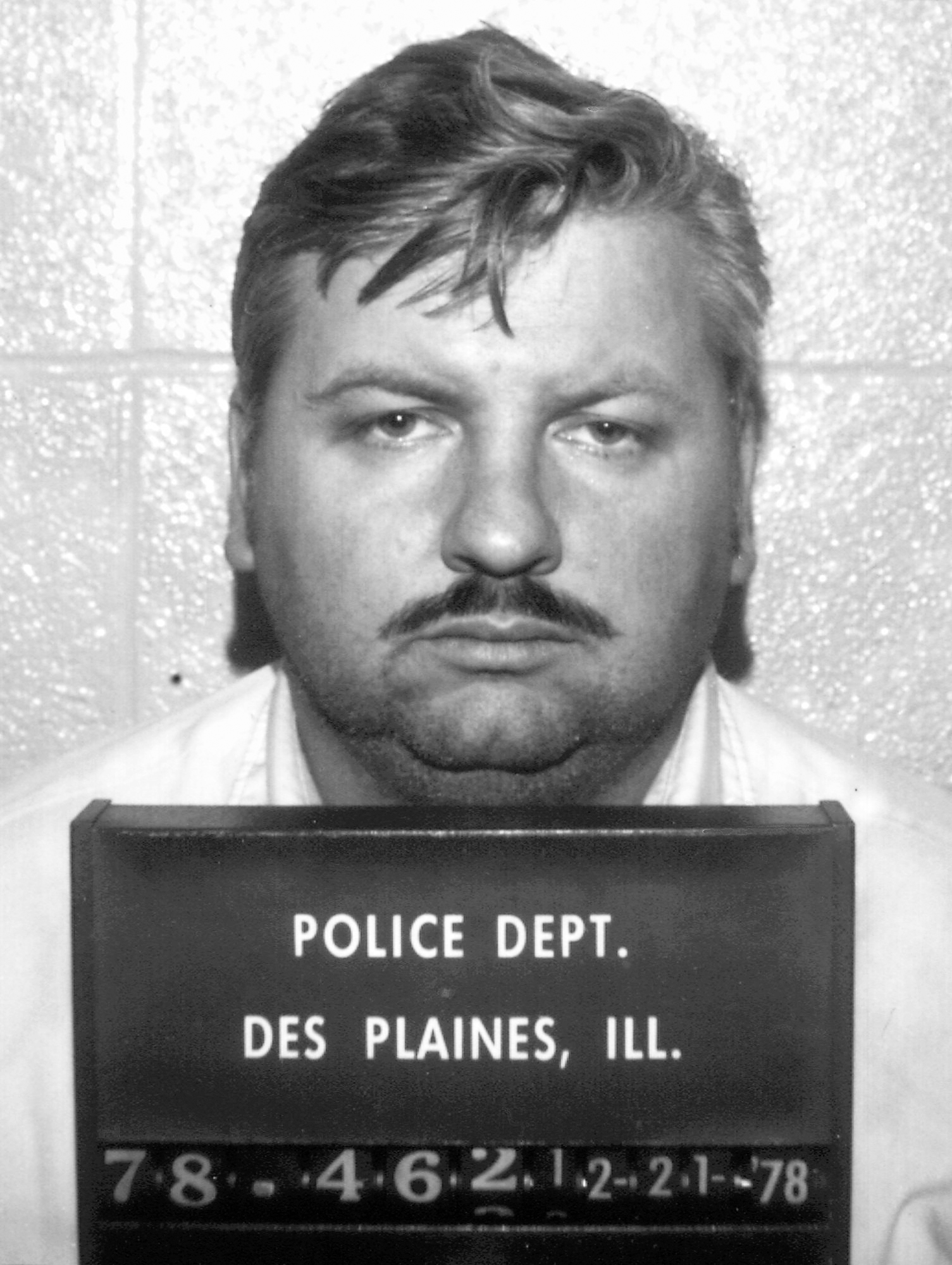
John Wayne Gacy murdered 33 boys and young men in Illinois. The disappearance of Robert Piest in 1978 led investigators to Gacy’s home, where many victims had been buried beneath the house. His respectable public persona contrasted with the crimes uncovered during the search.
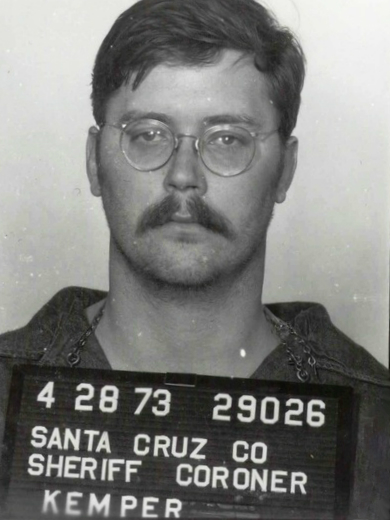
Edmund Kemper killed his grandparents as a teenager and was later released from psychiatric custody. In the early 1970s he murdered six young women, his mother, and her friend before surrendering. Interviews with him became part of later discussions of criminal profiling.
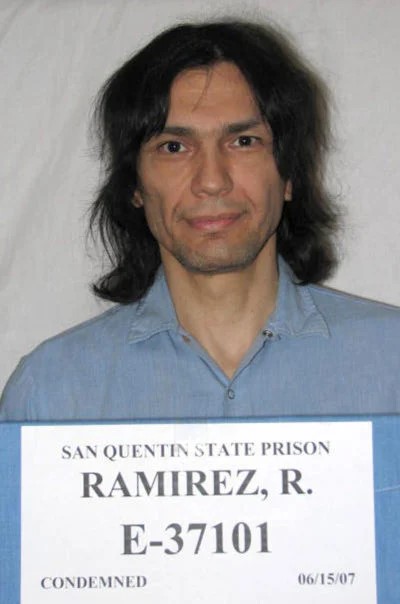
Richard Ramirez entered homes across California during a series of murders, sexual assaults, and other attacks in 1984 and 1985. Public identification helped end the manhunt. The crimes and the investigation became widely known through reporting about the Night Stalker.
Bruce Nickell and Sue Snow died after taking cyanide-laced Excedrin in Washington in 1986. Investigators determined that Bruce’s wife, Stella Nickell, poisoned him and placed tampered bottles in stores to disguise his death as part of a random product attack. Her scheme killed a second person and led to a federal conviction.
Audrey Marie Hilley poisoned her husband, Frank, with arsenic and later poisoned her daughter, Carol, who survived. Medical testing helped expose the Alabama crimes. Hilley fled while awaiting trial and lived under false identities before being caught. The case became known for both the family poisonings and the elaborate deception that followed.
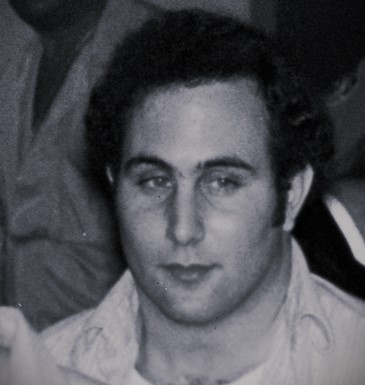
David Berkowitz killed six people and wounded others in shootings that frightened New York in 1976 and 1977. Letters using the name Son of Sam intensified the coverage. He pleaded guilty after his arrest; later media theories about accomplices go beyond those convictions.
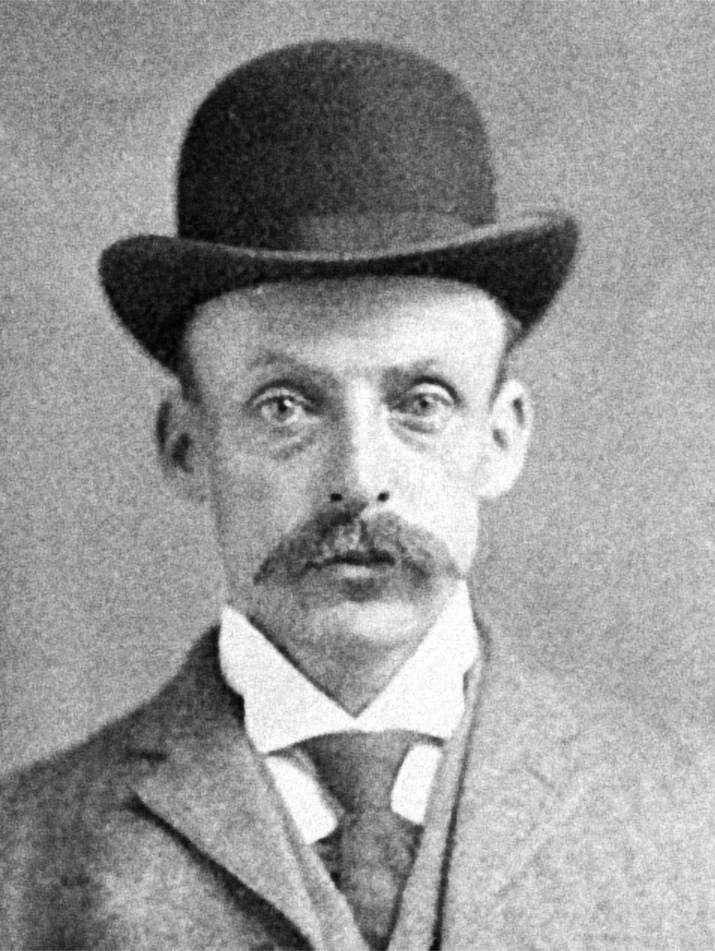
Albert Fish abducted Grace Budd after approaching her family in 1928. Years later, a letter describing her death helped investigators track him down. He was convicted of her murder; accounts of other killings include claims that were not all independently established.
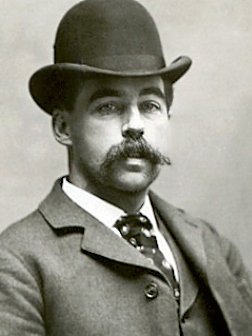
H. H. Holmes used fraud and deception while committing murders in the 1890s, including the killing of Benjamin Pitezel. Investigators also traced the deaths of Pitezel’s children to him. Sensational stories about a Chicago “murder castle” often mix documented crimes with disputed or exaggerated claims.
Richard Speck attacked a Chicago townhouse occupied by student nurses in 1966, killing eight women. Corazon Amurao survived by hiding beneath a bed and later identified him. Her testimony and the investigation brought the case to trial and national attention.
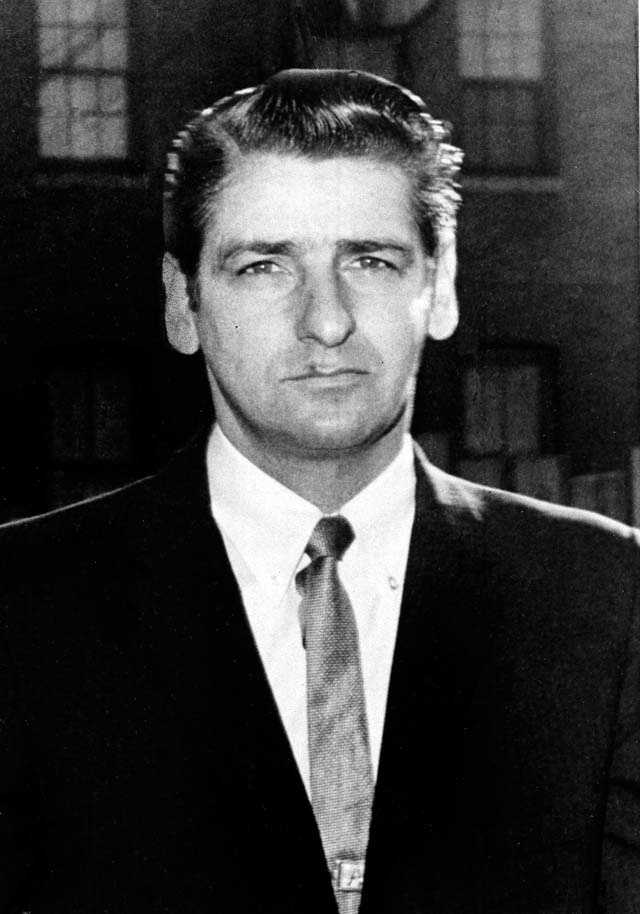
Albert DeSalvo confessed to the Boston Strangler killings but was never tried for those murders. DNA evidence later linked him to Mary Sullivan’s 1964 death. His responsibility for the other killings has remained a subject of disagreement in reporting and books.
Velma Barfield poisoned Stuart Taylor with arsenic in North Carolina in 1978. The investigation led to admissions about other deaths connected to her. Books and reporting examine the killings, her trial, and the debate surrounding her execution in 1984.
Investigators searching Betty Lou Beets’s Texas property found the remains of two of her husbands, Doyle Wayne Barker and Jimmy Don Beets, buried near the home. Prosecutors said financial gain motivated Jimmy Don’s killing. Beets was convicted of his capital murder; the discovery of both bodies turned a missing-person investigation into a widely reported case.
Judy Buenoano poisoned her husband, drowned her son, and attempted to kill a fiancé with a car bomb. Investigators connected events that had initially been treated separately. Her prosecutions in Florida led to widespread use of the media label Black Widow.
Kristen GilbertPhoto creditBOP · Public domain (U.S.). Cropped/resized.
Veterans Affairs nurse Kristen Gilbert caused medical emergencies by injecting patients with epinephrine at a Massachusetts hospital. Coworkers noticed a troubling pattern around her shifts. She was convicted in 2001 of four murders and other offenses arising from the attacks.
Morgan Harrington disappeared after a concert in 2009, and Hannah Graham disappeared after a night out in 2014. DNA and other evidence connected their Virginia murders to Jesse Matthew. He pleaded guilty in 2016, linking investigations that had initially unfolded years apart.
Nannie Doss came under suspicion after her husband Samuel died in Oklahoma in 1954. She admitted poisoning him and described other family deaths. Her cheerful manner during coverage produced the nickname Giggling Granny; reported admissions should be distinguished from the murder for which she was convicted.
Joe Metheny killed Catherine Magaziner and Kimberly Spicer in Baltimore, concealing their remains on the grounds of the pallet business where he worked. The investigation exposed violence against women living in vulnerable circumstances. His sensational claims about additional crimes attracted headlines, but those claims should not be confused with the murders established in court.
Betty Broderick entered the home of her former husband, Dan Broderick, and shot him and his new wife, Linda, as they lay in bed in 1989. The killings followed a bitter divorce and years of conflict. Her televised court proceedings divided public opinion; a jury convicted her of two counts of second-degree murder.
The disappearance of Tylee Ryan and J. J. Vallow led investigators to remains buried on Chad Daybell’s Idaho property. The investigation also encompassed the death of his wife Tammy. Lori Vallow and Daybell were convicted in separate trials arising from the killings and related conspiracies.
Lyle and Erik Menendez shot their parents, José and Kitty, in their Beverly Hills home in 1989. Their trials contrasted allegations of long-term abuse with prosecutors’ account of financial motives. Both were convicted; later proceedings and renewed coverage revisited their sentences and the evidence about abuse.
Gregg Smart was shot dead in his New Hampshire home in 1990 in what initially appeared to be a burglary. The investigation uncovered his wife Pamela’s sexual relationship with teenage student Billy Flynn and a plan involving Flynn and other teenagers. Pamela Smart was convicted for her role in arranging her husband’s murder.
Stacey Castor poisoned her husband David with antifreeze and later tried to kill her daughter Ashley while framing her for the death. Ashley survived. Investigators challenged the supposed suicide accounts, and Castor’s prosecution became the subject of a Lifetime dramatization and crime reporting.
John List killed his mother, wife, and three children in their New Jersey home in 1971, then disappeared and established a new identity. A television appeal and an age-progressed sculpture helped lead to his arrest in 1989. He was subsequently convicted of the five murders.
Maggie and Paul Murdaugh were shot and killed at the family’s South Carolina property in June 2021. Alex Murdaugh was convicted in 2023. On May 13, 2026, the South Carolina Supreme Court ordered a new trial because of improper external influence on the jury. The court’s opinion and subsequent retrial-assignment order are linked in the court-records section.
A 1995 fire at Debora Green’s Kansas home killed two of her children; another daughter escaped. Investigators determined the fire had been deliberately set and also investigated the poisoning of Green’s estranged husband. Green entered no-contest pleas to murder and attempted-murder charges in a case that exposed violence within a family of physicians.
Rozanne Gailiunas was attacked in her Texas home in 1983 and died from her injuries. Investigators eventually uncovered a murder-for-hire plot connected to Joy Aylor, whose husband had been involved with Rozanne. Aylor fled overseas before being brought back to face justice, extending the case across years and international borders.
Travis Alexander was killed in his Arizona home in 2008. Photographs recovered from a camera and changing accounts became central to the investigation of his former girlfriend Jodi Arias. She was convicted of first-degree murder after a closely watched trial in 2013.
Susan Smith told police that a carjacker had driven away with her two sons, three-year-old Michael and one-year-old Alex. After nine days of televised appeals in 1994, she admitted letting her car roll into a South Carolina lake with the boys inside. Both children drowned. She was convicted of their murders.
Jennifer Dulos vanished in Connecticut in 2019 during a contentious divorce. Her estranged husband Fotis was charged but died before trial. Michelle Troconis was convicted in 2024 of conspiring to murder Jennifer and related offenses; reporting distinguishes her trial from the untried charges against Fotis.
Kathleen Savio’s 2004 bathtub death was initially treated as an accident. Investigators reexamined it after Stacy Peterson, the next wife of former officer Drew Peterson, disappeared in 2007. Drew was convicted of Kathleen’s murder; Stacy’s disappearance is a separate, unresolved case.
Dee Dee Blanchard presented her daughter Gypsy Rose as seriously ill and dependent, concealing a history of medical abuse. In 2015, Nicholas Godejohn killed Dee Dee in a plan involving Gypsy. Both were convicted, and later media explored the abuse as well as the murder.
Laci Peterson disappeared from Modesto while pregnant in December 2002. Her remains and those of her unborn son, Conner, were recovered the following year. Her husband Scott was convicted of their murders in 2004; subsequent coverage has examined the investigation and challenges to the conviction.
Diane Downs drove her three wounded children to an Oregon hospital in 1983, claiming a stranger had shot them beside the road. Cheryl died; Christie and Danny survived serious injuries. Investigators challenged their mother’s account, and Christie testified against her. Downs was convicted of murder and the attempted murders of her surviving children.
Paula Sims reported that masked kidnappers had taken two of her infant daughters in separate incidents in 1986 and 1989. Both children were found dead. The investigation led to her conviction in Heather’s death and later admissions concerning both daughters.
Sheila Bellush was murdered in her Florida home in 1997 while her young quadruplets were there. Her teenage daughter discovered the scene. Investigators traced the hired killing to Sheila’s former husband, Allen Blackthorne, and a chain of intermediaries. The prosecution showed that the attack was an arranged murder, not a random intrusion.
Suesan and Sheila Knorr died in separate incidents in California after prolonged abuse by their mother, Theresa Knorr. Other children in the household were drawn into concealing the crimes. Their surviving sister Terry later helped bring the deaths to investigators’ attention. Theresa pleaded guilty to murdering both daughters.
Flight attendant Helle Crafts disappeared from Connecticut in 1986, and her husband Richard offered explanations for her absence. Investigators recovered tiny human remains and other evidence connected to a wood chipper. The forensic work showed that she had been killed and her body destroyed. Richard Crafts was convicted of murder.
Chris Watts killed his pregnant wife Shanann and their daughters Bella and Celeste in Colorado in 2018. He initially appeared in public appeals for their return. His guilty pleas and the discovery of the victims revealed that the disappearance story had concealed a family murder.
Barbara Stager said her husband Russ’s fatal shooting in their North Carolina bedroom in 1988 was an accident. Investigators questioned her account and examined the earlier shooting death of her first husband. Russ had recorded concerns about his safety before his death. Barbara was convicted of his murder.
Eddie Lee Sexton’s family fled Ohio for Florida while authorities were investigating abuse. In 1993, an infant in the family died, and Sexton later directed his son to kill Joel Good, the baby’s father. Prosecutors said the killing was intended to keep Good from revealing the family’s crimes and whereabouts.
A series of killings struck the extended Lynch and Newsom families in Kentucky and North Carolina in 1984 and 1985. The investigation centered on Susie Lynch and her cousin Fred Klenner amid family conflict and a custody dispute. The violence ended during a police pursuit with an explosion that also killed Lynch’s two children.
Dawn Hacheney died in a Washington house fire in 1997 that initially appeared accidental. Investigators later concluded that her husband, minister Nick Hacheney, had killed her and used the fire to conceal the crime. His affairs and claims of religious authority became part of the evidence leading to his murder conviction.
Michelle Young was killed in her North Carolina home in 2006 while pregnant, with her young daughter in the house. The investigation examined her husband Jason’s travel and conduct. He was convicted of murder in 2012 after an earlier trial ended with a hung jury.
Five of Waneta Hoyt’s children died between 1965 and 1971, with their deaths initially associated with sudden infant death syndrome. A renewed investigation produced a confession she later recanted. She was convicted in 1995, and the case prompted scrutiny of the earlier medical conclusions.
Cheryl Keeton was found dead in her van in Oregon in 1986 during a bitter dispute with former husband Bradly Cunningham. The case remained unresolved for years before investigators assembled the evidence that led to his murder conviction. Her death left three children at the center of a long struggle for answers and custody.
Eight of Marie Noe’s infants died under circumstances once attributed to unexplained natural causes. Decades later, investigators reopened the Philadelphia case and obtained admissions. Noe pleaded guilty to eight counts of second-degree murder in 1999 under an agreement that included probation and psychiatric evaluation.
James and Virginia Campbell were shot while asleep in their Houston home in 1982. Their daughter Cynthia Campbell Ray and her former boyfriend David West were implicated in the killings. West testified about their plan, and Ray was convicted. The crime revealed a murder plot originating within the victims’ own family.
Maria Marshall was shot dead at a New Jersey roadside stop in 1984. Her husband, Robert, claimed they had been attacked during a robbery. Investigators instead uncovered a plan to have Maria killed for insurance money. Robert Marshall was convicted, and the case exposed the murder plot beneath the family’s prosperous public image.
Teresa Taylor was killed by her husband, dentist Kenneth Taylor, in 1984. Her death left their infant son, Andrew, caught between relatives in a bitter custody struggle. Kenneth was convicted of murder, but the legal fight over the child continued, making the family’s ordeal a national story as well as a homicide case.
Doreen Erbert was killed at her California home on Halloween in 1984 by her former husband William Michael Dennis, who arrived in disguise. Her pregnancy also ended in the attack, while her daughter survived by hiding. Dennis was convicted in the case.
Eighteen-year-old Jennifer Levin was found strangled in New York’s Central Park in 1986. Robert Chambers, who had left a bar with her, claimed she died during a sexual encounter. He later pleaded guilty to manslaughter. The “Preppy Murder” coverage became notorious for scrutiny of Jennifer’s private life and treatment of the victim.
Sally McNeil shot her husband, bodybuilder Ray McNeil, on Valentine’s Day in 1995. She said she acted in self-defense during a violent confrontation; prosecutors argued that the killing was murder. A jury convicted her of second-degree murder. The case centered on sharply competing accounts of domestic abuse and the shooting.
Sheri Coleman and her sons Garett and Gavin were strangled in their Illinois home in 2009. Her husband Chris, a ministry security employee, had reported threatening messages. Investigators concluded the threats were staged, and he was convicted of all three murders.
Diane Borchardt recruited teenagers, including students she knew through school, to kill her husband Ruben in Wisconsin in 1994. The promised reward and the teenagers’ accounts helped reveal the plot. The case became the basis of the television drama Seduced by Madness.
Charles Stuart shot his pregnant wife, Carol, in Boston in 1989 and blamed a Black carjacker. Carol died, and their prematurely delivered baby also died. The false account triggered an aggressive police search in Black neighborhoods. Charles’s brother later exposed the plot, and Charles died by suicide as suspicion turned toward him.
Ellen Boehm killed her young sons David and Steven in St. Louis in 1988 and 1989 and also attacked her daughter, who survived. Insurance and financial evidence helped expose the pattern behind the children’s deaths. She pleaded guilty in 1992.
Retired ship’s pilot Rolf Neslund disappeared from Washington’s Lopez Island in 1980. His wife Ruth offered explanations for his absence, but investigators assembled evidence that she had killed him and disposed of his remains. She was convicted even without a recovered body, ending years of uncertainty surrounding his disappearance.
Laurie Kellogg was convicted of arranging the 1992 killing of her husband Bruce at a New York vacation property. Teenagers participated in the plot and shooting. Her account of an abusive marriage and the prosecution’s murder-for-hire case became the basis of Lies of the Heart.
Jayne Miller discovered that her husband, David, had another wife. She confronted his deception and was fatally shot in Florida in 1991. The investigation exposed his double life, including claims about secret government work. The case turned a seemingly successful marriage into a story of bigamy, fabricated identities, and murder.
Diane Staudte and her daughter Rachel used antifreeze to poison members of their Missouri family. Mark and Shaun Staudte died, while Sarah survived a later poisoning. The investigation exposed a deliberate plan behind illnesses that had initially appeared unrelated.
Kari Hunt was killed by her estranged husband in a Marshall motel room in 2013. Her daughter tried to call 911 but the telephone system required an outside-line prefix. Her family’s campaign helped change emergency dialing requirements for covered multiline phone systems.
Sixteen-year-old Adrianne Jones was murdered in Texas in 1995. Investigators eventually identified David Graham and Diane Zamora, whose promising military-academy futures made the case national news. Prosecutors described jealousy and a plan to eliminate a perceived romantic rival. Both were convicted of murder.
Charles Starkweather killed eleven people during a series of attacks ending in 1958. Fourteen-year-old Caril Ann Fugate accompanied him during much of the violence and was convicted as an accomplice. She maintained that she had been held hostage, a dispute explored in later accounts.
Bobby Kent was lured to a secluded area in Florida and murdered in 1993 by a group of young people who knew him. Accounts of bullying and abuse within the group became central to the case. The investigation exposed how conversations about stopping Kent escalated into a coordinated plan to kill him.
Seventeen-year-old Gary Lauwers was killed in the woods in Northport, New York, in 1984. Ricky Kasso was arrested, and accounts connected the attack to a dispute within a drug-using teenage group. Reports of occult references fueled a national “Satanic panic.” Kasso died by suicide before his case could go to trial.
Sixteen-year-old Laurie Show was attacked and killed in her Pennsylvania home in 1991. Investigators uncovered hostility and harassment connected to a teenage relationship. Lisa Michelle Lambert and Tabitha Buck were convicted of murder. The case later generated extensive litigation over the evidence and the conduct of the investigation.
Michelle Carter encouraged Conrad Roy to take his own life through messages and conversations before his death in 2014. Her involuntary-manslaughter trial raised questions about responsibility for conduct carried out through a phone. Documentaries and dramatizations revisit the messages and the court’s reasoning.
Twelve-year-old Shanda Sharer was abducted, tortured, and killed by four teenage girls in Indiana in January 1992. Melinda Loveless directed the attack amid jealousy over a relationship. The girls set Shanda on fire after hours of abuse. All four were prosecuted, and the killing drew national attention to extreme violence among teenagers.
Skylar Neese left her West Virginia home with friends Rachel Shoaf and Shelia Eddy in 2012 and did not return. Investigators eventually learned the two had killed her in Pennsylvania. Their guilty pleas exposed a planned murder behind months of misleading accounts about her disappearance.
Teacher Mary Kay Letourneau sexually abused her student Vili Fualaau when he was a child. Her 1997 conviction and violation of a no-contact order drew extensive coverage. Later accounts examine the abuse, the children they had, and their eventual adult marriage without erasing his age when it began.
Vidar and Delfina Lillelid and their daughter Tabitha were killed during a 1997 carjacking in Tennessee. Their young son Peter survived being shot. Six teenagers traveling together were prosecuted, and the case generated continuing questions about their individual roles and sentences.
Seventeen-year-old Amy Fisher went to Mary Jo Buttafuoco’s Long Island home in 1992 and shot her in the head. Fisher had been involved with Mary Jo’s husband, Joey. Mary Jo survived, and the assault became an intensely covered tabloid story. Fisher pleaded guilty to attempted murder; the publicity often overshadowed the victim’s recovery.
Brandon Teena, Lisa Lambert, and Philip DeVine were killed in a Nebraska farmhouse in 1993. Brandon had reported a sexual assault by John Lotter and Tom Nissen before the murders. Both men were convicted in connection with the killings. The case drew attention to anti-transgender violence and the authorities’ treatment of Brandon’s assault report.
Fourteen-year-old Cinnamon Brown shot her stepmother, Linda, in California in 1985 and initially took responsibility. Investigators later uncovered a plot directed by Cinnamon’s father, David Brown, who stood to benefit financially. The case revealed how he manipulated his daughter into killing and accepting the blame, leading to further convictions.
Seventeen-year-old Michele “Missy” Avila was lured into the Angeles National Forest and drowned in 1985. Her friends Karen Severson and Laura Doyle were eventually convicted of killing her. The case was especially disturbing because the killers remained close to Missy’s grieving family while the crime was still being investigated.
Seventeen-year-old Mackenzie Shirilla drove into a brick building in Strongsville, Ohio, on July 31, 2022, killing her boyfriend Dominic Russo and their friend Davion Flanagan. She survived. After examining video and other evidence, a judge found that she had deliberately caused the crash and convicted her of murder in 2023.
Cassie Jo Stoddart was killed while house-sitting in Idaho in 2006. Classmates Brian Draper and Torey Adamcik had recorded their plans and discussed horror films before the attack. Both were convicted of murder, and the recordings became central to later accounts.
Sixteen-year-old Brenda Spencer fired at an elementary school from her San Diego home in 1979, killing two staff members and injuring children and a police officer. Her remark about disliking Mondays became notorious. The victims’ experiences form an essential part of the case beyond that phrase.
Sarah Stern disappeared from New Jersey in 2016, and her car was left near a bridge. Investigators learned that Liam McAtasney had killed her for money and that Preston Taylor helped conceal the crime. A secretly recorded conversation became important evidence at trial.
Fifteen-year-old Seath Jackson was lured to a Florida house in 2011 and killed by a group that included people he knew. The effort to conceal his remains did not prevent arrests. The case produced multiple prosecutions involving teenagers and young adults.
Colleen Slemmer was killed in Knoxville in 1995 after being lured away by fellow Job Corps participants. Christa Pike and Tadaryl Shipp were convicted of murder, while Shadolla Peterson pleaded guilty as an accessory. Coverage often focuses on Pike’s age and the cruelty of the attack.
Sixteen-year-old Emma Walker was killed by a shot fired through her bedroom wall in Tennessee in 2016. Her former boyfriend Riley Gaul was prosecuted after investigators examined his conduct before and after the shooting. He was convicted of first-degree murder.
Jennifer Ertman and Elizabeth Peña were attacked and murdered while taking a shortcut home in Houston in 1993. A group of gang members participated in the crimes. Their deaths led to multiple trials and years of reporting about the victims and the defendants’ sentences.
Amy Bishop opened fire during a faculty meeting at the University of Alabama in Huntsville in 2010, killing three colleagues and injuring three others. The attack followed a tenure dispute. She pleaded guilty, and reporting also revisited an earlier shooting involving her brother.
Rachel Wade stabbed Sarah Ludemann during a confrontation in Florida in 2009. Their conflict over a boyfriend had escalated through messages and threats. Wade was convicted of second-degree murder in a case widely described through its social-media rivalry.
Laurie Dann entered an elementary school in Winnetka, Illinois, in 1988 and opened fire, killing eight-year-old Nicholas Corwin and wounding other children. The shooting was part of a day of violence that also involved fires and poisoned food. Dann later died by suicide, leaving investigators and families to reconstruct the warning signs and attacks.
Fifteen-year-old Kirsten Costas was stabbed to death by schoolmate Bernadette Protti in Orinda, California, in 1984. The attack followed an evening outing and months of resentment over social acceptance. Protti’s involvement emerged after a lengthy investigation. The killing brought national attention to teenage jealousy, status, and violence in an affluent community.
Wanda Holloway tried to arrange the killing of the mother of a girl competing with her daughter for a cheerleading position. She believed the death would keep the rival out of competition. The man she approached contacted authorities, and recordings exposed the 1991 Texas plot before anyone was killed.
Alan and Diane Johnson were shot in their Idaho home in 2003. Their teenage daughter Sarah was convicted after an investigation involving physical evidence and conflict over her relationship with an older boyfriend. Her denials and later legal challenges have also received coverage.
Seven-year-old Megan Kanka was sexually assaulted and murdered by her neighbor Jesse Timmendequas in July 1994. Her parents’ campaign for community notification about convicted sex offenders led to state legislation and a federal law bearing her name.
Nineteen-year-old Jeanne Clery was sexually assaulted and murdered in her Lehigh University dormitory in 1986. Her parents challenged campus security practices and the lack of public crime information. Their advocacy helped establish national campus-safety disclosure requirements.
Nine-year-old Jessica Lunsford was abducted from her home and murdered in 2005. John Couey was convicted in 2007. Her father Mark campaigned for stronger child-protection measures, and Florida enacted legislation bearing Jessica’s name.
Ariel Castro abducted Michelle Knight, Amanda Berry, and Gina DeJesus in Cleveland and held them for years inside his house. Berry’s escape in 2013 led to the rescue of the other women and her daughter. Their accounts describe both captivity and life after rescue.
Colleen Stan was abducted while hitchhiking in 1977 by Cameron and Janice Hooker. She endured seven years of captivity, threats, and abuse before escaping. Books and screen adaptations examine how coercion helped keep her trapped even when she was sometimes outside the house.
Tanya Kach disappeared at 14 in 1996 and spent ten years under the control of school security guard Thomas Hose. In 2006 she disclosed her identity and was reunited with her family. Her memoir and a Lifetime dramatization describe the coercion behind the prolonged disappearance.
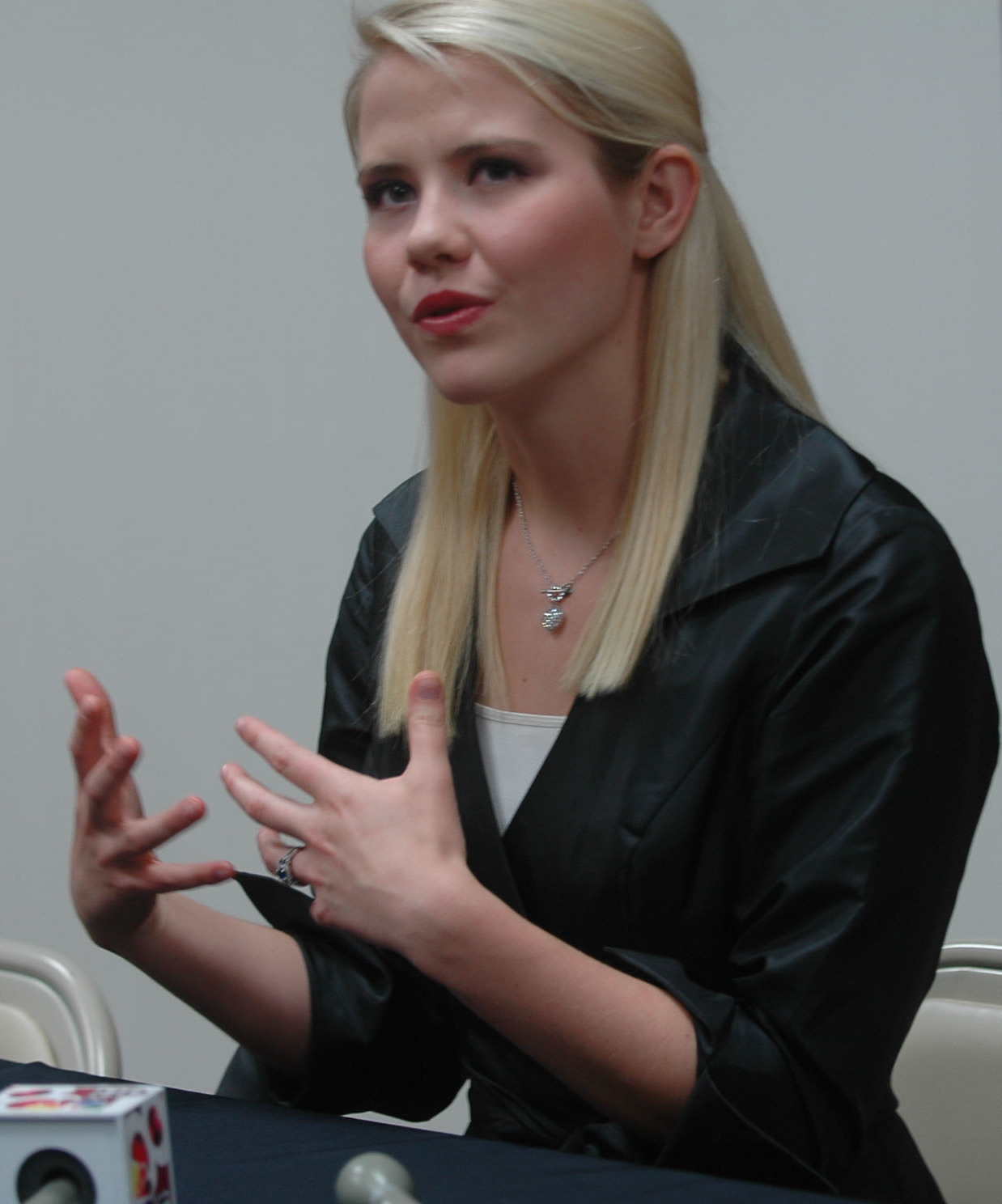
Elizabeth Smart was abducted from her Utah bedroom at age 14 in 2002. Brian David Mitchell and Wanda Barzee held her captive for nine months before she was found. Her own books and interviews describe surviving the abuse and rebuilding her life.
Lisa McVey survived an abduction and assault by Bobby Joe Long in Florida in 1984. After her release, her detailed observations helped investigators identify him. Her account and the Lifetime film Believe Me emphasize both her survival and the importance of being believed.
Steven Stayner was abducted at seven by Kenneth Parnell in 1972 and held for more than seven years. In 1980 he escaped with another kidnapped child, Timmy White, and sought help. His return and the difficulties afterward inspired I Know My First Name Is Steven.
Jaycee Dugard was abducted at age eleven on her way to school in California in 1991. Phillip and Nancy Garrido held her captive for eighteen years, during which she gave birth to two daughters. Her discovery in 2009 exposed both the long confinement and missed opportunities to uncover it.
Fourteen-year-old Elizabeth Shoaf was abducted in South Carolina in 2006 by Vinson Filyaw, who posed as a police officer. While held in an underground enclosure, she obtained access to his phone and contacted her family. Her messages helped bring about her rescue.
Family acquaintance Robert Berchtold abducted Jan Broberg twice during the 1970s. He manipulated Jan and her parents, using threats and elaborate stories to conceal sexual abuse. Her family’s accounts and later documentaries examine the grooming that allowed the abuse to continue.
Actress Theresa Saldana survived a stalker’s stabbing attack in Los Angeles in 1982 after a passerby intervened. Arthur Jackson was convicted. Saldana later wrote about the experience and advocated for crime victims, including through a television dramatization in which she portrayed herself.
Nine-year-old Katie Beers was abducted by family acquaintance John Esposito on Long Island in 1992. He imprisoned her in an underground space beneath his property while a search was underway. She was rescued after seventeen days. Her survival exposed the hidden confinement and the abuse and neglect she had already endured.
Jennifer Asbenson escaped after being abducted and attacked by Andrew Urdiales in Southern California in 1992. Her account later helped identify him as the man who had held her. Memoir and screen treatments describe the escape and the difficulties she faced afterward.
Lorena Bobbitt severed her husband John’s penis in Virginia in 1993 and described years of abuse during the ensuing proceedings. She was acquitted by reason of temporary insanity. The heavily sensationalized coverage later became the subject of documentaries examining domestic violence and media treatment.
After years of domestic violence, Francine Hughes set fire to the bed where her former husband, James Hughes, was sleeping in their Michigan home. She took her children out of the house and surrendered to police. Her 1977 trial ended in an acquittal by reason of temporary insanity and drew national attention to battered women’s experiences.
Tracey Thurman survived a severe attack by her husband in Connecticut in 1983 after seeking police protection. Her civil lawsuit challenged the police response to domestic violence and resulted in a landmark verdict. A Cry for Help dramatizes her experience and fight for accountability.
Shawn Hornbeck was abducted in Missouri in 2002. Four years later, the investigation into Ben Ownby’s abduction led police to Michael Devlin’s apartment, where both boys were found in January 2007. The rescue connected two missing-child cases that had initially seemed unrelated.
Twenty-two-year-old Stephanie Roper was abducted and murdered in Maryland in 1982. Her parents’ experience of the criminal proceedings led them to campaign for a voice for victims and families in court. Their work grew into the Maryland Crime Victims’ Resource Center.
Six-year-old Adam Walsh disappeared from a department store in Hollywood, Florida, in 1981 and was found murdered. His parents, John and Revé Walsh, became advocates for missing children. The case became the subject of the television drama Adam and John Walsh’s memoir.
The Zodiac attacked people in Northern California in the late 1960s and sent threatening letters and ciphers to newspapers. Five deaths are commonly attributed to the confirmed attacks. The killer’s identity remains unresolved, despite decades of suspects, books, films, and amateur investigations.
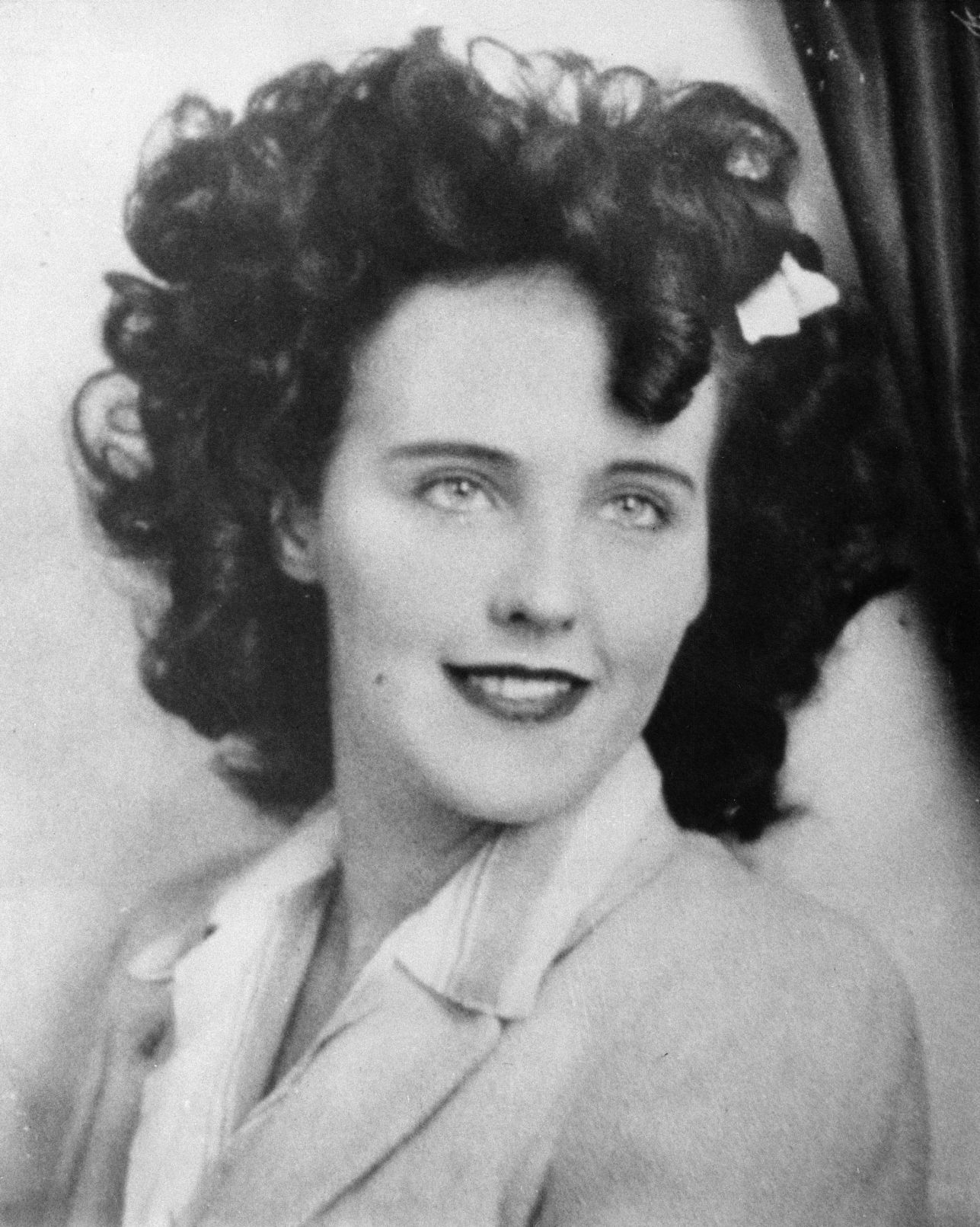
Elizabeth Short’s body was found in Los Angeles in January 1947. Newspapers called her the Black Dahlia, and the unsolved killing generated decades of theories and fictional treatments. No later book’s proposed suspect should be treated as an officially established killer.
Sherri Rasmussen was killed in her Los Angeles home in 1986. Investigators initially treated the attack as a burglary, but preserved DNA evidence eventually pointed to police detective Stephanie Lazarus, a former girlfriend of Rasmussen’s husband. Lazarus was arrested more than two decades after the crime and convicted of murder.
Maura Murray disappeared after a car crash in New Hampshire in February 2004, before police reached the scene. The uncertain timeline and absence of a confirmed explanation have generated extensive coverage. Podcast and book theories remain theories rather than a resolution of the case.
Susan Cox Powell disappeared from Utah in December 2009. Her husband Josh said he had taken their young sons camping that night, but he was never tried over her disappearance. In 2012 he killed the boys and himself, leaving major questions about Susan unanswered.
Sixteen-year-olds Ashley Freeman and Lauria Bible disappeared after a fire at the Freeman family’s Oklahoma home in 1999. Ashley’s parents, Danny and Kathy, had been killed, and the girls were missing from the scene. The investigation became a prolonged search for the teenagers alongside efforts to establish who carried out the killings.
Washington intern Chandra Levy disappeared in 2001, and her remains were found in a park the next year. Public attention initially centered on her relationship with a congressman. Another man’s murder conviction was later overturned and the charges dropped, leaving the killing unresolved.
Six-year-old JonBenét Ramsey was found dead in her family’s Boulder home in December 1996 after a ransom note was discovered. The investigation and public speculation placed her family under intense scrutiny. The killing remains unresolved; media allegations are not findings of guilt.
Former Washington state trooper Ronda Reynolds was found shot in her home in 1998. Authorities initially treated her death as suicide, but her mother challenged that conclusion and pressed for further investigation. Conflicting evidence and later proceedings made the manner of death a prolonged public controversy rather than a straightforward, resolved murder case.
Nineteen-year-old college student Kristin Smart disappeared after a party in San Luis Obispo in 1996. Paul Flores, who had walked with her that night, remained central to the investigation for years. He was convicted of her murder in 2022, following renewed scrutiny of evidence and a long campaign by Kristin’s family.
Television news anchor Jodi Huisentruit disappeared outside her Mason City, Iowa, apartment in 1995 while preparing to leave for work. Personal items near her car suggested a struggle. Her unexplained disappearance generated decades of reporting and appeals for information, with no established account of who took her or what happened afterward.
Sixteen-year-old Molly Bish disappeared from her Massachusetts lifeguard job in 2000. Her remains were discovered in 2003. The investigation has considered multiple leads, but the case remains unresolved; media discussion of suspects does not establish responsibility for her death.
Indiana University student Lauren Spierer disappeared after a night out in Bloomington in June 2011. Investigators reconstructed her movements, but no account has established what happened to her. Books, podcasts, and reporting revisit the timeline and her family’s continuing search for answers.
Ten-year-old Amy Mihaljevic was persuaded by a caller to meet him at an Ohio shopping center in 1989, supposedly to help buy a gift for her mother. She disappeared, and her body was found months later. The deceptive phone call became a central clue in the investigation into her abduction and murder.
Twelve-year-old Brenda Gere disappeared from her family’s Washington home in September 1985. The search devastated her parents and drew investigators toward Michael Kay Green, a man with a history of violence. The case followed the family’s struggle to learn what had happened after an ordinary afternoon became their daughter’s disappearance.
Eleven-year-old Jacob Wetterling was abducted while returning from a store with his brother and a friend in 1989. In 2016, Danny Heinrich admitted abducting and killing him and led investigators to his remains. The admission came through a federal plea agreement, rather than a murder conviction.
Sherrill Levitt, her daughter Suzie Streeter, and Suzie’s friend Stacy McCall vanished from a Springfield, Missouri, home in 1992 after graduation celebrations. Their cars and personal belongings were left behind. With no clear explanation for all three women’s disappearance, the case became one of the region’s most closely followed mysteries.
Jennifer Kesse disappeared from Orlando in January 2006. Her car was found elsewhere, and surveillance captured a person whose face was obscured by a fence. Her family’s search and efforts to obtain investigative records have become central to coverage of the unresolved disappearance.
Alexis Murphy disappeared in Virginia in 2013 after being recorded at a gas station. Surveillance and physical evidence led to Randy Taylor’s conviction for her murder in 2014. Her remains were recovered years later, bringing an answer about her whereabouts to her family.
Brianna Maitland disappeared after leaving work in Vermont in March 2004. Her car was found backed into an abandoned building, but she was gone. Her family and investigators have continued seeking information, while documentaries and podcasts revisit the circumstances without an established solution.
Nine-year-old Amber Hagerman was abducted while riding her bicycle in Arlington, Texas, in January 1996 and was found murdered. Her case inspired a local broadcast-alert effort that grew into the AMBER Alert system for abducted children.
Retired television executive Steven Beard was shot in his Texas home in 1999 and later died from complications. Investigators uncovered a plot involving his wife, Celeste, and Tracey Tarlton, who fired the shot. Tarlton testified against Celeste, and the prosecution argued that the killing was arranged for financial gain.
Wealthy New York homeowner Irene Silverman disappeared in 1998. Sante Kimes and her son Kenneth had targeted her property through an elaborate fraud scheme. They were convicted of her murder and related crimes even though her body had not been recovered. The investigation revealed plans to take control of her home using forged documents.
Herb and Bonnie Clutter and their children Nancy and Kenyon were murdered at home in Kansas in 1959. Richard Hickock and Perry Smith had gone there expecting to find money. Their convictions and Truman Capote’s In Cold Blood made the case a landmark in crime writing.
Lieth von Stein was killed and his wife, Bonnie, seriously wounded in their North Carolina home in 1988. Investigators traced the attack to a plan involving Bonnie’s son, Chris Pritchard, and accomplices. Money and inheritance were central to the prosecution. Coverage also focused on the young defendants’ social circle and role-playing interests.
Robert Durst became the focus of investigations involving his missing wife Kathie, his friend Susan Berman, and neighbor Morris Black. He was acquitted in Black’s death after claiming self-defense, but convicted of Berman’s murder in 2021. The Jinx brought renewed attention to the overlapping cases.
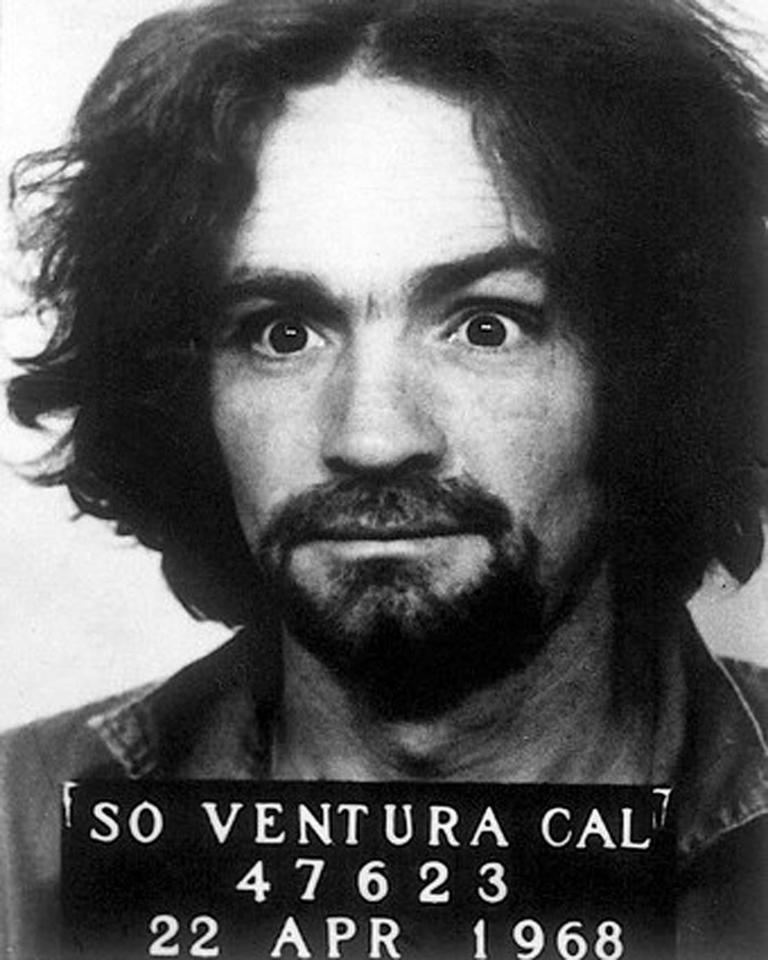
In August 1969, followers of Charles Manson murdered Sharon Tate and others at her home, then killed Leno and Rosemary LaBianca the following night. Manson and several followers were convicted. The extensive media coverage often examines how he directed and controlled the group.
Anne Marie Fahey disappeared after dinner with lawyer Thomas Capano in 1996. Investigators uncovered their relationship and evidence that Capano had killed her and disposed of her body at sea. His brother’s testimony helped reconstruct the disposal. Capano was convicted of murder in a case that drew intense attention to Delaware’s political and legal circles.
Sherri Papini claimed she had been kidnapped in California in 2016 and blamed two Latina women. Investigators later determined she had stayed with a former boyfriend. She pleaded guilty in 2022 to mail fraud and making false statements, after years of public concern over the supposed abduction.
Singer Selena Quintanilla-Pérez was shot by former fan-club president Yolanda Saldívar in 1995 during a dispute involving their business relationship. Saldívar was convicted of murder. Biographical films and reporting also document Selena’s career and the impact of her death on fans and family.
Dale and Glee Ewell and their daughter Tiffany were shot dead in their California home in 1992. Their surviving son, Dana, stood to inherit the family fortune. Investigators uncovered a murder plot involving Dana and a friend, and both were convicted. The apparent family tragedy became a case about a son arranging his relatives’ deaths for money.
Dorothy Stratten, a model and actress beginning a film career, was killed in 1980 by her estranged husband Paul Snider, who then killed himself. Books, reporting, and dramatizations have examined his controlling behavior and the pressures surrounding her rise to fame.
Regina Hartwell was murdered in Austin in 1995, and her body was left in a burned vehicle. The investigation connected her death to Justin Thomas and a circle involving drugs, money, and complicated personal relationships. Thomas was convicted of murder, while testimony exposed the events leading to the killing and its concealment.
Michigan college student Tina Biggar disappeared in 1995 while keeping her work as an escort secret from people close to her. Investigators discovered that she had been murdered. The search exposed the hidden part of her life and the circumstances that brought her into contact with her killer, devastating her family and friends.
Actress Rebecca Schaeffer was shot at her Los Angeles door in 1989 by stalker Robert Bardo. He had obtained her address through a private investigator. Her death drew attention to access to personal records and became a prominent case in the campaign for stronger anti-stalking protections.
Lana Clarkson died from a gunshot at music producer Phil Spector’s home in 2003. After an initial trial ended without a verdict, Spector was convicted of second-degree murder in 2009. Reporting and films examine the evidence and the power imbalance surrounding the case.
Detroit psychologist Alan Canty disappeared in 1985 while concealing a second life from his wife. Investigators uncovered his involvement with a young woman and her violent associate, John “Lucky” Fry. Canty had been murdered, and the discovery forced his family to confront both the killing and the deception that preceded it.
Two-year-old Caylee Anthony disappeared in Florida in 2008, and her remains were found months later. Her mother Casey’s false statements drew intense scrutiny. In 2011, a jury acquitted Casey of murder and the other major charges, while convicting her of lying to investigators.
Christine Schultz was killed in her Milwaukee home in 1981. Laurie Bembenek, who had married Schultz’s former husband, was convicted of the murder but disputed the evidence. Her 1990 prison escape and capture in Canada fueled national coverage. Later proceedings produced a no-contest plea to a reduced murder charge, rather than an exoneration.
Kathryn Eastburn and her daughters Kara and Erin were killed in North Carolina in 1985; another daughter survived. Timothy Hennis was first convicted, then acquitted at a retrial. Later DNA evidence led to a military prosecution and another conviction, making the case unusual for its sequence of civilian and military trials.
Derek and Nancy Haysom were stabbed to death in their Virginia home in 1985. Their daughter Elizabeth and her boyfriend Jens Soering fled abroad before being arrested. Elizabeth pleaded guilty as an accessory, and Soering was convicted of murder. His later challenges to the case fueled a long-running dispute over responsibility and evidence.
Fifteen-year-old Martha Moxley was killed with a golf club in Connecticut in 1975. Michael Skakel was convicted decades later, but his conviction was overturned and the charge eventually dismissed. The case’s books and documentaries span different stages of that changing legal history.
Six-year-old Devon and five-year-old Damon Routier were stabbed to death in their Texas home in 1996. Their injured mother, Darlie, said an intruder had attacked them. Prosecutors rejected that account, and she was convicted of Damon’s murder. Disputes over the physical evidence and interpretation of her behavior sustained public debate about the case.
Colette MacDonald and her daughters Kimberly and Kristen were killed at Fort Bragg in 1970. Jeffrey MacDonald said intruders attacked the family, but he was convicted of the murders in 1979. Books and television accounts take sharply different positions on the evidence.
The killings and disappearances of Black children and young adults shook Atlanta from 1979 to 1981. Wayne Williams was convicted of murdering two adults; authorities attributed other deaths to him without separate trials. Families, journalists, and filmmakers have continued to question aspects of the investigation.
Damien EcholsPhoto creditLarry D. Moore · CC BY 4.0. Cropped/resized. Adaptations use the same license.
Stevie Branch, Michael Moore, and Christopher Byers were murdered in Arkansas in 1993. Three teenagers were convicted amid disputed evidence and allegations of satanic activity. In 2011 they entered Alford pleas and were released; that outcome was not an exoneration.
Nicole Brown Simpson and Ron Goldman were stabbed to death in Los Angeles in 1994. O. J. Simpson was acquitted in the criminal trial and later found liable for their deaths in a civil case. Books and documentaries examine the evidence, the proceedings, and their different outcomes.
Kathleen Peterson was found dead at the bottom of a staircase in 2001. Her husband Michael’s murder conviction was followed by a new-trial order and, in 2017, an Alford plea to manslaughter. He maintained his innocence while accepting the plea’s legal consequences.
Andrew and Abby Borden were killed with a hatchet in their Fall River home in 1892. Andrew’s daughter Lizzie was tried and acquitted the following year. The case remains unresolved; later books and films offer competing interpretations rather than an established identification of the killer.
Steven Avery was exonerated of an earlier sexual-assault conviction before being convicted of Teresa Halbach’s 2005 murder. His nephew Brendan Dassey was also convicted. Making a Murderer brought international attention to disputed evidence and Dassey’s interrogation, while the convictions remained the subject of legal challenges.
Five teenagers were wrongly convicted after the 1989 assault of jogger Trisha Meili in Central Park. Their convictions were vacated in 2002 after another man confessed and DNA supported his account. Documentary and dramatic treatments examine the interrogations, racialized coverage, and consequences for the five.
Brenda Sue Schaefer disappeared in Kentucky in 1988. Mel Ignatow was acquitted of her murder, but photographs discovered afterward showed the crime and corroborated an accomplice’s account. Double-jeopardy protections prevented another murder trial. The case became notorious for the gap between later evidence of guilt and the finality of an acquittal.
Betty Gore was killed with an axe in her Texas home in 1980. Candy Montgomery, who had had an affair with Betty’s husband, admitted the killing but said she acted in self-defense. A jury acquitted her. The contrast between suburban family life and the violence brought extraordinary attention to the trial.
Kenneth Waters was wrongly convicted of killing Katharina Brow in Massachusetts. His sister Betty Anne became a lawyer while working to overturn the conviction. DNA testing helped establish his innocence in 2001, and their campaign became the basis of the film Conviction.
Carol Montecalvo was killed in California in 1988. Her husband Dan said burglars had attacked them, but investigators accused him of murdering her for financial gain, and he was convicted. A later burglary confession raised questions about the case; prosecutors rejected that account, leaving sharply conflicting versions of what happened.
Unable to afford a lawyer, Clarence Earl Gideon defended himself against a Florida felony charge. His handwritten challenge reached the Supreme Court, which ruled that the constitutional right to counsel applies to indigent defendants in state felony prosecutions. He was acquitted at his retrial with a lawyer.
High-school football player Brian Banks lost years of his life after a wrongful conviction. New evidence and assistance from the California Innocence Project led to his exoneration. His memoir and the film follow the struggle to clear his name and rebuild a future.
Security guard Richard Jewell spotted a suspicious backpack at Centennial Olympic Park and helped move people away before a bomb exploded. He then became the focus of an investigation and intense media suspicion, though he was never charged. The Suspect examines the evidence and the damage caused by the rush to judgment.
Nine Black teenagers were accused of rape after a confrontation aboard a freight train in Alabama. Rushed trials, inadequate representation and racial exclusion from juries turned the prosecutions into a national struggle over justice. Supreme Court decisions arising from the cases addressed counsel and jury discrimination.
Walter McMillian was sentenced to death for a murder he did not commit. Bryan Stevenson and his colleagues challenged the prosecution’s evidence and helped secure his release. Just Mercy follows that case within Stevenson’s wider work defending people facing wrongful convictions and extreme punishment.
Forty-nine-year-old James Byrd Jr. was murdered in Jasper, Texas, in June 1998 after three white men chained him to a pickup truck and dragged him along a road. The killing and subsequent trials exposed racial divisions and helped spur hate-crime reforms.
Twenty-one-year-old Matthew Shepard was attacked near Laramie in October 1998 and died from his injuries. His killing became a focus of national debate about anti-gay violence. His family’s advocacy helped build support for a federal hate-crime law named for him and James Byrd Jr.
Patients, families, clinicians and investigators confronted a growing opioid crisis as prescription painkillers spread through communities. Beth Macy’s reporting follows the human consequences and the practices of the pharmaceutical industry. Dopesick dramatizes the history through a mixture of real events and composite characters.
Diagnosed with AIDS at 13 in 1984 after receiving contaminated blood products for hemophilia, Ryan White faced exclusion from school and widespread fear of HIV. His effort to return to the classroom made him a national advocate against stigma. He died in 1990; the federal HIV care program named for him began that year.
People confronting AIDS organized protests, studied medical research and challenged government agencies over access to treatment. ACT UP and the Treatment Action Group helped reshape relationships between patients, researchers and regulators. How to Survive a Plague follows activists through illness, disagreement, loss and scientific progress.
Pathologist Bennet Omalu examined the brain of former professional football player Mike Webster and helped bring attention to chronic traumatic encephalopathy in football. His findings and the resistance surrounding them became the subject of reporting and the film Concussion. The story explores sports, medical evidence and institutional responsibility.
Cells taken during Henrietta Lacks’s cancer treatment in 1951 became a widely used research cell line without her knowledge or consent. Her family’s search for answers exposed the human story behind HeLa and prompted scrutiny of research consent, privacy and access to genetic information.
Black men in a U.S. Public Health Service study were misled about its purpose and denied adequate treatment for syphilis. Public exposure of the study in 1972 intensified demands for research safeguards. Bad Blood investigates the history; Miss Evers’ Boys uses fictionalized characters to dramatize it.
Residents of Hinkley challenged Pacific Gas and Electric over chromium contamination of groundwater. Erin Brockovich helped investigate residents’ accounts and assemble the legal case that resulted in a 1996 settlement. California regulators’ cleanup work is a separate, continuing part of this environmental history.
Attorney Robert Bilott began representing a West Virginia farmer in 1998 and uncovered records concerning PFOA contamination near DuPont’s Washington Works plant. The wider litigation and environmental enforcement brought scrutiny to drinking-water exposure and the reporting of chemical risks. His work is dramatized in Dark Waters.
Families in Woburn sought answers about childhood leukemia and contaminated municipal drinking-water wells. Their civil lawsuit became the subject of Jonathan Harr’s book and the film A Civil Action. Separate federal Superfund proceedings addressed cleanup of the Wells G&H site.
Biologist and writer Rachel Carson investigated how pesticide use harmed wildlife and ecosystems. Silent Spring challenged assumptions about chemical safety and brought the issue to a wide audience. Her work helped stimulate public demands for stronger environmental oversight, although later regulatory decisions involved many people and scientific reviews.
Cesar Chavez, Dolores Huerta and farmworkers organized strikes, boycotts and a union campaign to improve agricultural working conditions. Their story includes collective action by Mexican American and Filipino workers. Books and films explore both the movement’s achievements and tensions within its leadership.
Women working at an iron mine in northern Minnesota challenged sexual harassment and workplace discrimination. Lois Jenson became a central plaintiff in the landmark class action. The book Class Action documents the litigation; North Country loosely reimagines it through fictionalized characters.
Anita Hill testified that Supreme Court nominee Clarence Thomas had sexually harassed her when she worked for him. Thomas denied her allegations and was confirmed. The nationally televised hearings brought workplace sexual harassment and the treatment of people reporting it into sustained public debate.
Textile worker Crystal Lee Sutton became a visible participant in the effort to unionize J. P. Stevens workers. Her protest and the wider organizing campaign inspired Norma Rae. The film fictionalizes her life, so the nonfiction account helps separate Sutton’s experience from the screen heroine.
Nuclear worker and union activist Karen Silkwood raised concerns about safety at a Kerr-McGee facility and experienced plutonium contamination. She died in a car crash while pursuing those concerns. Litigation over contamination reached the Supreme Court; the circumstances of her death remain separate from that civil case.
Young women painting luminous watch and instrument dials ingested radium while following workplace instructions. Severe illness led workers to challenge employers who disputed responsibility. Their struggles became an important chapter in occupational health and workers’ access to compensation. The film uses fictionalized characters inspired by that history.
Nine Black students attempted to integrate Central High School in Little Rock in 1957. State resistance and mob hostility led to federal intervention. Their first school year brought sustained harassment even after troops escorted them inside; their accounts document the human cost of enforcing desegregation.
A police raid on the Stonewall Inn sparked resistance and several nights of unrest in Greenwich Village. The uprising became a rallying point for LGBTQ organizing, building on activism that already existed. David Carter’s history and the documentary examine witnesses’ accounts and the broader setting.
John Lewis and other voting-rights marchers were attacked by law enforcement on Bloody Sunday in Selma. Images of the violence drew national attention to Black Americans’ exclusion from voting. Lewis’s memoir and documentary place Selma within his longer commitment to nonviolent organizing and public service.
Mildred and Richard Loving were prosecuted under Virginia’s ban on interracial marriage after marrying in Washington, D.C. Their challenge reached the U.S. Supreme Court. In 1967, Loving v. Virginia struck down state bans on interracial marriage, changing constitutional protections for couples nationwide.
At six, Ruby Bridges entered William Frantz Elementary School under federal protection as New Orleans began school desegregation. She faced hostile crowds and an almost empty classroom. Her memoir and the Disney television film recount a child’s experience of a major civil rights struggle.
Ruth Bader Ginsburg challenged laws that treated people differently because of sex, developing a litigation strategy before her Supreme Court appointment. On the Basis of Sex dramatizes an early tax case involving a male caregiver; her collected writings offer a wider view of her legal career.
Interracial groups rode buses through the South to challenge segregation in interstate travel. Riders endured mob attacks, arrests and imprisonment while demanding enforcement of existing court rulings. The campaign helped force federal action against segregated interstate bus facilities.
Civil rights organizer Ann Atwater and Ku Klux Klan leader C. P. Ellis were brought together during a community process over school desegregation in Durham. Their unlikely relationship and Ellis’s eventual break with the Klan became the subject of The Best of Enemies.
Fourteen-year-old Emmett Till was abducted and murdered while visiting Mississippi. His mother, Mamie Till-Mobley, insisted that the public confront what had happened to him and became an advocate for justice. Her memoir and the film Till center a family’s loss and its place in civil rights history.
Harvey Milk built a political base in San Francisco’s Castro neighborhood and won election to the Board of Supervisors as an openly gay candidate. He advocated against discrimination before he and Mayor George Moscone were assassinated in 1978. His organizing and death became defining events in LGBTQ political history.
Jeanne Wakatsuki Houston was a child when her family was forcibly removed and incarcerated at Manzanar during World War II. Her memoir follows family life inside the camp and the experience of returning afterward. Its television adaptation helped bring Japanese American incarceration to a wider audience.
Lawyer, writer and activist Pauli Murray challenged racial and sex discrimination and developed legal arguments that influenced other civil rights advocates. Murray’s life also crossed boundaries of gender, faith and professional access. The memoir and documentary restore context to a figure often left out of familiar accounts.
Rosa Parks’s arrest after refusing to surrender her bus seat became a catalyst for Montgomery’s organized bus boycott. Her activism extended far beyond that moment, including decades of civil rights work in Alabama and Michigan. The biography and documentary challenge the idea that her protest was accidental.
Shirley Chisholm became the first Black woman elected to Congress and later sought the Democratic presidential nomination. Her campaign challenged assumptions about who could seek national office. Her writing and the film Shirley explore the independence, coalition-building and resistance that shaped that effort.
Families and NAACP lawyers challenged segregated public schooling through cases that reached the Supreme Court together. Brown v. Board of Education rejected racial segregation in public schools in 1954. Simple Justice follows the legal strategy and the people behind that constitutional decision.
A white mob destroyed the predominantly Black community of Rosewood in 1923, killing residents and forcing survivors to flee. Decades later, survivors sought public recognition and compensation from Florida. Like Judgment Day investigates the history; Rosewood dramatizes it with invented characters and events.
Judy Heumann challenged exclusion from education and employment and helped organize the 1977 Section 504 sit-in. Her memoir and Crip Camp connect personal experience to collective action for accessibility and civil rights. The story includes the community that formed around a summer camp for disabled young people.
Helen Keller and teacher Anne Sullivan developed ways for Keller to access language and education as a deafblind child. Keller’s autobiography describes her learning and relationships. The Miracle Worker concentrates on the early teaching relationship, rather than Keller’s later career as a writer and advocate.
Temple Grandin developed a career in animal science and livestock-handling design while explaining her experience as an autistic person. Her writing and public work challenged assumptions about how people think and learn. The HBO film draws on her accounts of education, family support and early professional life.
New York police officer Frank Serpico reported corruption within his department despite resistance from colleagues and superiors. His testimony and public disclosures became part of a wider reckoning with police misconduct. Peter Maas’s account and the film follow the personal costs of speaking out.
Survivors and journalists exposed sexual abuse by Catholic clergy and failures by church leaders to protect children. The Boston Globe’s investigation brought documents and survivor accounts to a wider audience. Betrayal collects the reporting, while Spotlight dramatizes how the newsroom pursued the evidence.
A break-in at Democratic Party headquarters led to investigations of political espionage and a White House cover-up. Bob Woodward and Carl Bernstein’s reporting was one part of a much larger process involving courts, Congress and investigators. Their book and film focus on the newsroom pursuit of the story.
Daniel Ellsberg supplied newspapers with a classified study of U.S. decision-making in Vietnam. The disclosures set off a struggle over government secrecy and press freedom. His memoir and documentary examine the decision to leak the papers, the legal response and the people involved.
Jodi Kantor and Megan Twohey investigated allegations of sexual abuse and harassment by Harvey Weinstein, along with settlements and institutional silence. Women who spoke with reporters took substantial personal risks. The book and film follow the reporting process that helped fuel a wider reckoning over workplace abuse.
A group of investors questioned the mortgage market’s apparent strength and bet against securities tied to risky home loans. Their perspective became one way to examine the housing crash and the failures of financial institutions. The story also sits within a crisis that cost many Americans homes and livelihoods.
Enron’s collapse exposed misleading accounting and business practices while employees and investors faced serious losses. Reporters and investigators examined the company’s culture, leadership and financial claims. The Smartest Guys in the Room follows the rise and failure of a business once celebrated as an innovator.
Seven crew members died when Challenger broke apart shortly after launch in January 1986. Investigators examined technical failure, engineering warnings and NASA’s decision-making. The book and documentary series revisit the crew’s lives and the institutional choices behind the disaster.
A fire at the Triangle Shirtwaist Factory killed 146 people, many of them young immigrant women. Inadequate escape routes and unsafe working conditions made the disaster a turning point in public debate over industrial safety. Investigations helped bring changes to factory regulation in New York.
Inventor Robert Kearns fought automakers over the use of his intermittent windshield-wiper technology. His long patent dispute placed an individual inventor against large manufacturers. Flash of Genius dramatizes the litigation and its strain on his family; John Seabrook’s collection includes the reporting behind the film.
An oxygen-tank failure forced Apollo 13’s crew and ground teams to abandon a lunar landing and improvise a way home. Jim Lovell, Jack Swigert and Fred Haise survived the emergency. The book and film trace the teamwork, engineering and decisions behind the return to Earth.
Inspired by the space race, Homer Hickam and his friends began building rockets in a West Virginia coal town. Their experiments offered a path toward education beyond the mines. Rocket Boys recounts the group’s work and community relationships; October Sky reshapes that memoir for the screen.
Teacher John Scopes was prosecuted under Tennessee’s prohibition on teaching human evolution in public schools. Clarence Darrow and William Jennings Bryan helped turn the trial into a national media event. The later play and film Inherit the Wind fictionalize it; Summer for the Gods distinguishes history from that retelling.
Black women mathematicians and engineers at Langley contributed to American aviation and the space program while working within racial and gender barriers. Hidden Figures brings together the stories of Katherine Johnson, Dorothy Vaughan, Mary Jackson and their colleagues; the film focuses on a smaller group and shorter period.
Billie Jean King used her position in professional tennis to press for equal opportunities and pay. Her televised match against Bobby Riggs in Houston became a widely watched confrontation over women’s abilities. All In recounts her broader life; Battle of the Sexes dramatizes the 1973 match and its context.
Jackie Robinson joined the Brooklyn Dodgers in 1947 and broke Major League Baseball’s modern color barrier. He faced racist abuse while succeeding on the field, then continued advocating for civil rights. His autobiography covers more of that life than 42, which concentrates on his entry into the major leagues.