Eighteen-year-old Jennifer Levin was found strangled in New York’s Central Park in 1986. Robert Chambers, who had left a bar with her, claimed she died during a sexual encounter. He later pleaded guilty to manslaughter. The “Preppy Murder” coverage became notorious for scrutiny of Jennifer’s private life and treatment of the victim.
Seventeen-year-old Gary Lauwers was killed in the woods in Northport, New York, in 1984. Ricky Kasso was arrested, and accounts connected the attack to a dispute within a drug-using teenage group. Reports of occult references fueled a national “Satanic panic.” Kasso died by suicide before his case could go to trial.
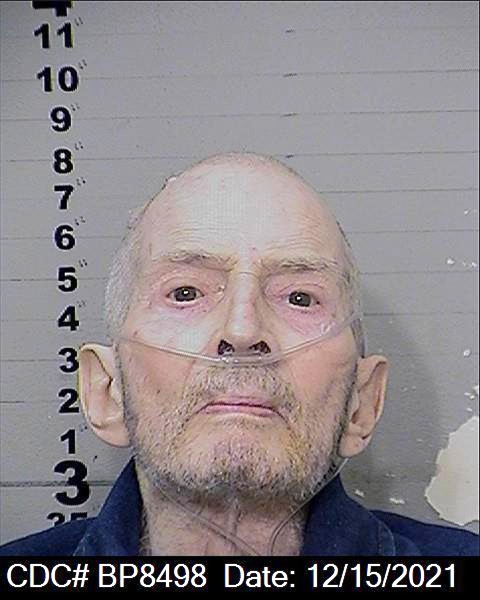
Robert Durst became the focus of investigations involving his missing wife Kathie, his friend Susan Berman, and neighbor Morris Black. He was acquitted in Black’s death after claiming self-defense, but convicted of Berman’s murder in 2021. The Jinx brought renewed attention to the overlapping cases.
Herb Brooks coached the U.S. men’s hockey team to a 4–3 victory over the Soviet Union at the 1980 Winter Olympics in Lake Placid. The Americans then defeated Finland 4–2 to secure the gold medal. Miracle dramatizes the team’s preparation, and the 2026 documentary Miracle: The Boys of ’80 adds archival footage and players’ recollections.
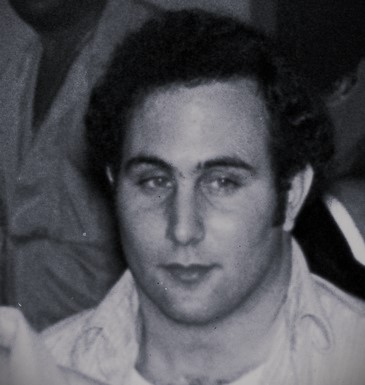
David Berkowitz killed six people and wounded others in shootings that frightened New York in 1976 and 1977. Letters using the name Son of Sam intensified the coverage. He pleaded guilty after his arrest; later media theories about accomplices go beyond those convictions.
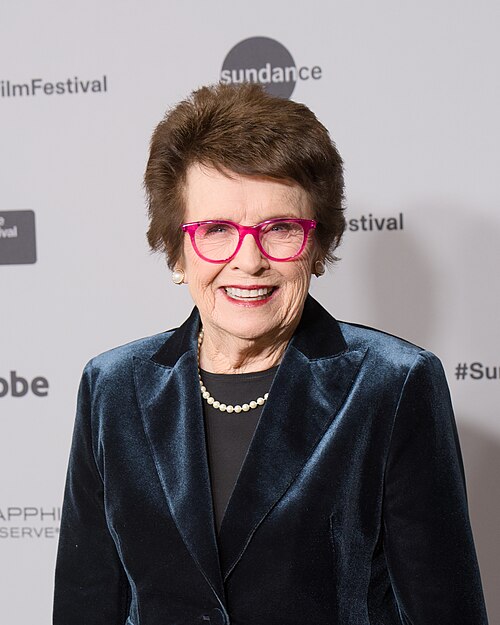
Billie Jean King used her position in professional tennis to press for equal opportunities and pay. Her televised match against Bobby Riggs in Houston became a widely watched confrontation over women’s abilities. All In recounts her broader life; Battle of the Sexes dramatizes the 1973 match and its context.
Teacher Roseann Quinn was murdered in 1973. Investigators retraced her movements through New York's nightlife, while public discussion often focused on her social life instead of the violence committed against her.
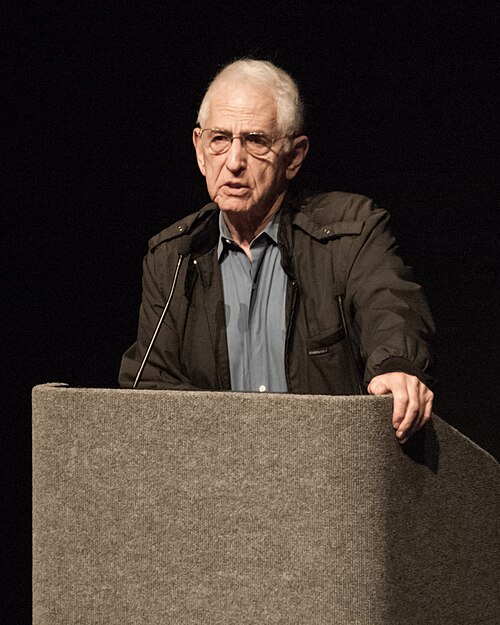
Daniel Ellsberg supplied newspapers with a classified study of U.S. decision-making in Vietnam. The disclosures set off a struggle over government secrecy and press freedom. His memoir and documentary examine the decision to leak the papers, the legal response and the people involved.
Rodney Alcala appeared on The Dating Game in 1978 while committing crimes against women and girls. He was ultimately convicted of five California murders and pleaded guilty to two New York murders. Woman of the Hour dramatizes encounters around the television appearance; its invented scenes should be read separately from the documented cases.
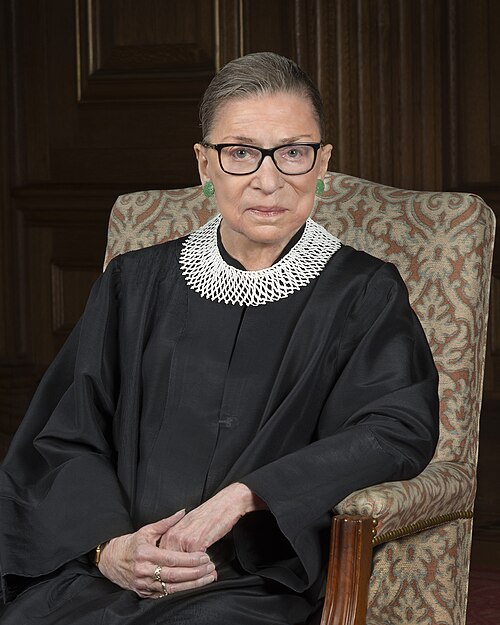
Ruth Bader Ginsburg challenged laws that treated people differently because of sex, developing a litigation strategy before her Supreme Court appointment. On the Basis of Sex dramatizes an early tax case involving a male caregiver; her collected writings offer a wider view of her legal career.
Prisoners at Attica took hostages during a September 1971 uprising over prison conditions. The state’s armed retaking killed prisoners and hostages and was followed by decades of disputes over accountability and compensation. Heather Ann Thompson’s Blood in the Water investigates the uprising and the experiences of survivors and families.
Judy Heumann challenged exclusion from education and employment and helped organize the 1977 Section 504 sit-in. Her memoir and Crip Camp connect personal experience to collective action for accessibility and civil rights. The story includes the community that formed around a summer camp for disabled young people.
A police raid on the Stonewall Inn sparked resistance and several nights of unrest in Greenwich Village. The uprising became a rallying point for LGBTQ organizing, building on activism that already existed. David Carter’s history and the documentary examine witnesses’ accounts and the broader setting.
Penny Chenery took over the family’s Meadow Stable as her father’s health declined. In 1973, Secretariat won the Kentucky Derby, Preakness and Belmont Stakes, becoming the first Triple Crown winner in 25 years. The film Secretariat dramatizes Chenery’s role, while racing-history sources document the horse’s performances.
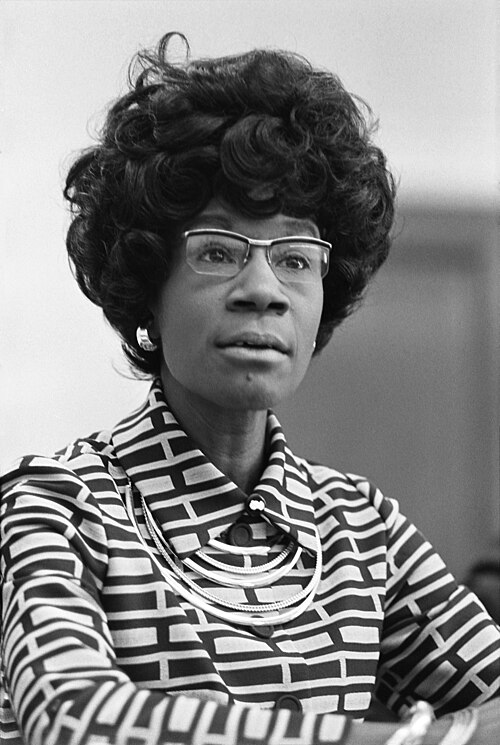
Shirley Chisholm became the first Black woman elected to Congress and later sought the Democratic presidential nomination. Her campaign challenged assumptions about who could seek national office. Her writing and the film Shirley explore the independence, coalition-building and resistance that shaped that effort.
New York police officer Frank Serpico reported corruption within his department despite resistance from colleagues and superiors. His testimony and public disclosures became part of a wider reckoning with police misconduct. Peter Maas’s account and the film follow the personal costs of speaking out.
The deaths of Eddie and Missy Crimmins led to a highly publicized investigation of their mother, Alice. The case involved repeated proceedings and intense scrutiny of her private life alongside disputed evidence.
Five of Waneta Hoyt’s children died between 1965 and 1971, with their deaths initially associated with sudden infant death syndrome. A renewed investigation produced a confession she later recanted. She was convicted in 1995, and the case prompted scrutiny of the earlier medical conclusions.
Kitty Genovese was murdered outside her Queens apartment building in 1964. The widely repeated story that dozens of witnesses did nothing became a subject of later correction and debate about bystander behavior.
Bayard Rustin coordinated the logistics of the 1963 March on Washington for Jobs and Freedom, drawing on years of nonviolent organizing. Racism and hostility toward his sexuality often pushed his work out of public view. The biography Lost Prophet and the film Rustin explore the man behind one of the civil rights movement’s defining events.
Two young women were murdered in an Upper East Side apartment in 1963. Public pressure on investigators contributed to a notorious false-confession case before the investigation identified another suspect.
Billy Woodward was shot by his wife Ann in 1955. Her account of mistaking him for an intruder and the couple's prominence made the death a lasting subject of reporting and debate.
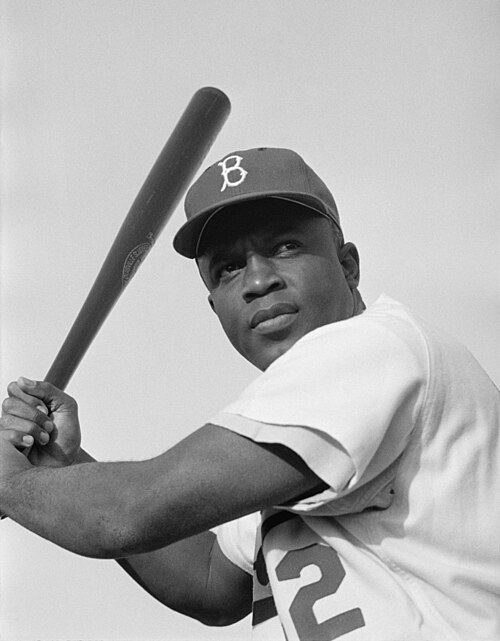
Jackie Robinson joined the Brooklyn Dodgers in 1947 and broke Major League Baseball’s modern color barrier. He faced racist abuse while succeeding on the field, then continued advocating for civil rights. His autobiography covers more of that life than 42, which concentrates on his entry into the major leagues.
A killing in the Bronx led investigators to examine a series of attacks on women. Survivors' accounts helped connect the incidents and identify George Joseph Cvek.