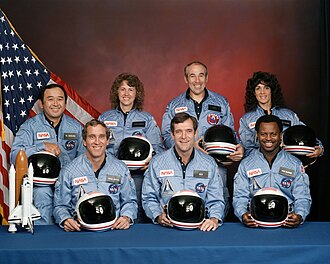
Seven crew members died when Challenger broke apart shortly after launch in January 1986. Investigators examined technical failure, engineering warnings and NASA’s decision-making. The book and documentary series revisit the crew’s lives and the institutional choices behind the disaster.
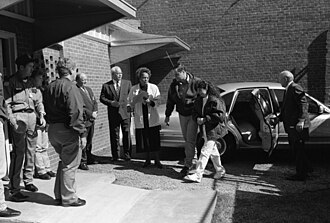
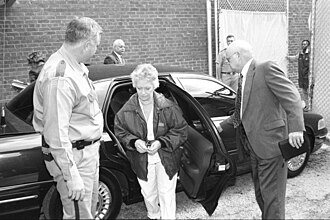
Karla Faye Tucker and Danny Garrett killed Jerry Dean and Deborah Thornton during a 1983 attack in Houston. Tucker was convicted of capital murder. Her later religious conversion and requests for clemency brought international attention to the case before her 1998 execution, while the victims’ families faced renewed public scrutiny of their losses.
Rozanne Gailiunas was attacked in her Texas home in 1983 and died from her injuries. Investigators eventually uncovered a murder-for-hire plot connected to Joy Aylor, whose husband had been involved with Rozanne. Aylor fled overseas before being brought back to face justice, extending the case across years and international borders.
James and Virginia Campbell were shot while asleep in their Houston home in 1982. Their daughter Cynthia Campbell Ray and her former boyfriend David West were implicated in the killings. West testified about their plan, and Ray was convicted. The crime revealed a murder plot originating within the victims’ own family.
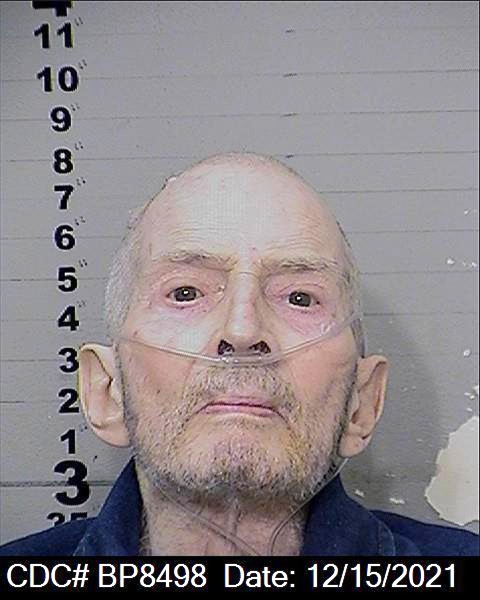
Robert Durst became the focus of investigations involving his missing wife Kathie, his friend Susan Berman, and neighbor Morris Black. He was acquitted in Black’s death after claiming self-defense, but convicted of Berman’s murder in 2021. The Jinx brought renewed attention to the overlapping cases.
Investigators searching Betty Lou Beets’s Texas property found the remains of two of her husbands, Doyle Wayne Barker and Jimmy Don Beets, buried near the home. Prosecutors said financial gain motivated Jimmy Don’s killing. Beets was convicted of his capital murder; the discovery of both bodies turned a missing-person investigation into a widely reported case.
Betty Gore was killed with an axe in her Texas home in 1980. Candy Montgomery, who had had an affair with Betty’s husband, admitted the killing but said she acted in self-defense. A jury acquitted her. The contrast between suburban family life and the violence brought extraordinary attention to the trial.
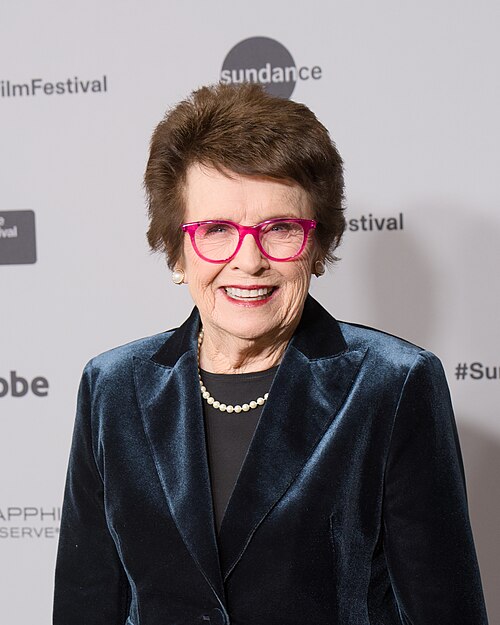
Billie Jean King used her position in professional tennis to press for equal opportunities and pay. Her televised match against Bobby Riggs in Houston became a widely watched confrontation over women’s abilities. All In recounts her broader life; Battle of the Sexes dramatizes the 1973 match and its context.
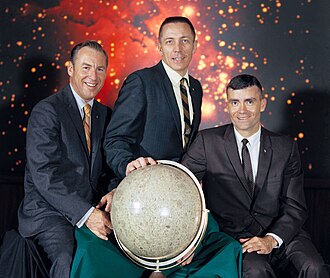
An oxygen-tank failure forced Apollo 13’s crew and ground teams to abandon a lunar landing and improvise a way home. Jim Lovell, Jack Swigert and Fred Haise survived the emergency. The book and film trace the teamwork, engineering and decisions behind the return to Earth.
Gunfire from the University of Texas tower killed and injured people on and around the Austin campus in August 1966. The episode examines the attack and the investigation into Charles Whitman.
High-school student Betty Williams disappeared in 1961. Investigators initially considered whether she had run away before information circulating among classmates shifted the inquiry toward murder.
José Hernández grew up in a migrant farmworker family and pursued electrical engineering before joining NASA. After years of applications, he was selected for astronaut training in 2004 and flew aboard Discovery’s STS-128 mission in 2009. His memoir and A Million Miles Away explore the family support and persistence behind that journey.
Conbino Crasto was shot during a gas-station robbery in Cleveland, Texas. Surveillance video helped investigators search for three masked people connected to the attack.
Mandi Gordon, a mother of two, disappeared in Texas. Investigators followed security recordings and inconsistent accounts to a remote ranch as they searched for her.