Steven Stayner was abducted at seven by Kenneth Parnell in 1972 and held for more than seven years. In 1980 he escaped with another kidnapped child, Timmy White, and sought help. His return and the difficulties afterward inspired I Know My First Name Is Steven.
Rodney Alcala appeared on The Dating Game in 1978 while committing crimes against women and girls. He was ultimately convicted of five California murders and pleaded guilty to two New York murders. Woman of the Hour dramatizes encounters around the television appearance; its invented scenes should be read separately from the documented cases.
Joseph James DeAngelo committed murders, rapes, and burglaries across California under several names used by investigators and the media. Genetic genealogy helped identify the former police officer in 2018. He pleaded guilty to 13 murders in 2020 and admitted numerous other offenses.
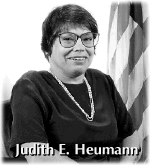
Judy Heumann challenged exclusion from education and employment and helped organize the 1977 Section 504 sit-in. Her memoir and Crip Camp connect personal experience to collective action for accessibility and civil rights. The story includes the community that formed around a summer camp for disabled young people.
Members of the Ohta household were found murdered at their Santa Cruz home in 1970. Investigators pursued evidence linking the killings to John Linley Frazier.
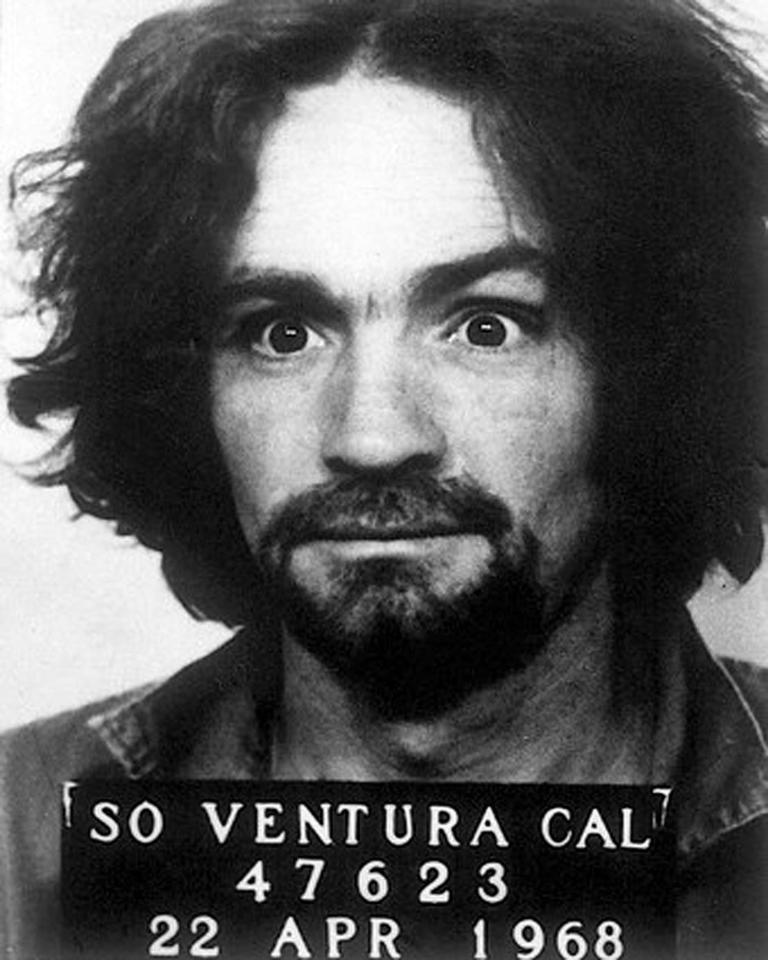
In August 1969, followers of Charles Manson murdered Sharon Tate and others at her home, then killed Leno and Rosemary LaBianca the following night. Manson and several followers were convicted. The extensive media coverage often examines how he directed and controlled the group.
Reet Jurvetson was killed in Los Angeles in 1969 and remained unidentified for decades as Jane Doe #59. A later DNA match established the Canadian teenager’s identity; the crime occurred in the United States.
Cheryl Perveler was found shot in her car in 1968. The investigation into her death exposed a wider plot and other violence connected to people close to her.
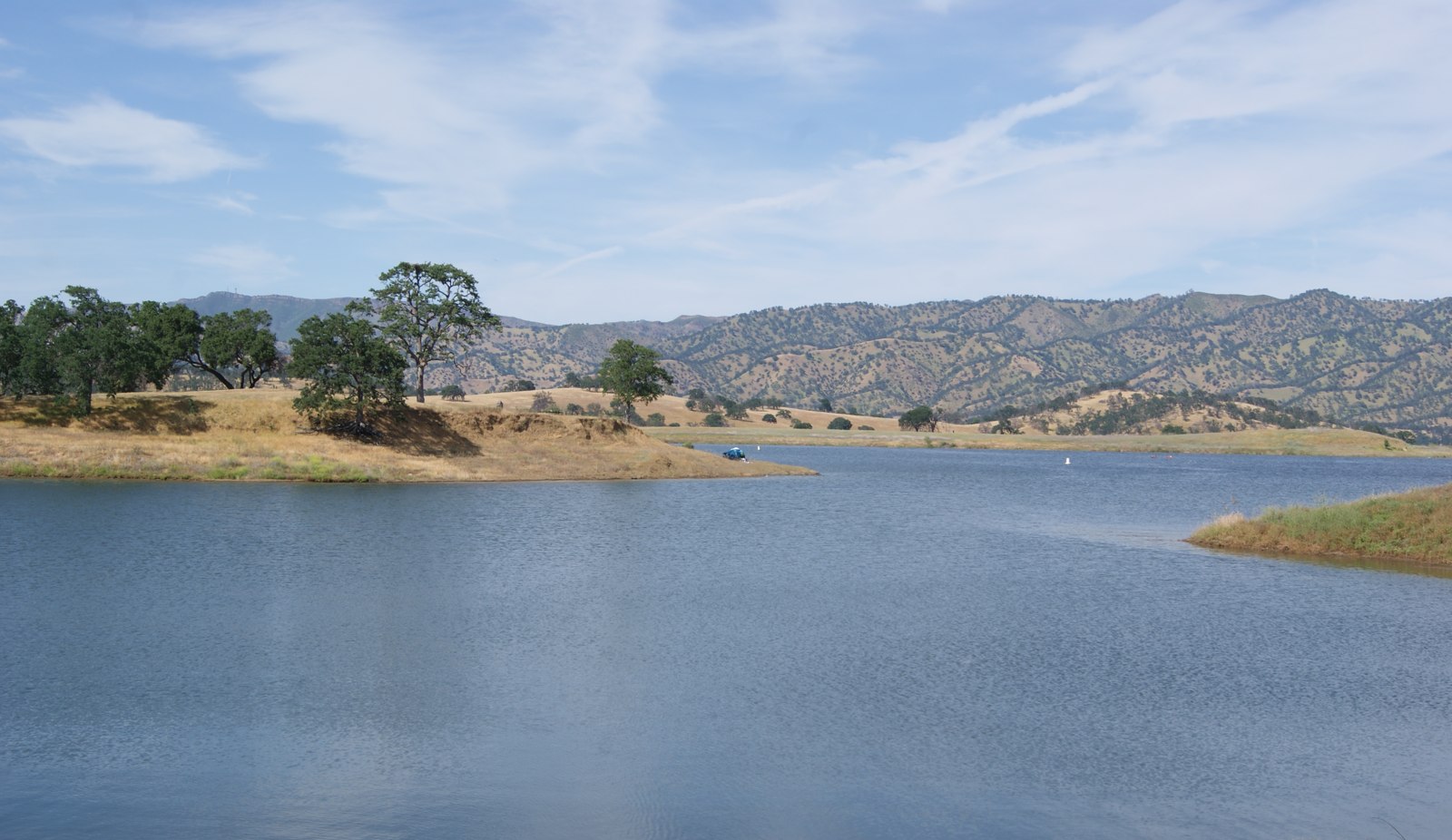
Case LocationLake Berryessa attack areaPhoto creditJames PostemaCC BY 4.0. Resized to fit.
The Zodiac attacked people in Northern California in the late 1960s and sent threatening letters and ciphers to newspapers. Five deaths are commonly attributed to the confirmed attacks. The killer’s identity remains unresolved, despite decades of suspects, books, films, and amateur investigations.
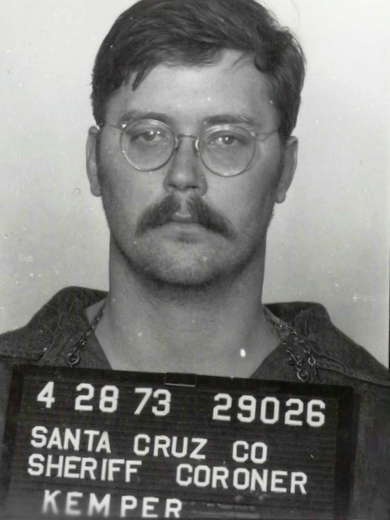
Edmund Kemper killed his grandparents as a teenager and was later released from psychiatric custody. In the early 1970s he murdered six young women, his mother, and her friend before surrendering. Interviews with him became part of later discussions of criminal profiling.
Cork Miller died in a car fire in 1964. Investigators examined whether the fire was accidental or deliberately set, leading to a murder prosecution involving his wife Lucille.
Los Angeles officers Ian Campbell and Karl Hettinger were abducted during a traffic stop in March 1963 and driven to a rural field. Campbell was killed; Hettinger escaped. Joseph Wambaugh’s nonfiction book examines the crime, the prosecutions and the lasting effects on the surviving officer.
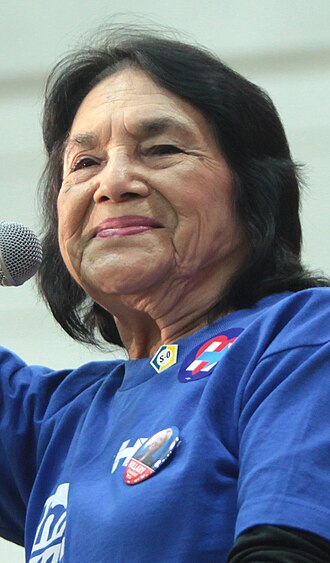
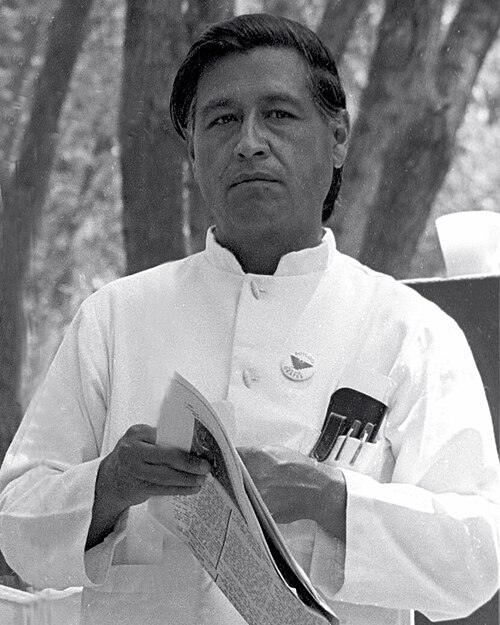
Cesar Chavez, Dolores Huerta and farmworkers organized strikes, boycotts and a union campaign to improve agricultural working conditions. Their story includes collective action by Mexican American and Filipino workers. Books and films explore both the movement’s achievements and tensions within its leadership.
José Hernández grew up in a migrant farmworker family and pursued electrical engineering before joining NASA. After years of applications, he was selected for astronaut training in 2004 and flew aboard Discovery’s STS-128 mission in 2009. His memoir and A Million Miles Away explore the family support and persistence behind that journey.
Fourteen-year-old Stephanie Bryan disappeared in 1955. A search involving investigators, local reporting, and physical evidence led to the discovery of her remains and the prosecution of Burton Abbott.
Harvey Glatman used photography and introductions to gain access to women in Southern California. He killed Judith Dull, Ruth Mercado and Shirley Bridgeford; survivor Lorraine Vigil helped expose him.
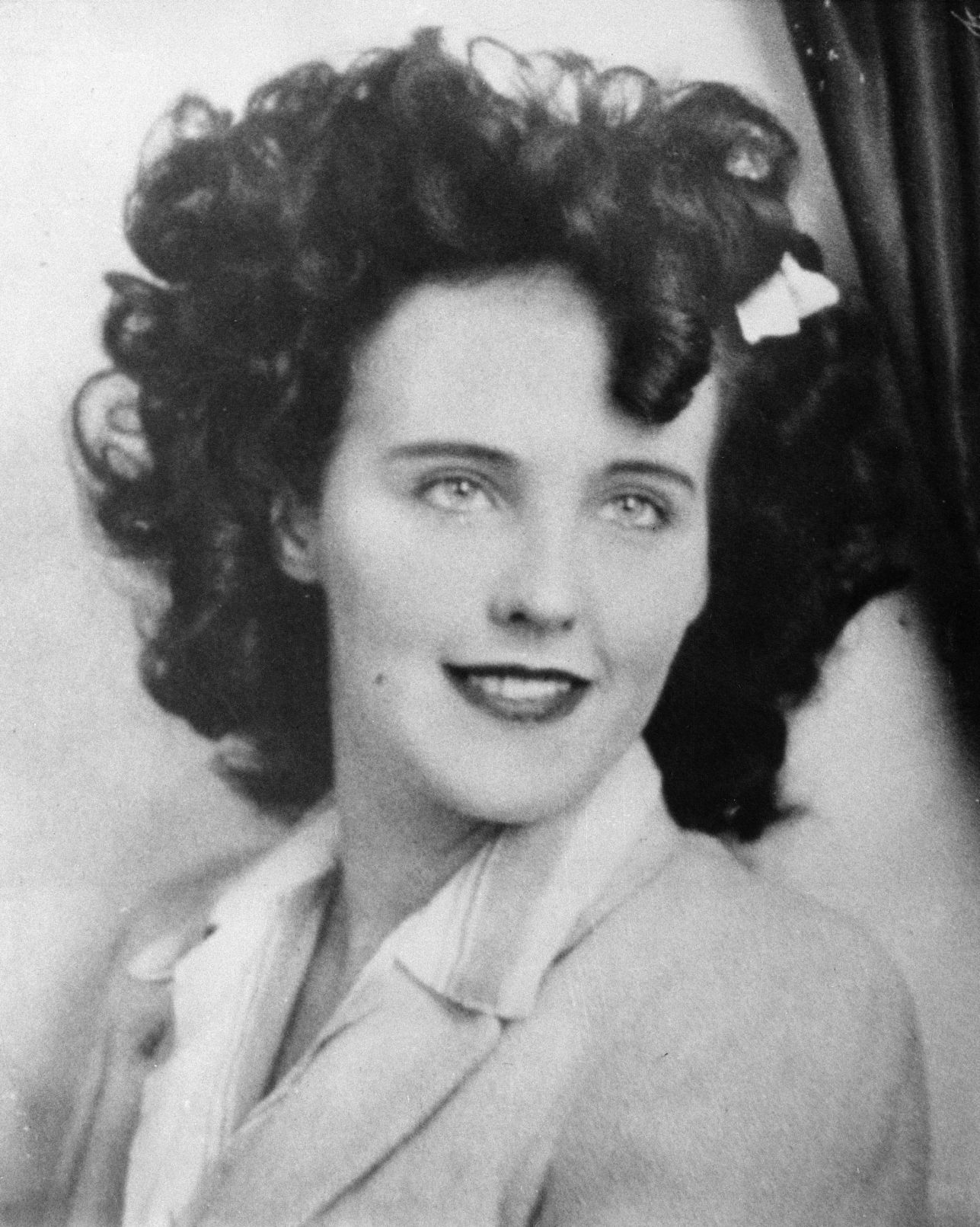
Elizabeth Short’s body was found in Los Angeles in January 1947. Newspapers called her the Black Dahlia, and the unsolved killing generated decades of theories and fictional treatments. No later book’s proposed suspect should be treated as an officially established killer.
Jeanne Wakatsuki Houston was a child when her family was forcibly removed and incarcerated at Manzanar during World War II. Her memoir follows family life inside the camp and the experience of returning afterward. Its television adaptation helped bring Japanese American incarceration to a wider audience.
Eric Madison's death in 1934 led to the prosecution of his wife Nellie May. Her case drew attention to domestic abuse and to how the justice system treated women facing capital punishment.
Fred Oesterreich was found shot while his wife Dolly was locked in a closet. The investigation eventually revealed another man secretly living in the household and a concealed relationship.
Jennifer Krajnak was shot after a night out at a Lemon Grove bar. Investigators examined several possible suspects before using surveillance recordings to narrow the investigation.