CASE 381Alabama
2021–2022
Hannah Pettey
Hannah Pettey, a young mother in Alabama, survived serious lead poisoning. Investigators examined people close to her; 48 Hours reports that her husband Brian was responsible.
 Unforgotten Casebook — One case. Every angle. One place.
One case. Every angle. One place.
Explore books, movies, podcasts, news coverage, and court records—organized by true crime case and real-life story, together in one place.
THE CASE LIBRARY
U.S. cases, plus the Bernardo–Homolka case in Canada.
2021–2022
Hannah Pettey, a young mother in Alabama, survived serious lead poisoning. Investigators examined people close to her; 48 Hours reports that her husband Brian was responsible.
2010
Amy Bishop opened fire during a faculty meeting at the University of Alabama in Huntsville in 2010, killing three colleagues and injuring three others. The attack followed a tenure dispute. She pleaded guilty, and reporting also revisited an earlier shooting involving her brother.
2002
Alan Bates and his wife, Terra, were killed in February 2002 during a custody dispute involving Alan’s daughters. The killings took place at the Hoover home of his former wife, Jessica McCord, and her husband, Jeff; the victims’ remains were later found in Georgia. Jessica was convicted in 2003 and received life without parole. Jeff also received life sentences. Snapped examines the case, while reporting traces the investigation and its impact on the victims’ families.
1986–1993
Walter McMillian was sentenced to death for a murder he did not commit. Bryan Stevenson and his colleagues challenged the prosecution’s evidence and helped secure his release. Just Mercy follows that case within Stevenson’s wider work defending people facing wrongful convictions and extreme punishment.
1975–1987
Audrey Marie Hilley poisoned her husband, Frank, with arsenic and later poisoned her daughter, Carol, who survived. Medical testing helped expose the Alabama crimes. Hilley fled while awaiting trial and lived under false identities before being caught. The case became known for both the family poisonings and the elaborate deception that followed.
1965
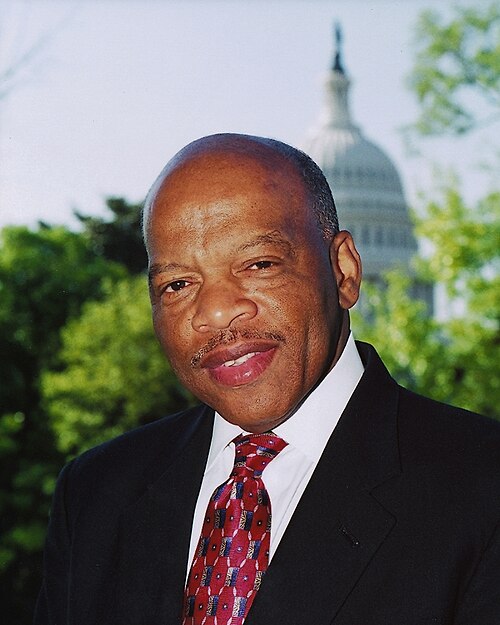
John Lewis and other voting-rights marchers were attacked by law enforcement on Bloody Sunday in Selma. Images of the violence drew national attention to Black Americans’ exclusion from voting. Lewis’s memoir and documentary place Selma within his longer commitment to nonviolent organizing and public service.
1961
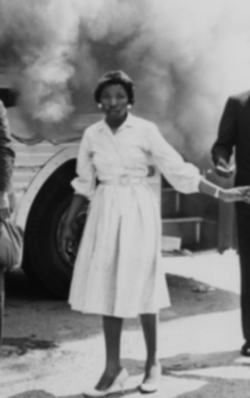
Interracial groups rode buses through the South to challenge segregation in interstate travel. Riders endured mob attacks, arrests and imprisonment while demanding enforcement of existing court rulings. The campaign helped force federal action against segregated interstate bus facilities.
1955–1956
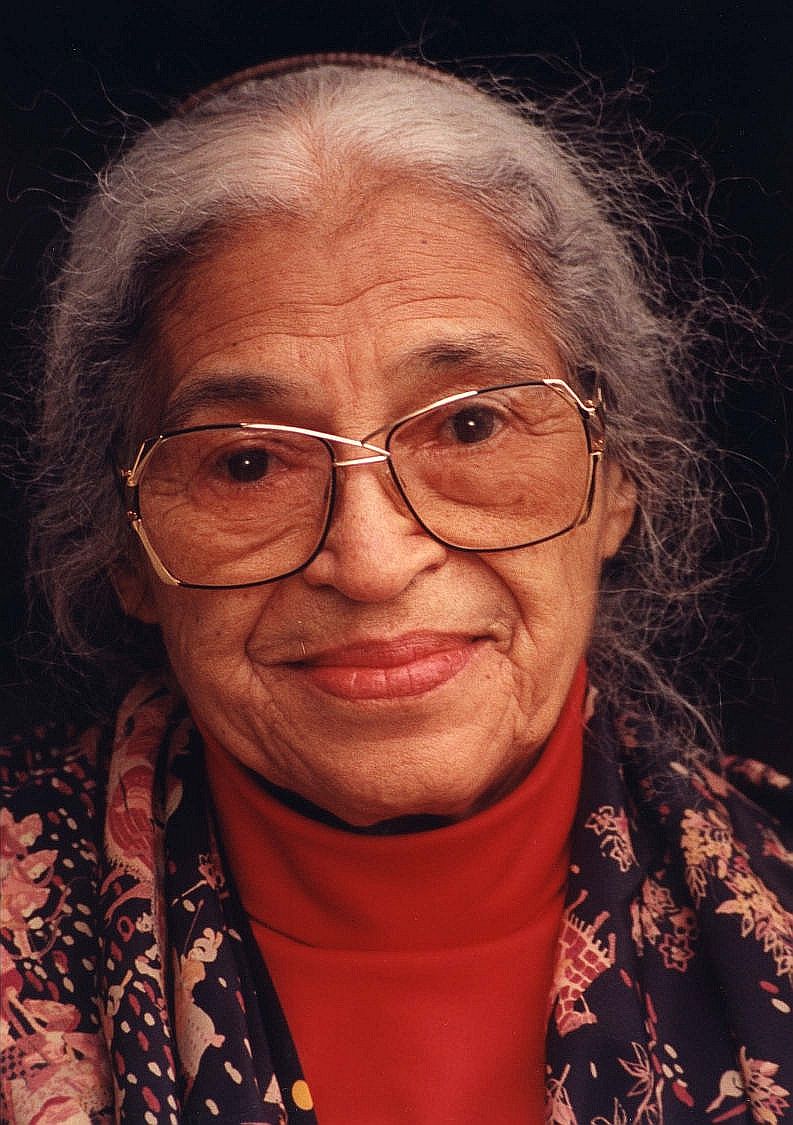
Rosa Parks’s arrest after refusing to surrender her bus seat became a catalyst for Montgomery’s organized bus boycott. Her activism extended far beyond that moment, including decades of civil rights work in Alabama and Michigan. The biography and documentary challenge the idea that her protest was accidental.
1932–1972
Black men in a U.S. Public Health Service study were misled about its purpose and denied adequate treatment for syphilis. Public exposure of the study in 1972 intensified demands for research safeguards. Bad Blood investigates the history; Miss Evers’ Boys uses fictionalized characters to dramatize it.
1931–1935
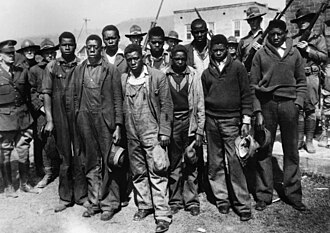
Nine Black teenagers were accused of rape after a confrontation aboard a freight train in Alabama. Rushed trials, inadequate representation and racial exclusion from juries turned the prosecutions into a national struggle over justice. Supreme Court decisions arising from the cases addressed counsel and jury discrimination.
1887–1904
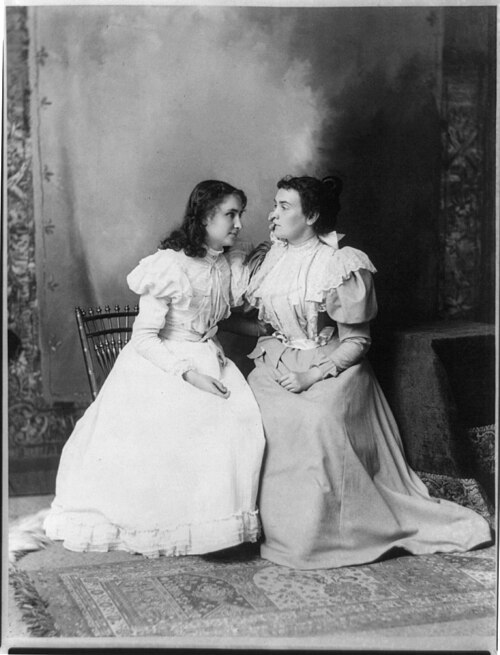
Helen Keller and teacher Anne Sullivan developed ways for Keller to access language and education as a deafblind child. Keller’s autobiography describes her learning and relationships. The Miracle Worker concentrates on the early teaching relationship, rather than Keller’s later career as a writer and advocate.
Year not confirmed
Johnny Soekhies was murdered in Alabama. Investigators followed security recordings of a vehicle taking him toward the scene and a person seen nearby.
NEW CASES. MORE TO EXPLORE.
Be notified when we add new cases and updates to the casebook. Email signup is optional and for readers 18 and older.
JUST GETTING STARTED
Unforgotten Casebook is new and growing. Have a name, a case, or a book, movie or podcast we should include? Help shape what comes next.
Our research and writing are AI-assisted, with links to sources so you can explore further. How we build the casebook.
BEYOND THE HEADLINE