The deaths of Cora, Dawson and Callan Clancy led to murder charges against their mother, Lindsay. The 2026 trial examined criminal responsibility and mental health; September reporting describes a mistrial rather than a conviction.
Boston police officer John O’Keefe was found dead outside a Canton home in January 2022. Karen Read’s first trial ended without a verdict in 2024. At her June 2025 retrial, a jury acquitted her of second-degree murder, manslaughter and leaving the scene of a fatal incident, and convicted her of drunken driving.
Michelle Carter encouraged Conrad Roy to take his own life through messages and conversations before his death in 2014. Her involuntary-manslaughter trial raised questions about responsibility for conduct carried out through a phone. Documentaries and dramatizations revisit the messages and the court’s reasoning.
Amy Lord, 24, was found stabbed to death. Investigators reconstructed her movements through recordings from five Boston ATMs, using the images to investigate her abduction and killing.
Julissa Brisman was found shot and bound in a Boston hotel room in 2009. Hotel security recordings helped investigators trace an attacker connected to a series of encounters arranged online.
Survivors and journalists exposed sexual abuse by Catholic clergy and failures by church leaders to protect children. The Boston Globe’s investigation brought documents and survivor accounts to a wider audience. Betrayal collects the reporting, while Spotlight dramatizes how the newsroom pursued the evidence.
Sixteen-year-old Molly Bish disappeared from her Massachusetts lifeguard job in 2000. Her remains were discovered in 2003. The investigation has considered multiple leads, but the case remains unresolved; media discussion of suspects does not establish responsibility for her death.
Janet Downing was killed in her Massachusetts home. Teenager Eddie O’Brien was convicted; attorney and author Margo Nash challenges that conviction. Her position is presented as advocacy, not as an exoneration.
Brooke Ellison was paralyzed after being struck by a car in 1990 at age eleven. With her mother Jean’s support, she continued her education and graduated from Harvard in 2000. Their jointly written memoir describes daily life, family care and access to education; Christopher Reeve later directed its television adaptation.
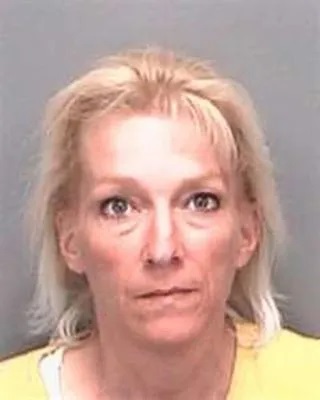
Kristen GilbertPhoto creditBOP · Public domain (U.S.). Cropped/resized.
Veterans Affairs nurse Kristen Gilbert caused medical emergencies by injecting patients with epinephrine at a Massachusetts hospital. Coworkers noticed a troubling pattern around her shifts. She was convicted in 2001 of four murders and other offenses arising from the attacks.
Liz Murray experienced homelessness as a teenager in New York, returned to school and completed high school in two years. A scholarship helped her attend Harvard, where she graduated in 2009. Her memoir Breaking Night and the earlier television film recount her childhood, family relationships and pursuit of education.
Charles Stuart shot his pregnant wife, Carol, in Boston in 1989 and blamed a Black carjacker. Carol died, and their prematurely delivered baby also died. The false account triggered an aggressive police search in Black neighborhoods. Charles’s brother later exposed the plot, and Charles died by suicide as suspicion turned toward him.
Kenneth Waters was wrongly convicted of killing Katharina Brow in Massachusetts. His sister Betty Anne became a lawyer while working to overturn the conviction. DNA testing helped establish his innocence in 2001, and their campaign became the basis of the film Conviction.
Families in Woburn sought answers about childhood leukemia and contaminated municipal drinking-water wells. Their civil lawsuit became the subject of Jonathan Harr’s book and the film A Civil Action. Separate federal Superfund proceedings addressed cleanup of the Wells G&H site.
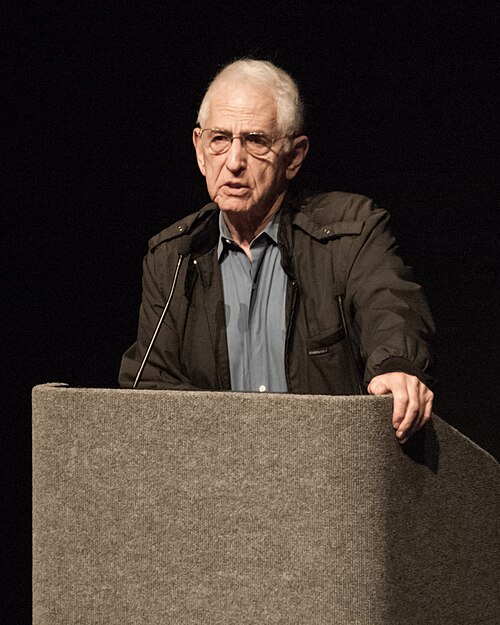
Daniel Ellsberg supplied newspapers with a classified study of U.S. decision-making in Vietnam. The disclosures set off a struggle over government secrecy and press freedom. His memoir and documentary examine the decision to leak the papers, the legal response and the people involved.
Fifteen-year-old John McCabe was killed after a dance. Decades later, investigators revisited suspicions involving people who knew him, and the case produced different outcomes for the men tried.
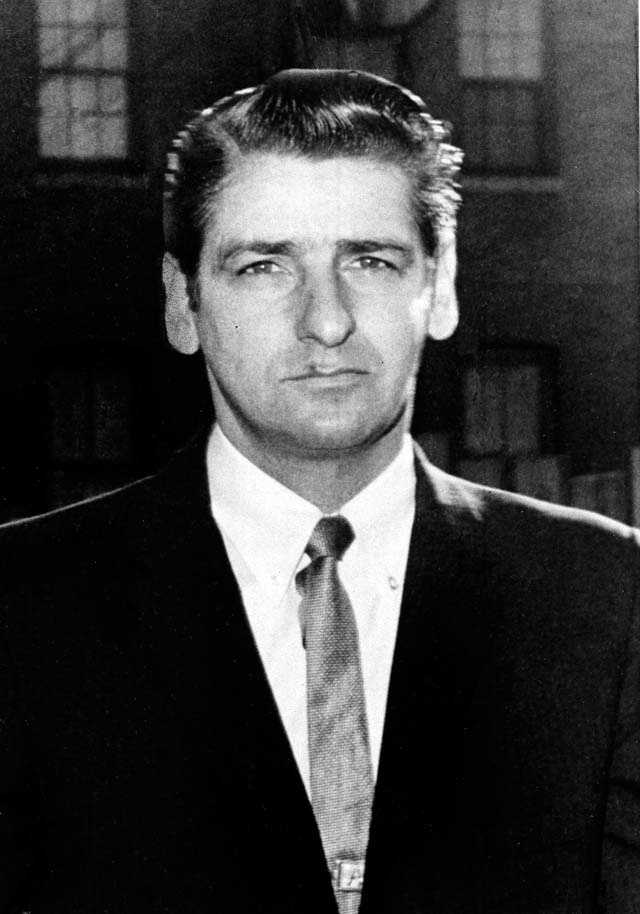
Albert DeSalvo confessed to the Boston Strangler killings but was never tried for those murders. DNA evidence later linked him to Mary Sullivan’s 1964 death. His responsibility for the other killings has remained a subject of disagreement in reporting and books.
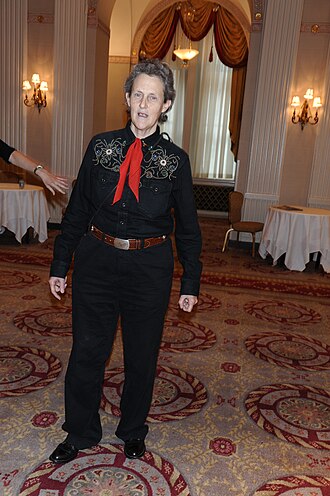
Temple Grandin developed a career in animal science and livestock-handling design while explaining her experience as an autistic person. Her writing and public work challenged assumptions about how people think and learn. The HBO film draws on her accounts of education, family support and early professional life.
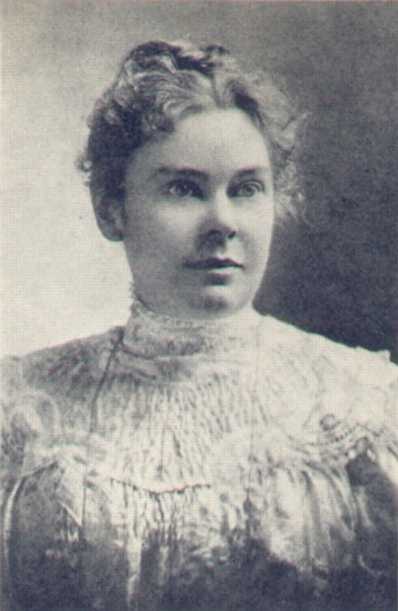
Andrew and Abby Borden were killed with a hatchet in their Fall River home in 1892. Andrew’s daughter Lizzie was tried and acquitted the following year. The case remains unresolved; later books and films offer competing interpretations rather than an established identification of the killer.
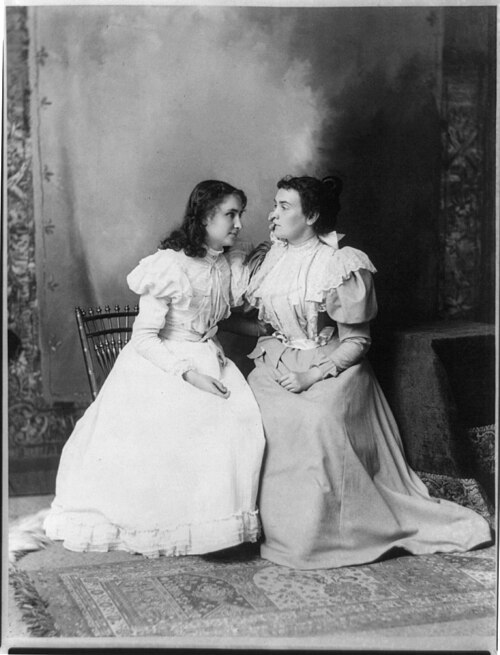
Helen Keller and teacher Anne Sullivan developed ways for Keller to access language and education as a deafblind child. Keller’s autobiography describes her learning and relationships. The Miracle Worker concentrates on the early teaching relationship, rather than Keller’s later career as a writer and advocate.