Unforgotten Casebook — One case. Every angle. One place.

Unforgotten Casebook

Unforgotten Casebook

One case. Every angle. One place.

Explore books, movies, podcasts, news coverage, and court records—organized by true crime case and real-life story, together in one place.

Explore the case library
Read the booksWatch the adaptationsListen & investigateGo to the sources

THE CASE LIBRARY

Start with a story.

236 cases in the collection

41 of 236 cases

More media formats first · Book-only cases last in each section

U.S. cases, plus the Bernardo–Homolka case in Canada.

Multiple & serial murders

5 cases
CASE 023Sacramento, California

1982–1988

Dorothea Puente’s boarding house
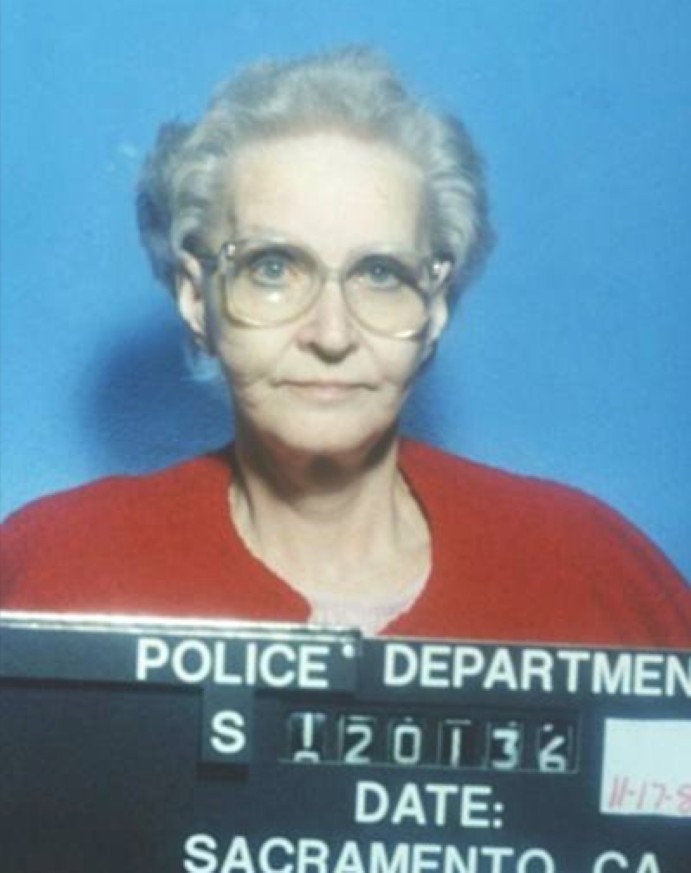
Dorothea Puente
Dorothea Puente
Photo creditSacramento Police Department / Wikimedia Commons · Public domain (U.S.). Cropped/resized.

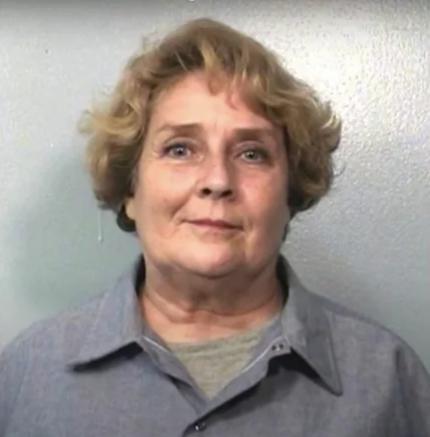
Police searching Dorothea Puente’s Sacramento boarding house in 1988 found bodies buried in the yard. Puente had been collecting benefit checks belonging to vulnerable tenants, some of whom had disappeared. The discoveries contradicted her image as a caring landlady. She was ultimately convicted of three murders.
CASE 083California

1970s–1980s

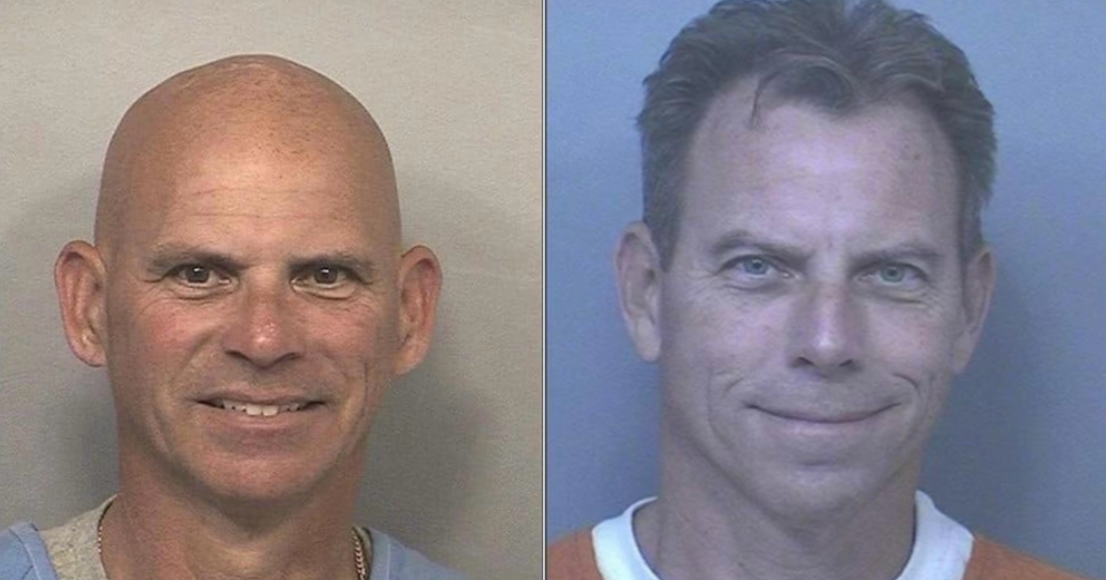
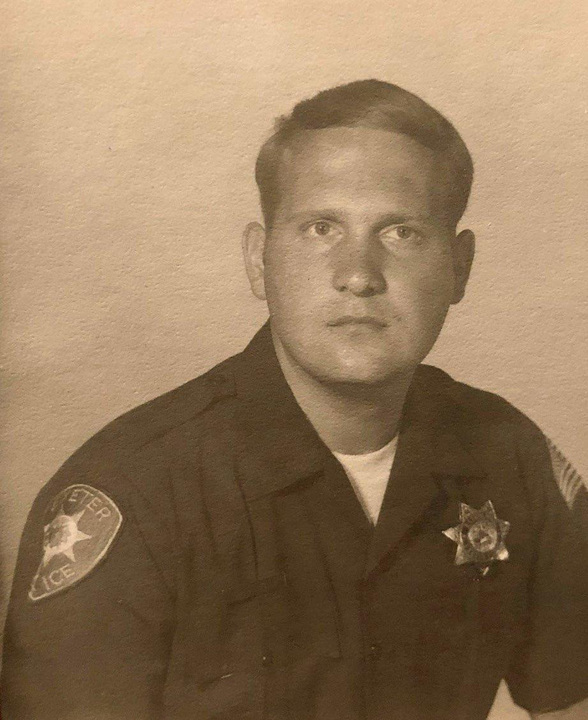
Joseph James DeAngelo · “Golden State Killer

Joseph James DeAngelo
Photo creditSanta Barbara County Sheriff's Office, 1973 / Wikimedia Commons · Public domain (U.S.). Cropped/resized.

Joseph James DeAngelo committed murders, rapes, and burglaries across California under several names used by investigators and the media. Genetic genealogy helped identify the former police officer in 2018. He pleaded guilty to 13 murders in 2020 and admitted numerous other offenses.

CASE 042California, United States

1999

The Yosemite murders

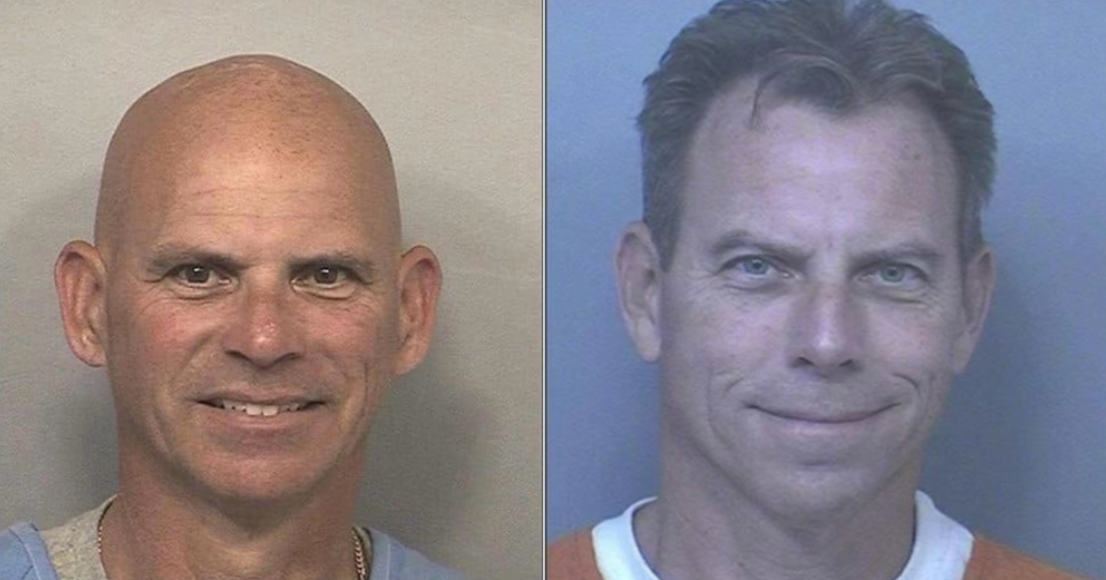
Carole Sund, her teenage daughter Juli, and family friend Silvina Pelosso disappeared during a Yosemite-area trip in 1999 and were found murdered. The later killing of park naturalist Joie Armstrong led investigators to Cary Stayner, a motel worker. Stayner was convicted in the killings that had frightened visitors and devastated four families.

CASE 079California

1964–1973

Edmund Kemper · “Co-Ed Killer

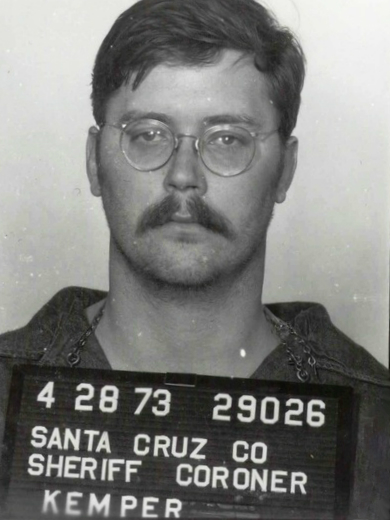
Edmund Kemper killed his grandparents as a teenager and was later released from psychiatric custody. In the early 1970s he murdered six young women, his mother, and her friend before surrendering. Interviews with him became part of later discussions of criminal profiling.

CASE 077California

1984–1985

Richard Ramirez · “Night Stalker

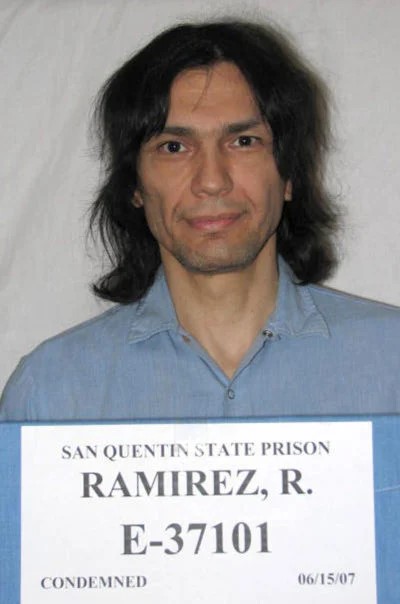
Richard Ramirez entered homes across California during a series of murders, sexual assaults, and other attacks in 1984 and 1985. Public identification helped end the manhunt. The crimes and the investigation became widely known through reporting about the Night Stalker.

Partners & family

6 cases
CASE 009San Diego, California

1989

Betty Broderick

Betty Broderick entered the home of her former husband, Dan Broderick, and shot him and his new wife, Linda, as they lay in bed in 1989. The killings followed a bitter divorce and years of conflict. Her televised court proceedings divided public opinion; a jury convicted her of two counts of second-degree murder.

CASE 091Beverly Hills, California

1989

Lyle & Erik Menendez

Lyle and Erik Menendez shot their parents, José and Kitty, in their Beverly Hills home in 1989. Their trials contrasted allegations of long-term abuse with prosecutors’ account of financial motives. Both were convicted; later proceedings and renewed coverage revisited their sentences and the evidence about abuse.

CASE 095Modesto, California

2002

Laci Peterson

Laci Peterson disappeared from Modesto while pregnant in December 2002. Her remains and those of her unborn son, Conner, were recovered the following year. Her husband Scott was convicted of their murders in 2004; subsequent coverage has examined the investigation and challenges to the conviction.

CASE 070California, United States

1984–1985

Theresa Knorr & her daughters

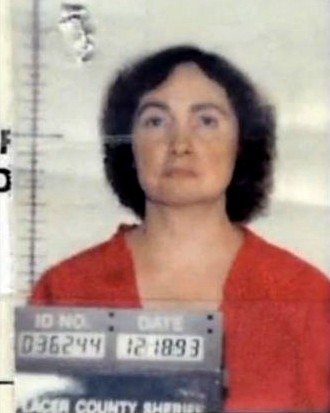
Theresa Knorr
Theresa Knorr
Photo creditSan Bernardino County Sheriff, via Wikimedia Commons · Public domain (U.S.). Cropped/resized.

Suesan and Sheila Knorr died in separate incidents in California after prolonged abuse by their mother, Theresa Knorr. Other children in the household were drawn into concealing the crimes. Their surviving sister Terry later helped bring the deaths to investigators’ attention. Theresa pleaded guilty to murdering both daughters.

CASE 052California, United States

1995

Sally & Ray McNeil · “Killer Sally

Sally McNeil shot her husband, bodybuilder Ray McNeil, on Valentine’s Day in 1995. She said she acted in self-defense during a violent confrontation; prosecutors argued that the killing was murder. A jury convicted her of second-degree murder. The case centered on sharply competing accounts of domestic abuse and the shooting.

Teen & school

4 cases
CASE 019California, United States

1985

Linda & Cinnamon Brown

Fourteen-year-old Cinnamon Brown shot her stepmother, Linda, in California in 1985 and initially took responsibility. Investigators later uncovered a plot directed by Cinnamon’s father, David Brown, who stood to benefit financially. The case revealed how he manipulated his daughter into killing and accepting the blame, leading to further convictions.

CASE 035California, United States

1985

Michele “Missy” Avila

Seventeen-year-old Michele “Missy” Avila was lured into the Angeles National Forest and drowned in 1985. Her friends Karen Severson and Laura Doyle were eventually convicted of killing her. The case was especially disturbing because the killers remained close to Missy’s grieving family while the crime was still being investigated.

CASE 150San Diego, California

1979

Brenda Spencer

Sixteen-year-old Brenda Spencer fired at an elementary school from her San Diego home in 1979, killing two staff members and injuring children and a police officer. Her remark about disliking Mondays became notorious. The victims’ experiences form an essential part of the case beyond that phrase.

CASE 008Orinda, California

1984

Kirsten Costas & Bernadette Protti

Fifteen-year-old Kirsten Costas was stabbed to death by schoolmate Bernadette Protti in Orinda, California, in 1984. The attack followed an evening outing and months of resentment over social acceptance. Protti’s involvement emerged after a lengthy investigation. The killing brought national attention to teenage jealousy, status, and violence in an affluent community.

Abduction & survival

5 cases

Disappearances & cold cases

4 cases
CASE 081Northern California

1968–1969

Zodiac killings

The Zodiac attacked people in Northern California in the late 1960s and sent threatening letters and ciphers to newspapers. Five deaths are commonly attributed to the confirmed attacks. The killer’s identity remains unresolved, despite decades of suspects, books, films, and amateur investigations.

CASE 119Los Angeles, California

1947

Elizabeth Short · “Black Dahlia

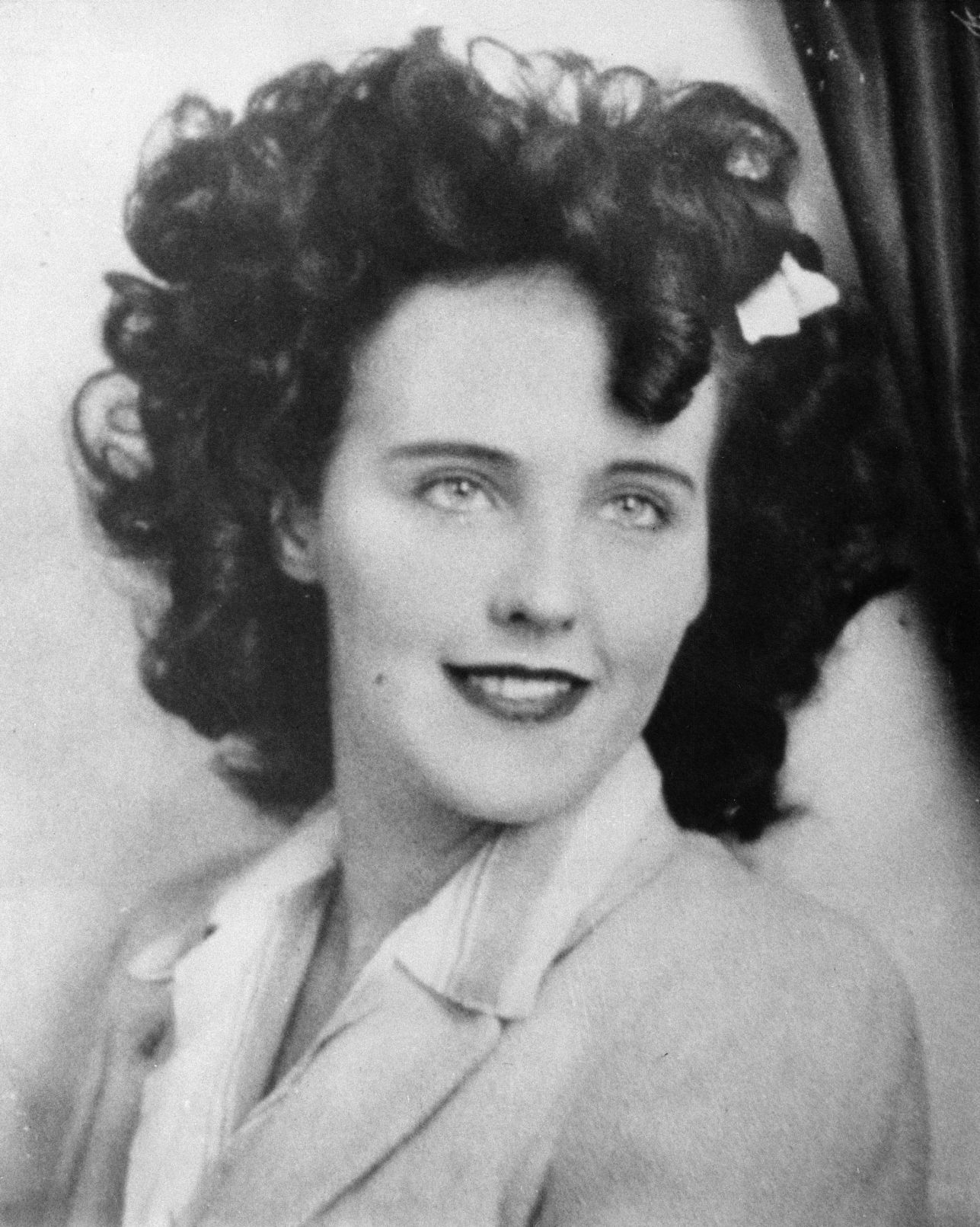
Elizabeth Short
Elizabeth Short
Photo creditLos Angeles Police Department, 1947 / Wikimedia Commons · Public domain (U.S.). Cropped/resized.

Elizabeth Short’s body was found in Los Angeles in January 1947. Newspapers called her the Black Dahlia, and the unsolved killing generated decades of theories and fictional treatments. No later book’s proposed suspect should be treated as an officially established killer.

CASE 017Los Angeles, California

1986

Sherri Rasmussen & Stephanie Lazarus

Sherri Rasmussen was killed in her Los Angeles home in 1986. Investigators initially treated the attack as a burglary, but preserved DNA evidence eventually pointed to police detective Stephanie Lazarus, a former girlfriend of Rasmussen’s husband. Lazarus was arrested more than two decades after the crime and convicted of murder.

CASE 063San Luis Obispo, California

1996

Kristin Smart

Nineteen-year-old college student Kristin Smart disappeared after a party in San Luis Obispo in 1996. Paul Flores, who had walked with her that night, remained central to the investigation for years. He was convicted of her murder in 2022, following renewed scrutiny of evidence and a long campaign by Kristin’s family.

Fame, money & betrayal

7 cases
CASE 115New York, California & Texas

1982–2001

Robert Durst

Robert Durst became the focus of investigations involving his missing wife Kathie, his friend Susan Berman, and neighbor Morris Black. He was acquitted in Black’s death after claiming self-defense, but convicted of Berman’s murder in 2021. The Jinx brought renewed attention to the overlapping cases.

CASE 086Los Angeles, California

1969

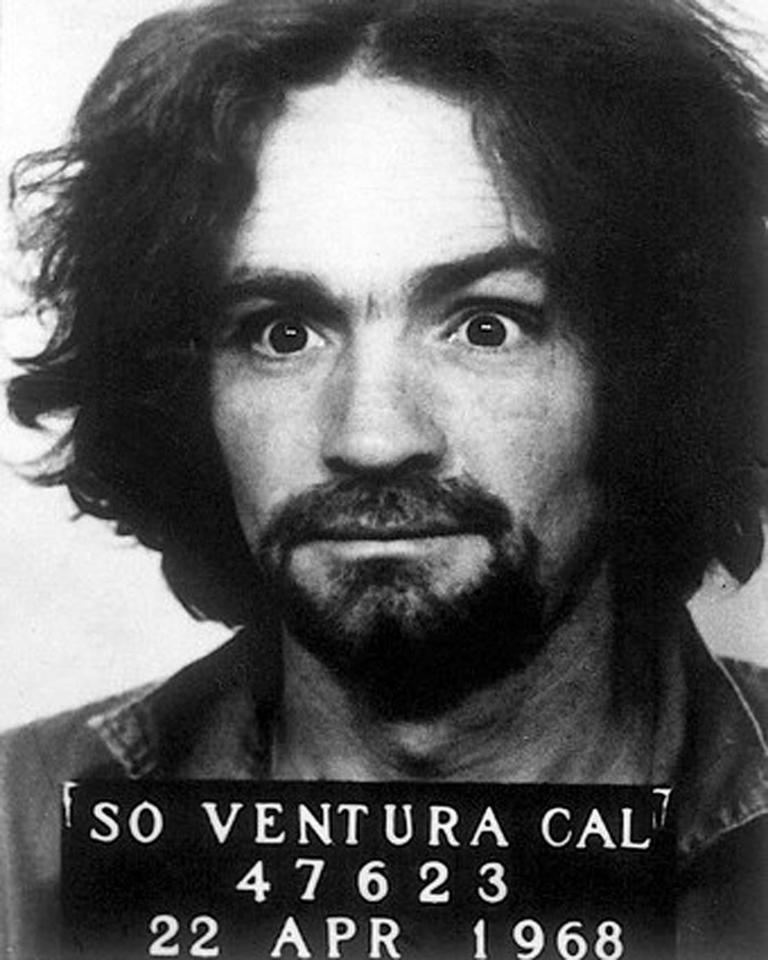
Charles Manson & the Tate–LaBianca murders

In August 1969, followers of Charles Manson murdered Sharon Tate and others at her home, then killed Leno and Rosemary LaBianca the following night. Manson and several followers were convicted. The extensive media coverage often examines how he directed and controlled the group.

CASE 106Redding, California

2016

Sherri Papini

Sherri Papini claimed she had been kidnapped in California in 2016 and blamed two Latina women. Investigators later determined she had stayed with a former boyfriend. She pleaded guilty in 2022 to mail fraud and making false statements, after years of public concern over the supposed abduction.

CASE 025Fresno, California

1992

The Ewell family murders

Dale and Glee Ewell and their daughter Tiffany were shot dead in their California home in 1992. Their surviving son, Dana, stood to inherit the family fortune. Investigators uncovered a murder plot involving Dana and a friend, and both were convicted. The apparent family tragedy became a case about a son arranging his relatives’ deaths for money.

CASE 113Los Angeles, California

1980

Dorothy Stratten

Dorothy Stratten
Dorothy Stratten
Photo creditAssociated Press / Syracuse Herald-Journal, 30 April 1980 · Public domain (U.S.). Cropped/resized.

Dorothy Stratten, a model and actress beginning a film career, was killed in 1980 by her estranged husband Paul Snider, who then killed himself. Books, reporting, and dramatizations have examined his controlling behavior and the pressures surrounding her rise to fame.

CASE 112Los Angeles, California

1989

Rebecca Schaeffer

Rebecca Schaeffer
Rebecca Schaeffer
Photo creditCBS Network, via Wikimedia Commons · Public domain (U.S.). Cropped/resized.

Actress Rebecca Schaeffer was shot at her Los Angeles door in 1989 by stalker Robert Bardo. He had obtained her address through a private investigator. Her death drew attention to access to personal records and became a prominent case in the campaign for stronger anti-stalking protections.

CASE 114Alhambra, California

2003

Lana Clarkson & Phil Spector

Phil Spector
Phil Spector
Photo creditNew York World-Telegram & Sun / Library of Congress; photographer unknown · Public domain (U.S.). Cropped/resized.

Lana Clarkson died from a gunshot at music producer Phil Spector’s home in 2003. After an initial trial ended without a verdict, Spector was convicted of second-degree murder in 2009. Reporting and films examine the evidence and the power imbalance surrounding the case.

Disputed justice

3 cases
CASE 092Los Angeles, California

1994

Nicole Brown Simpson & Ron Goldman

Nicole Brown Simpson and Ron Goldman were stabbed to death in Los Angeles in 1994. O. J. Simpson was acquitted in the criminal trial and later found liable for their deaths in a civil case. Books and documentaries examine the evidence, the proceedings, and their different outcomes.

CASE 044California, United States

1988

Carol & Dan Montecalvo

Carol Montecalvo was killed in California in 1988. Her husband Dan said burglars had attacked them, but investigators accused him of murdering her for financial gain, and he was convicted. A later burglary confession raised questions about the case; prosecutors rejected that account, leaving sharply conflicting versions of what happened.

Environment & corporate accountability

1 cases

Workplace rights & discrimination

1 cases
CASE 205Delano and Sacramento, California

1962–1975

Cesar Chavez, Dolores Huerta & the farmworker movement

Cesar Chavez, Dolores Huerta and farmworkers organized strikes, boycotts and a union campaign to improve agricultural working conditions. Their story includes collective action by Mexican American and Filipino workers. Books and films explore both the movement’s achievements and tensions within its leadership.

Civil rights & equality

2 cases

Disability & access

1 cases
CASE 214New York and San Francisco, California

1970–1990

Judy Heumann & the disability-rights movement

Judy Heumann challenged exclusion from education and employment and helped organize the 1977 Section 504 sit-in. Her memoir and Crip Camp connect personal experience to collective action for accessibility and civil rights. The story includes the community that formed around a summer camp for disabled young people.

Journalism, whistleblowers & accountability

1 cases

Financial crises & corporate fraud

1 cases

BEYOND THE HEADLINE

A good story invites curiosity.
A good source gives it direction.

How we approach true stories