A vacationing couple was killed in Ocean City in May 2002. The investigation led to charges against Erika and Benjamin Sifrit and examined evidence recovered after an unrelated police encounter.
Ten people were killed and three others critically wounded in the Washington-area sniper attacks of October 2002. A multiagency investigation led to the arrest of John Allen Muhammad and Lee Boyd Malvo and subsequent prosecutions. The book 23 Days of Terror and the documentary I, Sniper explore the victims’ experiences, the investigation and the relationship between the perpetrators.
Stephen Hricko died during a Valentine's weekend hotel stay in 1998. Findings inconsistent with accidental smoke inhalation led investigators to examine poisoning, a room fire, and his wife Kimberly's actions.
An undercover investigation recorded politician Ruthann Aron's attempt to arrange the deaths of her husband and an attorney. After a hung jury, she entered a no-contest plea.
Jasper “Jack” Watkins was killed in 1996, but authorities did not identify his remains until 2003. That identification helped expose a financial scheme involving Nancy Siegel, who had used his identity and continued collecting his benefits after his death. A federal jury convicted her of second-degree murder-witness tampering and multiple fraud offenses in 2009, and she received a 400-month sentence. Snapped follows the investigation; the federal announcements document the verdict and punishment.
Joe Metheny killed Catherine Magaziner and Kimberly Spicer in Baltimore, concealing their remains on the grounds of the pallet business where he worked. The investigation exposed violence against women living in vulnerable circumstances. His sensational claims about additional crimes attracted headlines, but those claims should not be confused with the murders established in court.
Gina Marie Nueslein, 22, was found shot to death in Gunpowder State Park in January 1993. Baltimore police sergeant James Allen Kulbicki, with whom she had a child, was convicted of her murder at a 1995 retrial. Later proceedings challenged the forensic evidence: in 2020, a Maryland appellate court directed that a writ of actual innocence be issued and the case returned for further proceedings.
Robert and Kathryn Swartz were killed in their home near Annapolis in January 1984. Their adopted son Larry pleaded guilty to second-degree murder. The family history became the subject of Leslie Walker’s book Sudden Fury and a television adaptation.
Twenty-two-year-old Stephanie Roper was abducted and murdered in Maryland in 1982. Her parents’ experience of the criminal proceedings led them to campaign for a voice for victims and families in court. Their work grew into the Maryland Crime Victims’ Resource Center.
Sisters Katherine and Sheila Lyon disappeared after visiting Wheaton Plaza in Maryland in March 1975. A renewed investigation decades later led to Lloyd Lee Welch’s guilty pleas to their murders in 2017. Mark Bowden’s The Last Stone follows the cold-case detectives and the difficult work of testing Welch’s accounts.
Penny Chenery took over the family’s Meadow Stable as her father’s health declined. In 1973, Secretariat won the Kentucky Derby, Preakness and Belmont Stakes, becoming the first Triple Crown winner in 25 years. The film Secretariat dramatizes Chenery’s role, while racing-history sources document the horse’s performances.
Biologist and writer Rachel Carson investigated how pesticide use harmed wildlife and ecosystems. Silent Spring challenged assumptions about chemical safety and brought the issue to a wide audience. Her work helped stimulate public demands for stronger environmental oversight, although later regulatory decisions involved many people and scientific reviews.
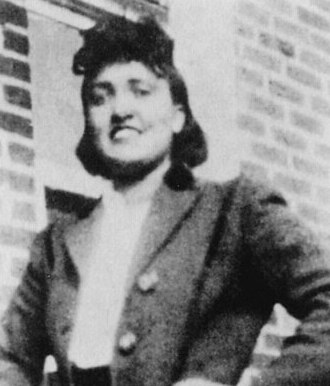
Cells taken during Henrietta Lacks’s cancer treatment in 1951 became a widely used research cell line without her knowledge or consent. Her family’s search for answers exposed the human story behind HeLa and prompted scrutiny of research consent, privacy and access to genetic information.
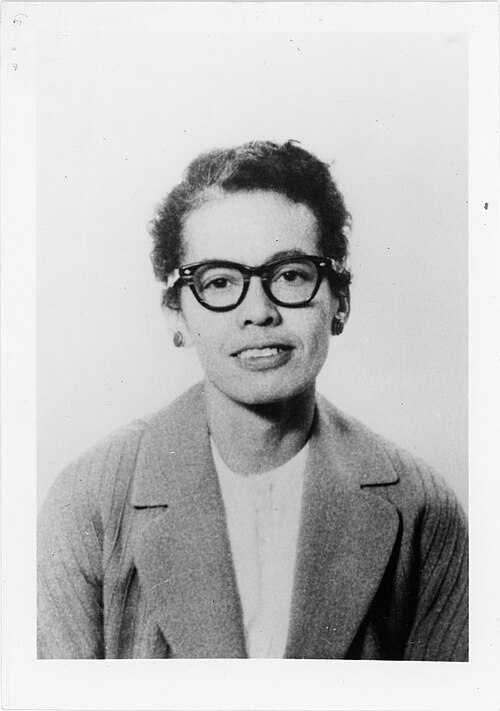
Lawyer, writer and activist Pauli Murray challenged racial and sex discrimination and developed legal arguments that influenced other civil rights advocates. Murray’s life also crossed boundaries of gender, faith and professional access. The memoir and documentary restore context to a figure often left out of familiar accounts.
Dion Smith, a 24-year-old father and youth worker, was found shot in a Baltimore home. Recordings outside the residence helped investigators examine a visitor's movements and the accounts of other occupants.