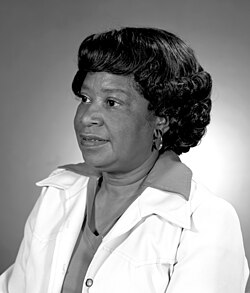
Nurse and mother Mamta Kafle Bhatt disappeared in Virginia in 2024. Her husband Naresh Bhatt was accused of killing her; the linked reports cover the evidence and trial proceedings. Charges are allegations, not proof of guilt.
High-school football player KJ Taylor was killed in a drive-by shooting outside a convenience store in 2021. Investigators used recordings to trace a truck seen following his group before the attack.
Restaurant worker Joshua Webb was shot outside a Beckley apartment building in 2018. Investigators followed a trail of security recordings to test conflicting accounts and identify those involved.
Dawn Meade was found dead outside an apartment complex in 2017. Investigators examined security footage to determine whether the circumstances pointed to an accident or a deliberate act.
Alexis Murphy disappeared in Virginia in 2013 after being recorded at a gas station. Surveillance and physical evidence led to Randy Taylor’s conviction for her murder in 2014. Her remains were recovered years later, bringing an answer about her whereabouts to her family.
Skylar Neese left her West Virginia home with friends Rachel Shoaf and Shelia Eddy in 2012 and did not return. Investigators eventually learned the two had killed her in Pennsylvania. Their guilty pleas exposed a planned murder behind months of misleading accounts about her disappearance.
Morgan Harrington disappeared after a concert in 2009, and Hannah Graham disappeared after a night out in 2014. DNA and other evidence connected their Virginia murders to Jesse Matthew. He pleaded guilty in 2016, linking investigations that had initially unfolded years apart.
William “Bill” McGuire disappeared from Woodbridge in April 2004. The discovery of his remains along the Virginia coast brought investigators in two states into the case. His wife, Melanie McGuire, was convicted of murder and related offenses in 2007 and sentenced to life plus an additional term for perjury. New Jersey’s appellate court upheld the verdict and sentence in 2011. The linked prosecution announcement and court opinion document the findings behind the widely televised case.
Carrie Ann Williams, 26, was found shot to death in the Richmond area in 2002 after finishing work at Hooters. Her boyfriend Raleigh Campbell was charged, but a jury acquitted him. The case appears in The Hooters Murders: Deadly Shift. The 2026 coverage describes the killing as unresolved; the acquittal must remain clear when reading older accounts of the investigation.
Ten people were killed and three others critically wounded in the Washington-area sniper attacks of October 2002. A multiagency investigation led to the arrest of John Allen Muhammad and Lee Boyd Malvo and subsequent prosecutions. The book 23 Days of Terror and the documentary I, Sniper explore the victims’ experiences, the investigation and the relationship between the perpetrators.
Tina Louise Foster, 20, disappeared in Roanoke in January 2001 after meeting a man who offered to photograph her for modeling. She was later found dead in her car. Christopher Haynes pleaded guilty to her murder in January 2002 and was sentenced to life imprisonment that March. Contemporary local television reports preserve the investigation and sentencing coverage; the 2026 Hooters documentary revisits her story alongside four other cases.
Twelve-year-old Jeremy Bell died during a trip with his elementary-school principal. His family’s search for answers and the later investigation exposed serious questions about school oversight and the handling of evidence.
Patients, families, clinicians and investigators confronted a growing opioid crisis as prescription painkillers spread through communities. Beth Macy’s reporting follows the human consequences and the practices of the pharmaceutical industry. Dopesick dramatizes the history through a mixture of real events and composite characters.
Jasper “Jack” Watkins was killed in 1996, but authorities did not identify his remains until 2003. That identification helped expose a financial scheme involving Nancy Siegel, who had used his identity and continued collecting his benefits after his death. A federal jury convicted her of second-degree murder-witness tampering and multiple fraud offenses in 2009, and she received a 400-month sentence. Snapped follows the investigation; the federal announcements document the verdict and punishment.
Lorena Bobbitt severed her husband John’s penis in Virginia in 1993 and described years of abuse during the ensuing proceedings. She was acquitted by reason of temporary insanity. The heavily sensationalized coverage later became the subject of documentaries examining domestic violence and media treatment.
Derek and Nancy Haysom were stabbed to death in their Virginia home in 1985. Their daughter Elizabeth and her boyfriend Jens Soering fled abroad before being arrested. Elizabeth pleaded guilty as an accessory, and Soering was convicted of murder. His later challenges to the case fueled a long-running dispute over responsibility and evidence.
Sisters Katherine and Sheila Lyon disappeared after visiting Wheaton Plaza in Maryland in March 1975. A renewed investigation decades later led to Lloyd Lee Welch’s guilty pleas to their murders in 2017. Mark Bowden’s The Last Stone follows the cold-case detectives and the difficult work of testing Welch’s accounts.
Penny Chenery took over the family’s Meadow Stable as her father’s health declined. In 1973, Secretariat won the Kentucky Derby, Preakness and Belmont Stakes, becoming the first Triple Crown winner in 25 years. The film Secretariat dramatizes Chenery’s role, while racing-history sources document the horse’s performances.
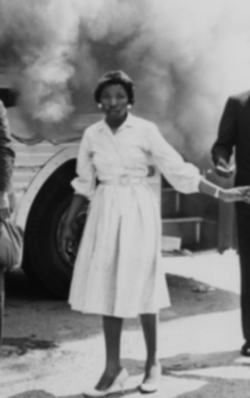
Interracial groups rode buses through the South to challenge segregation in interstate travel. Riders endured mob attacks, arrests and imprisonment while demanding enforcement of existing court rulings. The campaign helped force federal action against segregated interstate bus facilities.
Mildred and Richard Loving were prosecuted under Virginia’s ban on interracial marriage after marrying in Washington, D.C. Their challenge reached the U.S. Supreme Court. In 1967, Loving v. Virginia struck down state bans on interracial marriage, changing constitutional protections for couples nationwide.
Families and NAACP lawyers challenged segregated public schooling through cases that reached the Supreme Court together. Brown v. Board of Education rejected racial segregation in public schools in 1954. Simple Justice follows the legal strategy and the people behind that constitutional decision.
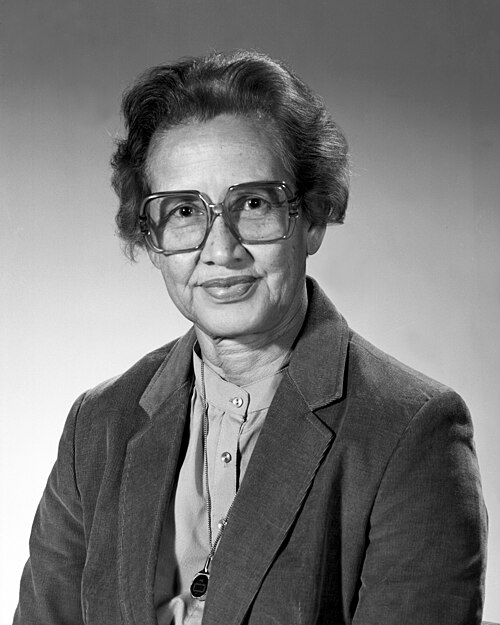
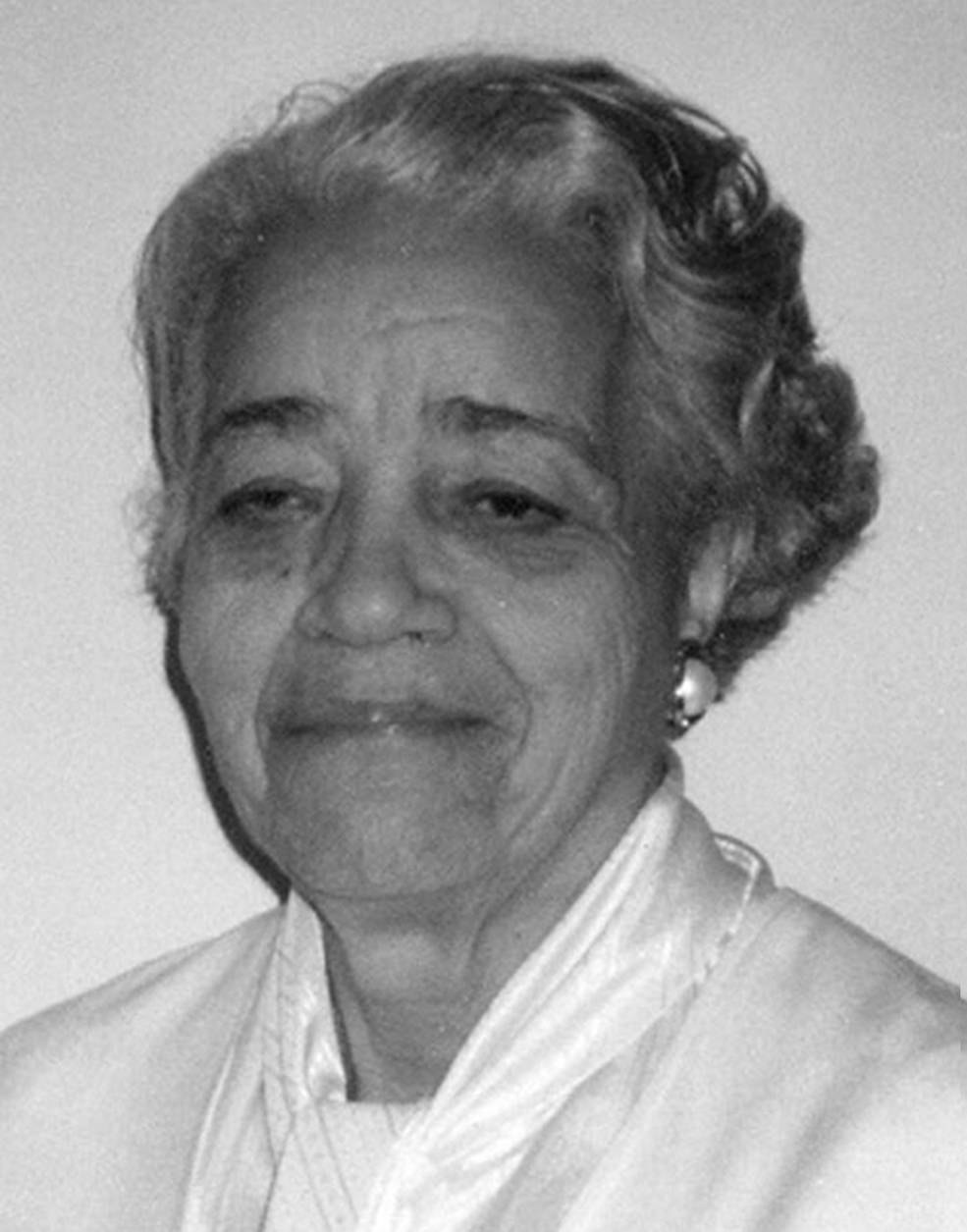
Black women mathematicians and engineers at Langley contributed to American aviation and the space program while working within racial and gender barriers. Hidden Figures brings together the stories of Katherine Johnson, Dorothy Vaughan, Mary Jackson and their colleagues; the film focuses on a smaller group and shorter period.
Cindy Mudd, 71, disappeared in Kanawha County. Investigators followed a sequence of surveillance recordings while searching for her and examining the people involved.
Nancy Dunning, Ronald Kirby, and Ruthanne Lodato were shot at their homes in Alexandria. Investigators examined surveillance footage while looking for connections between the separate killings.