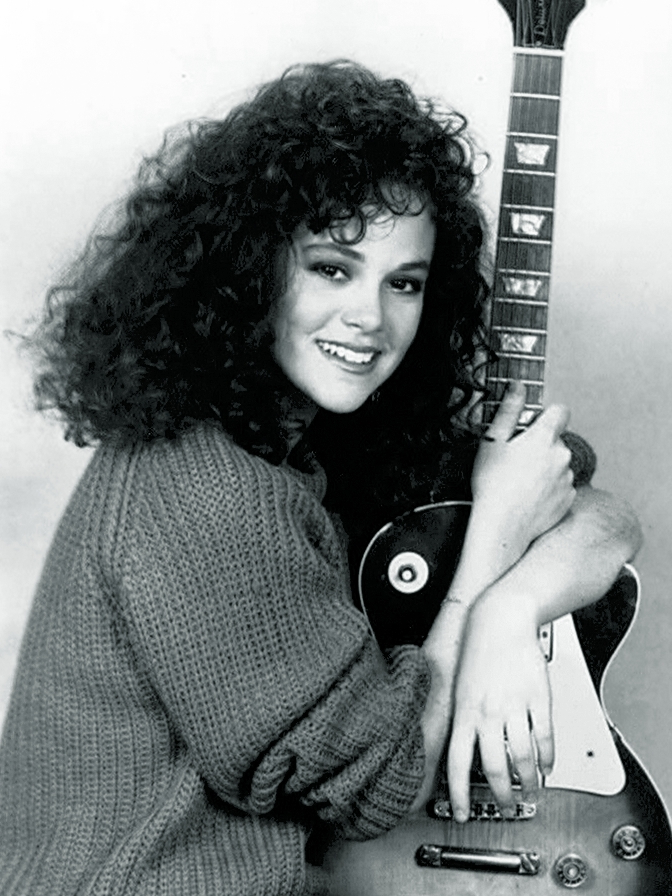
Actress Rebecca Schaeffer was shot at her Los Angeles door in 1989 by stalker Robert Bardo. He had obtained her address through a private investigator. Her death drew attention to access to personal records and became a prominent case in the campaign for stronger anti-stalking protections.
Brian Britton shot his parents, Dennis and Marlene, his brother Jason, and his sister Sherry in March 1989. Sherry survived. Evil Lives Here presents her account of the family killings and the lasting effects of the attack.
Five teenagers were wrongly convicted after the 1989 assault of jogger Trisha Meili in Central Park. Their convictions were vacated in 2002 after another man confessed and DNA supported his account. Documentary and dramatic treatments examine the interrogations, racialized coverage, and consequences for the five.
Brian, Melissa, Kathryn, and Emily DeLisle drowned when the family car entered the Detroit River in 1989. Their father Larry was convicted of murder. The Confession Tapes examines the disputed interrogation and his account that the crash was accidental.
Barbara Stager said her husband Russ’s fatal shooting in their North Carolina bedroom in 1988 was an accident. Investigators questioned her account and examined the earlier shooting death of her first husband. Russ had recorded concerns about his safety before his death. Barbara was convicted of his murder.
Brenda Sue Schaefer disappeared in Kentucky in 1988. Mel Ignatow was acquitted of her murder, but photographs discovered afterward showed the crime and corroborated an accomplice’s account. Double-jeopardy protections prevented another murder trial. The case became notorious for the gap between later evidence of guilt and the finality of an acquittal.
Carol Montecalvo was killed in California in 1988. Her husband Dan said burglars had attacked them, but investigators accused him of murdering her for financial gain, and he was convicted. A later burglary confession raised questions about the case; prosecutors rejected that account, leaving sharply conflicting versions of what happened.
Ellen Boehm killed her young sons David and Steven in St. Louis in 1988 and 1989 and also attacked her daughter, who survived. Insurance and financial evidence helped expose the pattern behind the children’s deaths. She pleaded guilty in 1992.
Laurie Dann entered an elementary school in Winnetka, Illinois, in 1988 and opened fire, killing eight-year-old Nicholas Corwin and wounding other children. The shooting was part of a day of violence that also involved fires and poisoned food. Dann later died by suicide, leaving investigators and families to reconstruct the warning signs and attacks.
Lieth von Stein was killed and his wife, Bonnie, seriously wounded in their North Carolina home in 1988. Investigators traced the attack to a plan involving Bonnie’s son, Chris Pritchard, and accomplices. Money and inheritance were central to the prosecution. Coverage also focused on the young defendants’ social circle and role-playing interests.
People confronting AIDS organized protests, studied medical research and challenged government agencies over access to treatment. ACT UP and the Treatment Action Group helped reshape relationships between patients, researchers and regulators. How to Survive a Plague follows activists through illness, disagreement, loss and scientific progress.
Nurse Charles Cullen killed patients while working in New Jersey and Pennsylvania hospitals. His colleague Amy Loughren helped investigators uncover what was happening. A reported book, a dramatized film and a companion documentary explore the murders and questions about how hospitals handled warning signs.
Chippendales founder Somen “Steve” Banerjee’s business success was followed by murder-for-hire plots, including the killing of choreographer Nick De Noia. Deadly Dance and its television adaptation examine the rivalry; reporting helps separate the documented investigation from dramatic invention.
Cheryl Keeton was found dead in her van in Oregon in 1986 during a bitter dispute with former husband Bradly Cunningham. The case remained unresolved for years before investigators assembled the evidence that led to his murder conviction. Her death left three children at the center of a long struggle for answers and custody.
Flight attendant Helle Crafts disappeared from Connecticut in 1986, and her husband Richard offered explanations for her absence. Investigators recovered tiny human remains and other evidence connected to a wood chipper. The forensic work showed that she had been killed and her body destroyed. Richard Crafts was convicted of murder.
Nineteen-year-old Jeanne Clery was sexually assaulted and murdered in her Lehigh University dormitory in 1986. Her parents challenged campus security practices and the lack of public crime information. Their advocacy helped establish national campus-safety disclosure requirements.
Eighteen-year-old Jennifer Levin was found strangled in New York’s Central Park in 1986. Robert Chambers, who had left a bar with her, claimed she died during a sexual encounter. He later pleaded guilty to manslaughter. The “Preppy Murder” coverage became notorious for scrutiny of Jennifer’s private life and treatment of the victim.
Stanley Cohen was killed at his Miami home in 1986. His wife Joyce reported intruders, and investigators examined the account alongside evidence of a planned killing.
Paula Sims reported that masked kidnappers had taken two of her infant daughters in separate incidents in 1986 and 1989. Both children were found dead. The investigation led to her conviction in Heather’s death and later admissions concerning both daughters.
Sherri Rasmussen was killed in her Los Angeles home in 1986. Investigators initially treated the attack as a burglary, but preserved DNA evidence eventually pointed to police detective Stephanie Lazarus, a former girlfriend of Rasmussen’s husband. Lazarus was arrested more than two decades after the crime and convicted of murder.
Bruce Nickell and Sue Snow died after taking cyanide-laced Excedrin in Washington in 1986. Investigators determined that Bruce’s wife, Stella Nickell, poisoned him and placed tampered bottles in stores to disguise his death as part of a random product attack. Her scheme killed a second person and led to a federal conviction.
Seven crew members died when Challenger broke apart shortly after launch in January 1986. Investigators examined technical failure, engineering warnings and NASA’s decision-making. The book and documentary series revisit the crew’s lives and the institutional choices behind the disaster.
Walter McMillian was sentenced to death for a murder he did not commit. Bryan Stevenson and his colleagues challenged the prosecution’s evidence and helped secure his release. Just Mercy follows that case within Stevenson’s wider work defending people facing wrongful convictions and extreme punishment.
Detroit psychologist Alan Canty disappeared in 1985 while concealing a second life from his wife. Investigators uncovered his involvement with a young woman and her violent associate, John “Lucky” Fry. Canty had been murdered, and the discovery forced his family to confront both the killing and the deception that preceded it.