Twelve-year-old Brenda Gere disappeared from her family’s Washington home in September 1985. The search devastated her parents and drew investigators toward Michael Kay Green, a man with a history of violence. The case followed the family’s struggle to learn what had happened after an ordinary afternoon became their daughter’s disappearance.
Derek and Nancy Haysom were stabbed to death in their Virginia home in 1985. Their daughter Elizabeth and her boyfriend Jens Soering fled abroad before being arrested. Elizabeth pleaded guilty as an accessory, and Soering was convicted of murder. His later challenges to the case fueled a long-running dispute over responsibility and evidence.
Narcotics detective Dennis Yaklich was shot in December 1985. The investigation examined the circumstances of the attack and the role of his wife Donna amid accounts of violence within the marriage.
Fourteen-year-old Cinnamon Brown shot her stepmother, Linda, in California in 1985 and initially took responsibility. Investigators later uncovered a plot directed by Cinnamon’s father, David Brown, who stood to benefit financially. The case revealed how he manipulated his daughter into killing and accepting the blame, leading to further convictions.
Seventeen-year-old Michele “Missy” Avila was lured into the Angeles National Forest and drowned in 1985. Her friends Karen Severson and Laura Doyle were eventually convicted of killing her. The case was especially disturbing because the killers remained close to Missy’s grieving family while the crime was still being investigated.
Kathryn Eastburn and her daughters Kara and Erin were killed in North Carolina in 1985; another daughter survived. Timothy Hennis was first convicted, then acquitted at a retrial. Later DNA evidence led to a military prosecution and another conviction, making the case unusual for its sequence of civilian and military trials.
Doreen Erbert was killed at her California home on Halloween in 1984 by her former husband William Michael Dennis, who arrived in disguise. Her pregnancy also ended in the attack, while her daughter survived by hiding. Dennis was convicted in the case.
Seventeen-year-old Gary Lauwers was killed in the woods in Northport, New York, in 1984. Ricky Kasso was arrested, and accounts connected the attack to a dispute within a drug-using teenage group. Reports of occult references fueled a national “Satanic panic.” Kasso died by suicide before his case could go to trial.
A 1984 hardware-store fire killed four people in South Pasadena. Fire investigator John Orr was later convicted of murder and arson. Reporting, books, a podcast, and dramatizations examine how an investigator came to be identified as the arsonist.
Fifteen-year-old Kirsten Costas was stabbed to death by schoolmate Bernadette Protti in Orinda, California, in 1984. The attack followed an evening outing and months of resentment over social acceptance. Protti’s involvement emerged after a lengthy investigation. The killing brought national attention to teenage jealousy, status, and violence in an affluent community.
Lisa McVey survived an abduction and assault by Bobby Joe Long in Florida in 1984. After her release, her detailed observations helped investigators identify him. Her account and the Lifetime film Believe Me emphasize both her survival and the importance of being believed.
Maria Marshall was shot dead at a New Jersey roadside stop in 1984. Her husband, Robert, claimed they had been attacked during a robbery. Investigators instead uncovered a plan to have Maria killed for insurance money. Robert Marshall was convicted, and the case exposed the murder plot beneath the family’s prosperous public image.
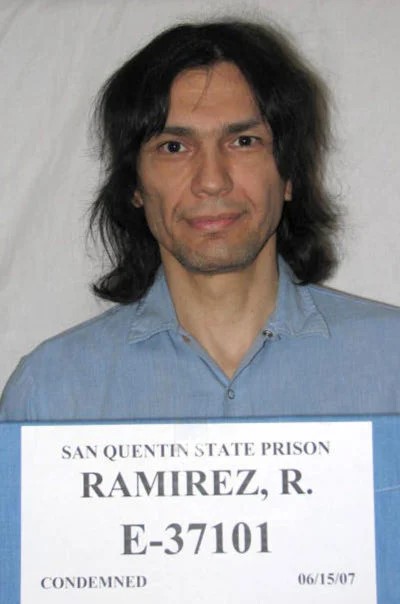
Richard Ramirez entered homes across California during a series of murders, sexual assaults, and other attacks in 1984 and 1985. Public identification helped end the manhunt. The crimes and the investigation became widely known through reporting about the Night Stalker.
Robert and Kathryn Swartz were killed in their home near Annapolis in January 1984. Their adopted son Larry pleaded guilty to second-degree murder. The family history became the subject of Leslie Walker’s book Sudden Fury and a television adaptation.
Diagnosed with AIDS at 13 in 1984 after receiving contaminated blood products for hemophilia, Ryan White faced exclusion from school and widespread fear of HIV. His effort to return to the classroom made him a national advocate against stigma. He died in 1990; the federal HIV care program named for him began that year.
Teresa Taylor was killed by her husband, dentist Kenneth Taylor, in 1984. Her death left their infant son, Andrew, caught between relatives in a bitter custody struggle. Kenneth was convicted of murder, but the legal fight over the child continued, making the family’s ordeal a national story as well as a homicide case.
A series of killings struck the extended Lynch and Newsom families in Kentucky and North Carolina in 1984 and 1985. The investigation centered on Susie Lynch and her cousin Fred Klenner amid family conflict and a custody dispute. The violence ended during a police pursuit with an explosion that also killed Lynch’s two children.
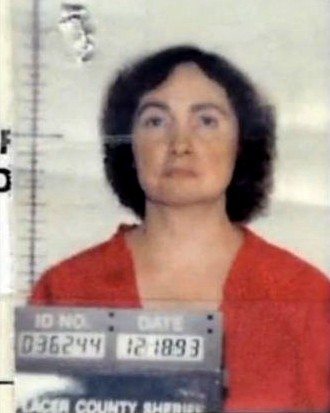
Suesan and Sheila Knorr died in separate incidents in California after prolonged abuse by their mother, Theresa Knorr. Other children in the household were drawn into concealing the crimes. Their surviving sister Terry later helped bring the deaths to investigators’ attention. Theresa pleaded guilty to murdering both daughters.
Diane Downs drove her three wounded children to an Oregon hospital in 1983, claiming a stranger had shot them beside the road. Cheryl died; Christie and Danny survived serious injuries. Investigators challenged their mother’s account, and Christie testified against her. Downs was convicted of murder and the attempted murders of her surviving children.
Karla Faye Tucker and Danny Garrett killed Jerry Dean and Deborah Thornton during a 1983 attack in Houston. Tucker was convicted of capital murder. Her later religious conversion and requests for clemency brought international attention to the case before her 1998 execution, while the victims’ families faced renewed public scrutiny of their losses.
Rozanne Gailiunas was attacked in her Texas home in 1983 and died from her injuries. Investigators eventually uncovered a murder-for-hire plot connected to Joy Aylor, whose husband had been involved with Rozanne. Aylor fled overseas before being brought back to face justice, extending the case across years and international borders.
Tracey Thurman survived a severe attack by her husband in Connecticut in 1983 after seeking police protection. Her civil lawsuit challenged the police response to domestic violence and resulted in a landmark verdict. A Cry for Help dramatizes her experience and fight for accountability.
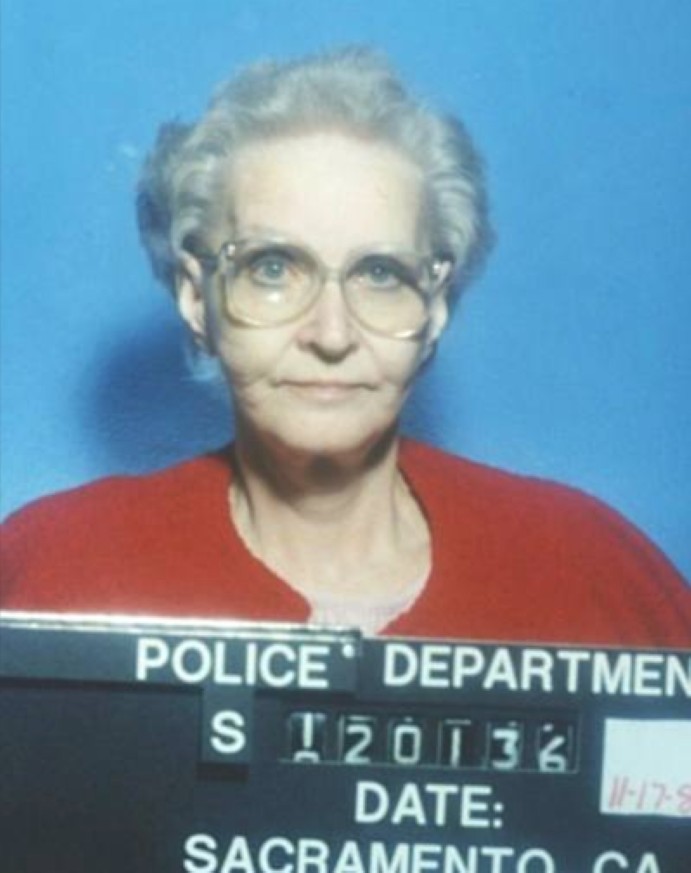
Police searching Dorothea Puente’s Sacramento boarding house in 1988 found bodies buried in the yard. Puente had been collecting benefit checks belonging to vulnerable tenants, some of whom had disappeared. The discoveries contradicted her image as a caring landlady. She was ultimately convicted of three murders.
James and Virginia Campbell were shot while asleep in their Houston home in 1982. Their daughter Cynthia Campbell Ray and her former boyfriend David West were implicated in the killings. West testified about their plan, and Ray was convicted. The crime revealed a murder plot originating within the victims’ own family.