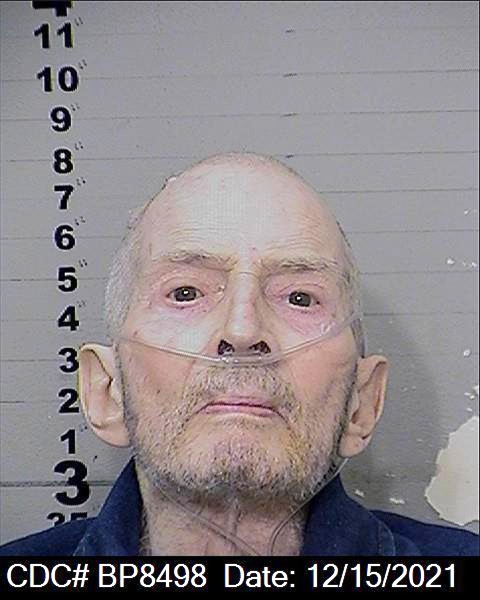
Robert Durst became the focus of investigations involving his missing wife Kathie, his friend Susan Berman, and neighbor Morris Black. He was acquitted in Black’s death after claiming self-defense, but convicted of Berman’s murder in 2021. The Jinx brought renewed attention to the overlapping cases.
Twenty-two-year-old Stephanie Roper was abducted and murdered in Maryland in 1982. Her parents’ experience of the criminal proceedings led them to campaign for a voice for victims and families in court. Their work grew into the Maryland Crime Victims’ Resource Center.
Seven people in the Chicago area died after taking cyanide-laced Tylenol in 1982. The killings brought a vast investigation and changes to product-tampering law, but no murder conviction. Netflix’s Cold Case: The Tylenol Murders revisits the evidence; September 2026 reporting describes a possible Idaho connection that authorities had not established as a solution.
Actress Theresa Saldana survived a stalker’s stabbing attack in Los Angeles in 1982 after a passerby intervened. Arthur Jackson was convicted. Saldana later wrote about the experience and advocated for crime victims, including through a television dramatization in which she portrayed herself.
Six-year-old Adam Walsh disappeared from a department store in Hollywood, Florida, in 1981 and was found murdered. His parents, John and Revé Walsh, became advocates for missing children. The case became the subject of the television drama Adam and John Walsh’s memoir.
Investigators searching Betty Lou Beets’s Texas property found the remains of two of her husbands, Doyle Wayne Barker and Jimmy Don Beets, buried near the home. Prosecutors said financial gain motivated Jimmy Don’s killing. Beets was convicted of his capital murder; the discovery of both bodies turned a missing-person investigation into a widely reported case.
Christine Schultz was killed in her Milwaukee home in 1981. Laurie Bembenek, who had married Schultz’s former husband, was convicted of the murder but disputed the evidence. Her 1990 prison escape and capture in Canada fueled national coverage. Later proceedings produced a no-contest plea to a reduced murder charge, rather than an exoneration.
Betty Gore was killed with an axe in her Texas home in 1980. Candy Montgomery, who had had an affair with Betty’s husband, admitted the killing but said she acted in self-defense. A jury acquitted her. The contrast between suburban family life and the violence brought extraordinary attention to the trial.
Blanche Taylor Moore’s husband became seriously ill with arsenic poisoning shortly after their wedding. The discovery prompted investigators to examine earlier deaths, including that of her boyfriend Raymond Reid. Moore was convicted of Reid’s murder in North Carolina. Suspicions about other deaths became part of the coverage, but were distinct from that conviction.
Dorothy Stratten, a model and actress beginning a film career, was killed in 1980 by her estranged husband Paul Snider, who then killed himself. Books, reporting, and dramatizations have examined his controlling behavior and the pressures surrounding her rise to fame.
Gary Ridgway killed women and girls in Washington, many of whom were vulnerable or working in the sex trade. Advances in DNA testing helped investigators arrest him in 2001. His guilty pleas resolved dozens of murders associated with the Green River investigation.
Twenty-one-year-old Helene Pruszynski was murdered in Colorado. The investigation remained unresolved for decades before a later investigative approach led detectives to her killer.
Kenneth Waters was wrongly convicted of killing Katharina Brow in Massachusetts. His sister Betty Anne became a lawyer while working to overturn the conviction. DNA testing helped establish his innocence in 2001, and their campaign became the basis of the film Conviction.
Paul Michael Stephani attacked women in Minnesota and made anonymous calls to police about his crimes. Survivors and the identification following an attack helped investigators connect him to the violence.
Paul Skalnik’s history as a conman and jailhouse informant became the subject of investigative reporting. The case raises questions about the incentives and reliability of informant testimony in Florida prosecutions.
Retired ship’s pilot Rolf Neslund disappeared from Washington’s Lopez Island in 1980. His wife Ruth offered explanations for his absence, but investigators assembled evidence that she had killed him and disposed of his remains. She was convicted even without a recovered body, ending years of uncertainty surrounding his disappearance.
Herb Brooks coached the U.S. men’s hockey team to a 4–3 victory over the Soviet Union at the 1980 Winter Olympics in Lake Placid. The Americans then defeated Finland 4–2 to secure the gold medal. Miracle dramatizes the team’s preparation, and the 2026 documentary Miracle: The Boys of ’80 adds archival footage and players’ recollections.
The killings and disappearances of Black children and young adults shook Atlanta from 1979 to 1981. Wayne Williams was convicted of murdering two adults; authorities attributed other deaths to him without separate trials. Families, journalists, and filmmakers have continued to question aspects of the investigation.
Sixteen-year-old Brenda Spencer fired at an elementary school from her San Diego home in 1979, killing two staff members and injuring children and a police officer. Her remark about disliking Mondays became notorious. The victims’ experiences form an essential part of the case beyond that phrase.
College student Catina Rose Salarno was killed by her former boyfriend Steven Burns. Her family’s continuing efforts concerning his imprisonment are a focus of the linked reporting.
Families in Woburn sought answers about childhood leukemia and contaminated municipal drinking-water wells. Their civil lawsuit became the subject of Jonathan Harr’s book and the film A Civil Action. Separate federal Superfund proceedings addressed cleanup of the Wells G&H site.
Franklin Bradshaw was found murdered at his auto-parts business in 1978. Investigators traced the killing to a plot involving family relationships and expectations of inheritance.
Jeffrey Dahmer murdered 17 men and boys between 1978 and 1991. When Tracy Edwards escaped his Milwaukee apartment, police discovered evidence of the killings. Reporting and documentaries have also examined missed opportunities to intervene and the experiences of victims’ families.
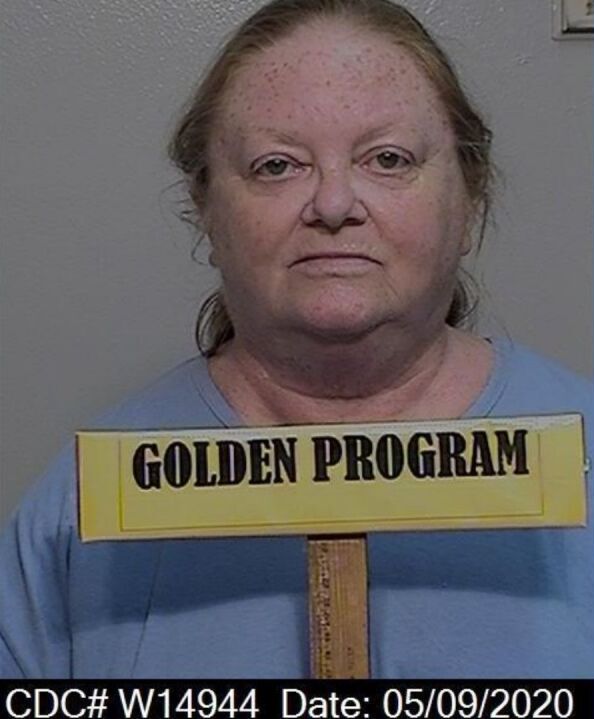
Colleen Stan was abducted while hitchhiking in 1977 by Cameron and Janice Hooker. She endured seven years of captivity, threats, and abuse before escaping. Books and screen adaptations examine how coercion helped keep her trapped even when she was sometimes outside the house.