After years of domestic violence, Francine Hughes set fire to the bed where her former husband, James Hughes, was sleeping in their Michigan home. She took her children out of the house and surrendered to police. Her 1977 trial ended in an acquittal by reason of temporary insanity and drew national attention to battered women’s experiences.
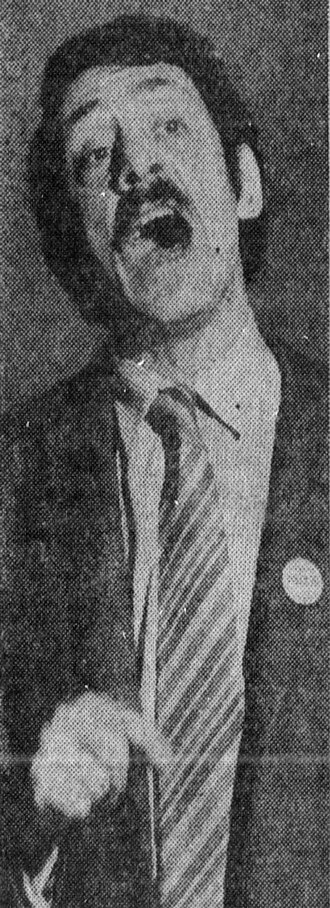
Harvey Milk built a political base in San Francisco’s Castro neighborhood and won election to the Board of Supervisors as an openly gay candidate. He advocated against discrimination before he and Mayor George Moscone were assassinated in 1978. His organizing and death became defining events in LGBTQ political history.
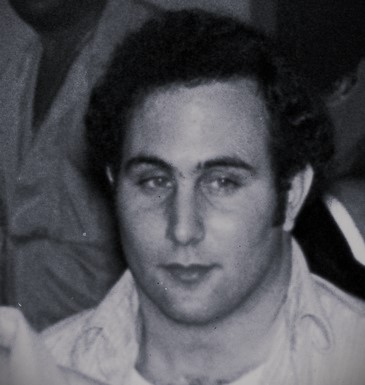
David Berkowitz killed six people and wounded others in shootings that frightened New York in 1976 and 1977. Letters using the name Son of Sam intensified the coverage. He pleaded guilty after his arrest; later media theories about accomplices go beyond those convictions.
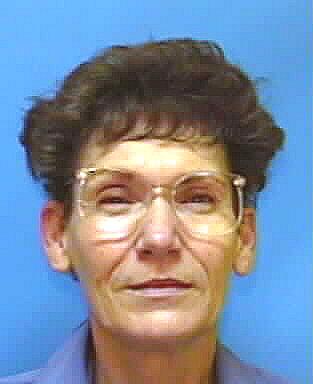
Audrey Marie Hilley poisoned her husband, Frank, with arsenic and later poisoned her daughter, Carol, who survived. Medical testing helped expose the Alabama crimes. Hilley fled while awaiting trial and lived under false identities before being caught. The case became known for both the family poisonings and the elaborate deception that followed.
Sisters Katherine and Sheila Lyon disappeared after visiting Wheaton Plaza in Maryland in March 1975. A renewed investigation decades later led to Lloyd Lee Welch’s guilty pleas to their murders in 2017. Mark Bowden’s The Last Stone follows the cold-case detectives and the difficult work of testing Welch’s accounts.
Women working at an iron mine in northern Minnesota challenged sexual harassment and workplace discrimination. Lois Jenson became a central plaintiff in the landmark class action. The book Class Action documents the litigation; North Country loosely reimagines it through fictionalized characters.
Fifteen-year-old Martha Moxley was killed with a golf club in Connecticut in 1975. Michael Skakel was convicted decades later, but his conviction was overturned and the charge eventually dismissed. The case’s books and documentaries span different stages of that changing legal history.
Four members of the Mark family were killed at their home in 1975. The investigation focused on a family connection; the resulting conviction and later challenges remained disputed by the defendant.
Dennis Rader murdered ten people in Kansas between 1974 and 1991 while maintaining a family and working life. Calling himself BTK in communications about the crimes, he resurfaced after years of silence. Investigators traced a computer disk to him before his 2005 arrest and guilty pleas.
Nuclear worker and union activist Karen Silkwood raised concerns about safety at a Kerr-McGee facility and experienced plutonium contamination. She died in a car crash while pursuing those concerns. Litigation over contamination reached the Supreme Court; the circumstances of her death remain separate from that civil case.
Nineteen-year-old Patty Hearst was kidnapped by the Symbionese Liberation Army in 1974 and later appeared in its bank-robbery surveillance footage. Her prosecution examined her participation alongside her account of coercion and abuse. She was convicted, then received a sentence commutation and later a presidential pardon; American Heiress revisits the events and their political setting.
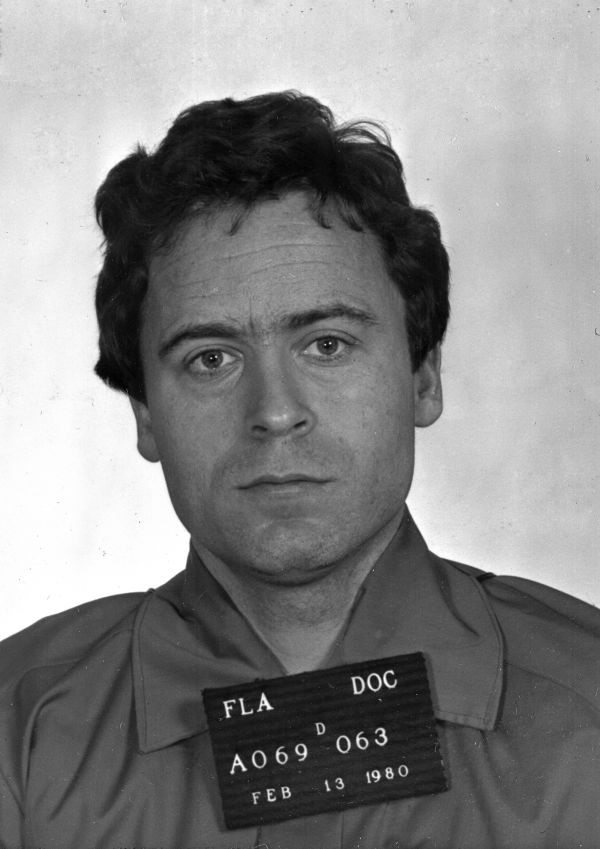
Ted Bundy abducted and murdered young women across several states during the 1970s, sometimes pretending to need help to approach them. After escaping custody, he attacked women in Florida. His trials, survivors’ accounts, and the investigation became the subjects of books and screen adaptations.
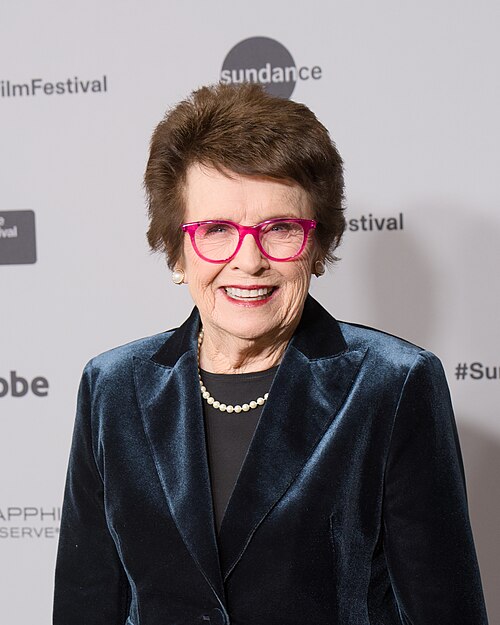
Billie Jean King used her position in professional tennis to press for equal opportunities and pay. Her televised match against Bobby Riggs in Houston became a widely watched confrontation over women’s abilities. All In recounts her broader life; Battle of the Sexes dramatizes the 1973 match and its context.
Textile worker Crystal Lee Sutton became a visible participant in the effort to unionize J. P. Stevens workers. Her protest and the wider organizing campaign inspired Norma Rae. The film fictionalizes her life, so the nonfiction account helps separate Sutton’s experience from the screen heroine.
Teacher Roseann Quinn was murdered in 1973. Investigators retraced her movements through New York's nightlife, while public discussion often focused on her social life instead of the violence committed against her.
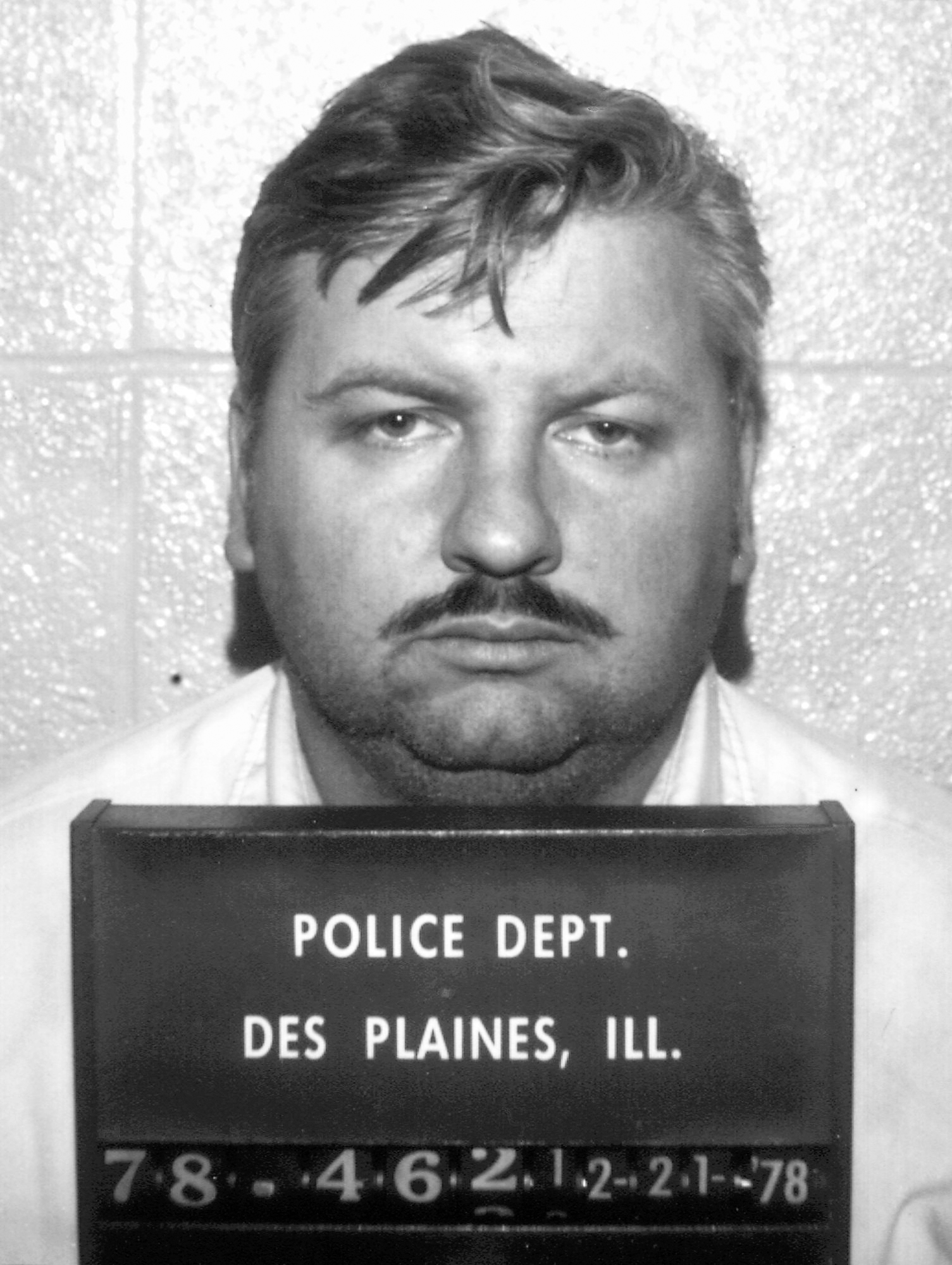
John Wayne Gacy murdered 33 boys and young men in Illinois. The disappearance of Robert Piest in 1978 led investigators to Gacy’s home, where many victims had been buried beneath the house. His respectable public persona contrasted with the crimes uncovered during the search.
Steven Stayner was abducted at seven by Kenneth Parnell in 1972 and held for more than seven years. In 1980 he escaped with another kidnapped child, Timmy White, and sought help. His return and the difficulties afterward inspired I Know My First Name Is Steven.
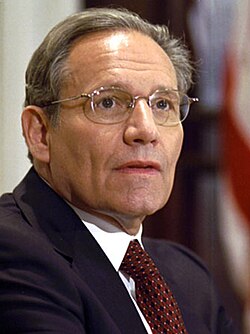
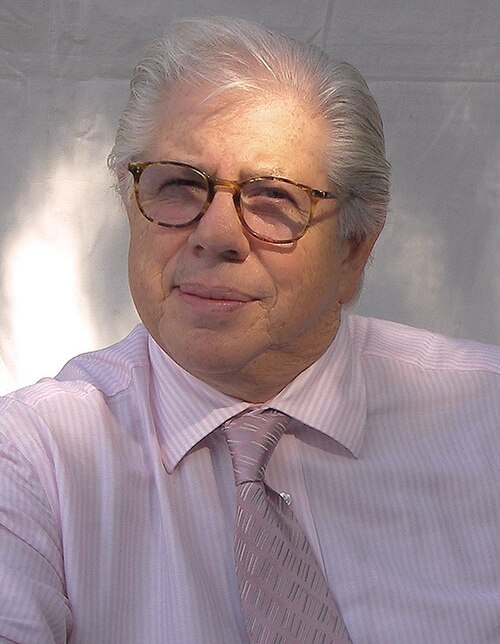
A break-in at Democratic Party headquarters led to investigations of political espionage and a White House cover-up. Bob Woodward and Carl Bernstein’s reporting was one part of a much larger process involving courts, Congress and investigators. Their book and film focus on the newsroom pursuit of the story.
Civil rights organizer Ann Atwater and Ku Klux Klan leader C. P. Ellis were brought together during a community process over school desegregation in Durham. Their unlikely relationship and Ellis’s eventual break with the Klan became the subject of The Best of Enemies.
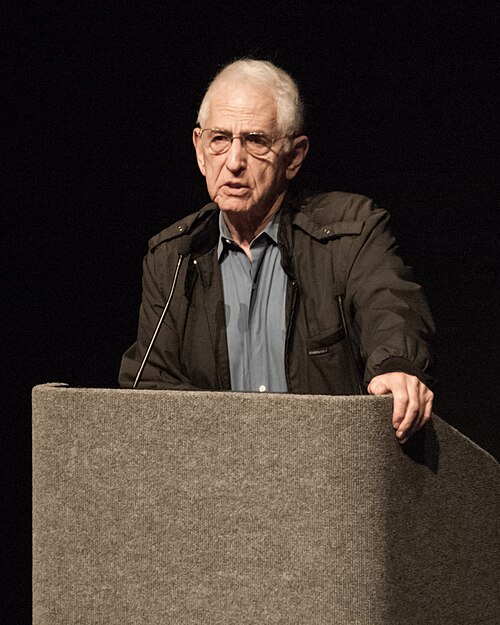
Daniel Ellsberg supplied newspapers with a classified study of U.S. decision-making in Vietnam. The disclosures set off a struggle over government secrecy and press freedom. His memoir and documentary examine the decision to leak the papers, the legal response and the people involved.
John List killed his mother, wife, and three children in their New Jersey home in 1971, then disappeared and established a new identity. A television appeal and an age-progressed sculpture helped lead to his arrest in 1989. He was subsequently convicted of the five murders.
Judy Buenoano poisoned her husband, drowned her son, and attempted to kill a fiancé with a car bomb. Investigators connected events that had initially been treated separately. Her prosecutions in Florida led to widespread use of the media label Black Widow.
Rodney Alcala appeared on The Dating Game in 1978 while committing crimes against women and girls. He was ultimately convicted of five California murders and pleaded guilty to two New York murders. Woman of the Hour dramatizes encounters around the television appearance; its invented scenes should be read separately from the documented cases.
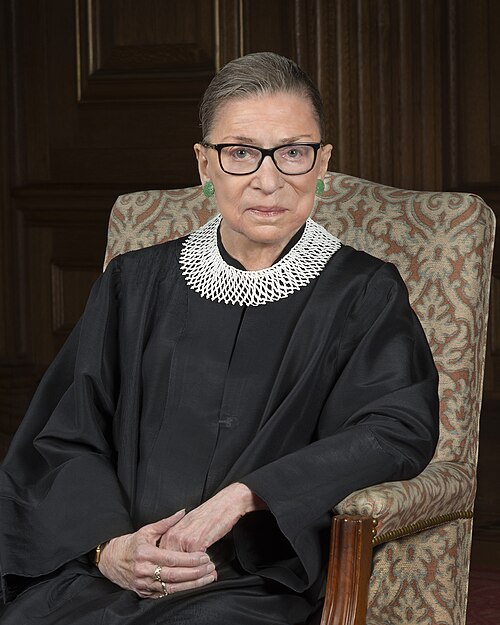
Ruth Bader Ginsburg challenged laws that treated people differently because of sex, developing a litigation strategy before her Supreme Court appointment. On the Basis of Sex dramatizes an early tax case involving a male caregiver; her collected writings offer a wider view of her legal career.