Prisoners at Attica took hostages during a September 1971 uprising over prison conditions. The state’s armed retaking killed prisoners and hostages and was followed by decades of disputes over accountability and compensation. Heather Ann Thompson’s Blood in the Water investigates the uprising and the experiences of survivors and families.
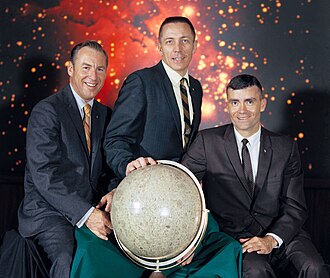
An oxygen-tank failure forced Apollo 13’s crew and ground teams to abandon a lunar landing and improvise a way home. Jim Lovell, Jack Swigert and Fred Haise survived the emergency. The book and film trace the teamwork, engineering and decisions behind the return to Earth.
Family acquaintance Robert Berchtold abducted Jan Broberg twice during the 1970s. He manipulated Jan and her parents, using threats and elaborate stories to conceal sexual abuse. Her family’s accounts and later documentaries examine the grooming that allowed the abuse to continue.
Colette MacDonald and her daughters Kimberly and Kristen were killed at Fort Bragg in 1970. Jeffrey MacDonald said intruders attacked the family, but he was convicted of the murders in 1979. Books and television accounts take sharply different positions on the evidence.
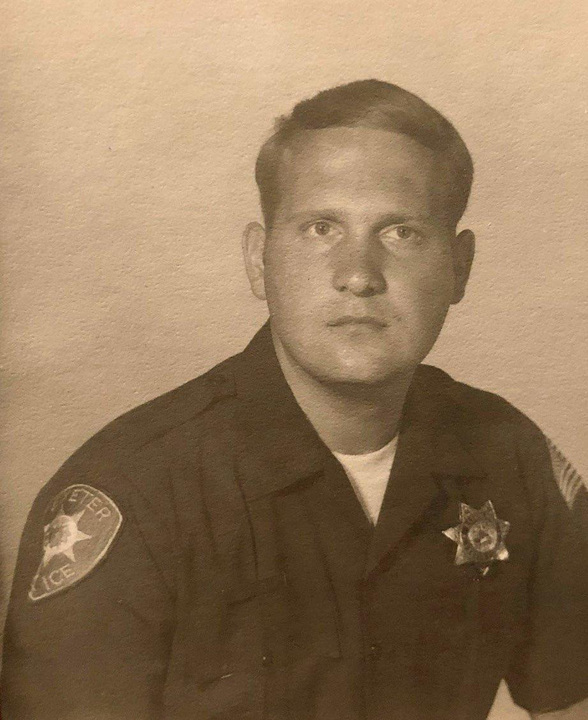
Joseph James DeAngelo committed murders, rapes, and burglaries across California under several names used by investigators and the media. Genetic genealogy helped identify the former police officer in 2018. He pleaded guilty to 13 murders in 2020 and admitted numerous other offenses.
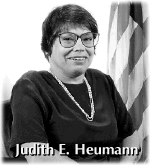
Judy Heumann challenged exclusion from education and employment and helped organize the 1977 Section 504 sit-in. Her memoir and Crip Camp connect personal experience to collective action for accessibility and civil rights. The story includes the community that formed around a summer camp for disabled young people.
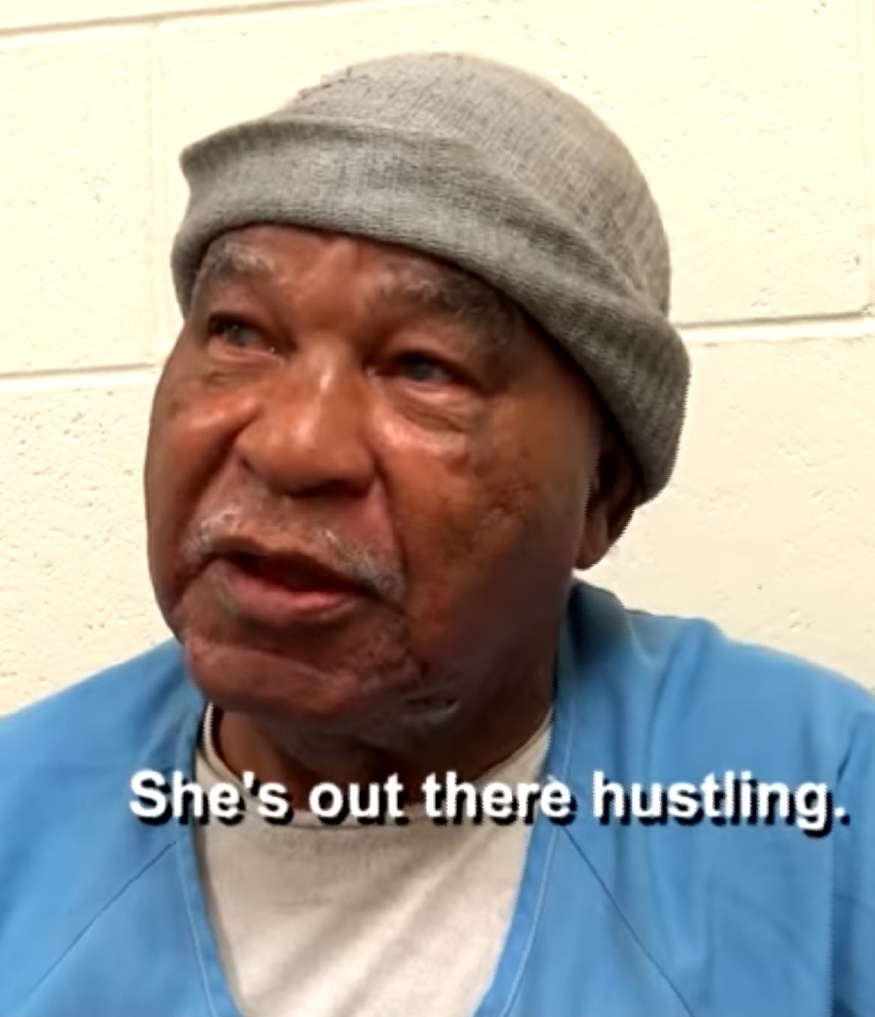
Samuel Little was convicted of three Los Angeles murders before confessing to scores of killings across the country. Investigators used his accounts and drawings to identify victims whose deaths had sometimes gone unrecognized as homicides. Confessed, corroborated, and legally proven totals are different measures.
Members of the Ohta household were found murdered at their Santa Cruz home in 1970. Investigators pursued evidence linking the killings to John Linley Frazier.
Velma Barfield poisoned Stuart Taylor with arsenic in North Carolina in 1978. The investigation led to admissions about other deaths connected to her. Books and reporting examine the killings, her trial, and the debate surrounding her execution in 1984.
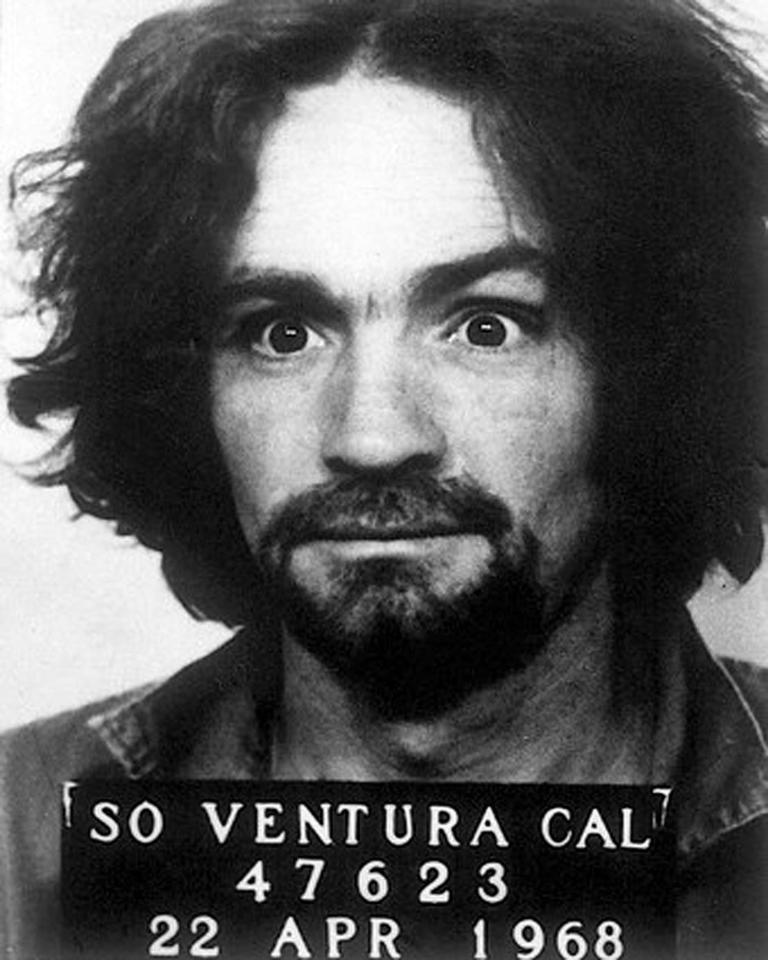
In August 1969, followers of Charles Manson murdered Sharon Tate and others at her home, then killed Leno and Rosemary LaBianca the following night. Manson and several followers were convicted. The extensive media coverage often examines how he directed and controlled the group.
Fifteen-year-old John McCabe was killed after a dance. Decades later, investigators revisited suspicions involving people who knew him, and the case produced different outcomes for the men tried.
Reet Jurvetson was killed in Los Angeles in 1969 and remained unidentified for decades as Jane Doe #59. A later DNA match established the Canadian teenager’s identity; the crime occurred in the United States.
A police raid on the Stonewall Inn sparked resistance and several nights of unrest in Greenwich Village. The uprising became a rallying point for LGBTQ organizing, building on activism that already existed. David Carter’s history and the documentary examine witnesses’ accounts and the broader setting.
Cheryl Perveler was found shot in her car in 1968. The investigation into her death exposed a wider plot and other violence connected to people close to her.
Penny Chenery took over the family’s Meadow Stable as her father’s health declined. In 1973, Secretariat won the Kentucky Derby, Preakness and Belmont Stakes, becoming the first Triple Crown winner in 25 years. The film Secretariat dramatizes Chenery’s role, while racing-history sources document the horse’s performances.
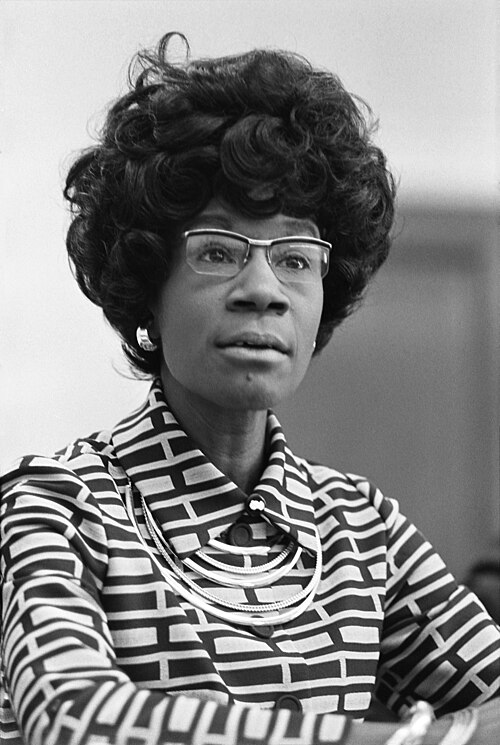
Shirley Chisholm became the first Black woman elected to Congress and later sought the Democratic presidential nomination. Her campaign challenged assumptions about who could seek national office. Her writing and the film Shirley explore the independence, coalition-building and resistance that shaped that effort.
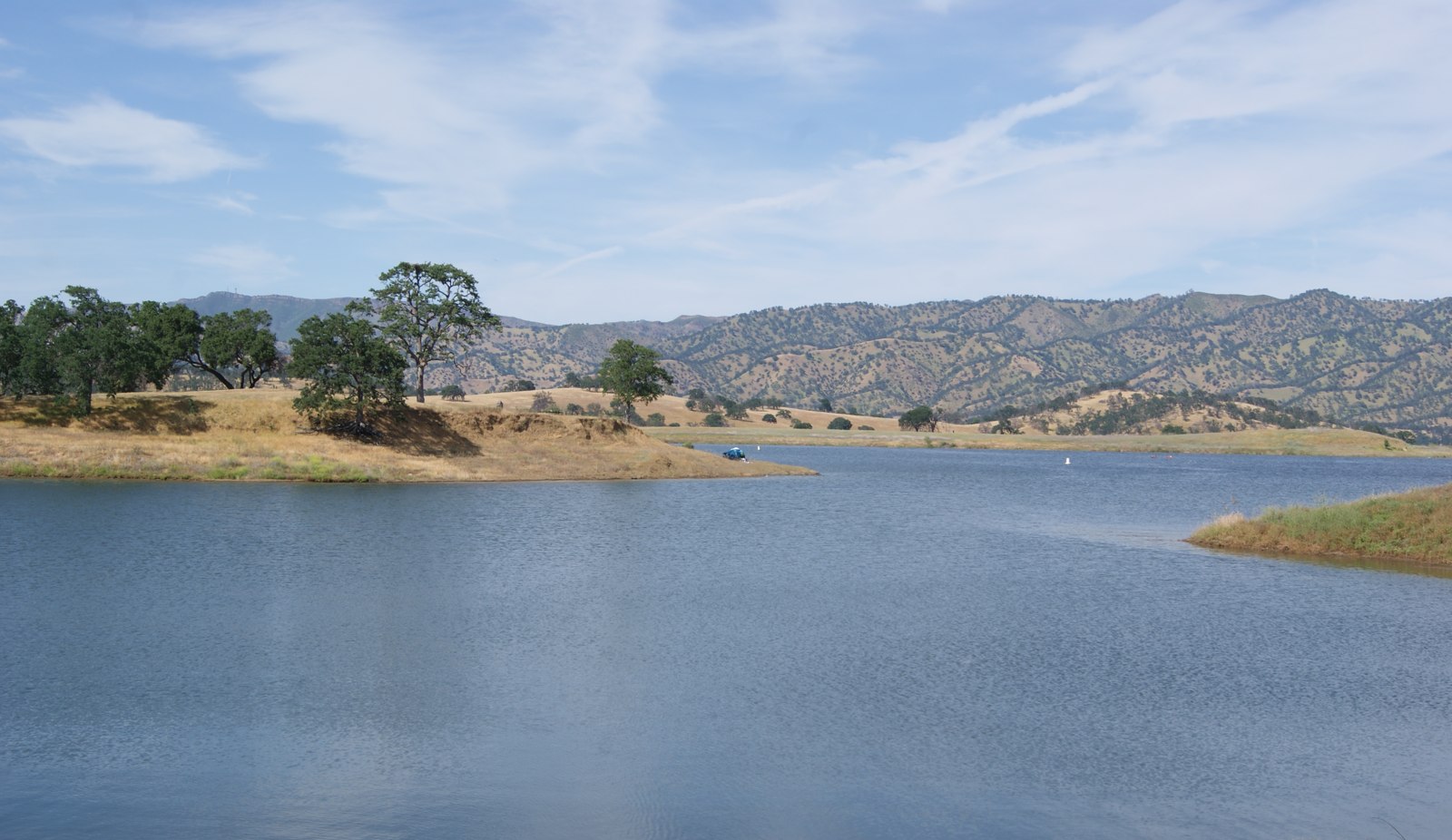
Case LocationLake Berryessa attack areaPhoto creditJames PostemaCC BY 4.0. Resized to fit.
The Zodiac attacked people in Northern California in the late 1960s and sent threatening letters and ciphers to newspapers. Five deaths are commonly attributed to the confirmed attacks. The killer’s identity remains unresolved, despite decades of suspects, books, films, and amateur investigations.
New York police officer Frank Serpico reported corruption within his department despite resistance from colleagues and superiors. His testimony and public disclosures became part of a wider reckoning with police misconduct. Peter Maas’s account and the film follow the personal costs of speaking out.
A caller claiming responsibility for killings contacted a South Carolina reporter and described where bodies could be found. The investigation identified Lee Roy Martin in a series of murders of young women.
A series of killings of young women in southeastern Michigan spread fear between 1967 and 1969. The investigation connected several communities and generated extensive reporting about the offender called the Co-Ed Killer.
Richard Speck attacked a Chicago townhouse occupied by student nurses in 1966, killing eight women. Corazon Amurao survived by hiding beneath a bed and later identified him. Her testimony and the investigation brought the case to trial and national attention.
Gunfire from the University of Texas tower killed and injured people on and around the Austin campus in August 1966. The episode examines the attack and the investigation into Charles Whitman.
The deaths of Eddie and Missy Crimmins led to a highly publicized investigation of their mother, Alice. The case involved repeated proceedings and intense scrutiny of her private life alongside disputed evidence.
Sisters Gretchen and Wendy Fritz failed to return from a trip to the movies in 1965. The investigation into their deaths exposed violence concealed within a group of Tucson teenagers.