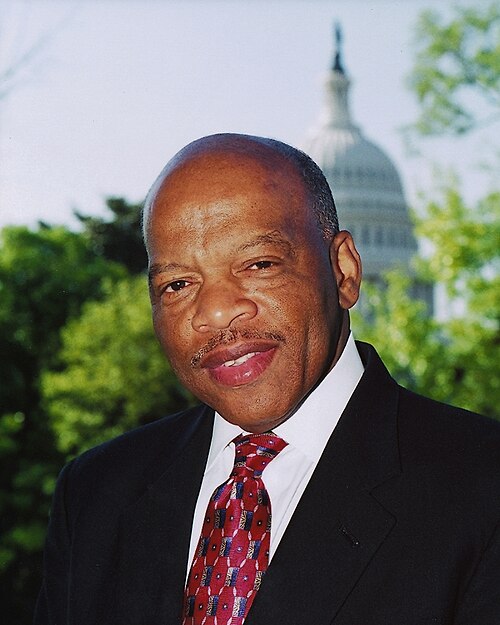
John Lewis and other voting-rights marchers were attacked by law enforcement on Bloody Sunday in Selma. Images of the violence drew national attention to Black Americans’ exclusion from voting. Lewis’s memoir and documentary place Selma within his longer commitment to nonviolent organizing and public service.
Five of Waneta Hoyt’s children died between 1965 and 1971, with their deaths initially associated with sudden infant death syndrome. A renewed investigation produced a confession she later recanted. She was convicted in 1995, and the case prompted scrutiny of the earlier medical conclusions.
Jacques Mossler was found stabbed in 1964. Investigators focused on family relationships and money, and the resulting prosecution of Candy Mossler and her nephew became a sensational public trial.
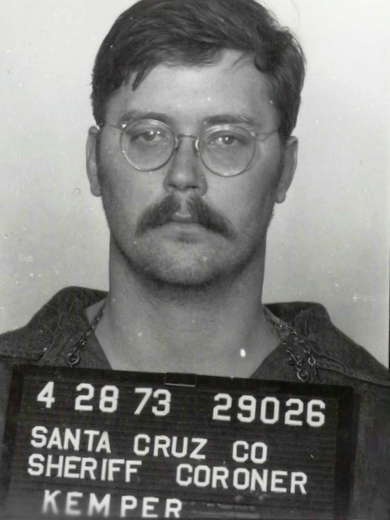
Edmund Kemper killed his grandparents as a teenager and was later released from psychiatric custody. In the early 1970s he murdered six young women, his mother, and her friend before surrendering. Interviews with him became part of later discussions of criminal profiling.
Kitty Genovese was murdered outside her Queens apartment building in 1964. The widely repeated story that dozens of witnesses did nothing became a subject of later correction and debate about bystander behavior.
Cork Miller died in a car fire in 1964. Investigators examined whether the fire was accidental or deliberately set, leading to a murder prosecution involving his wife Lucille.
Inventor Robert Kearns fought automakers over the use of his intermittent windshield-wiper technology. His long patent dispute placed an individual inventor against large manufacturers. Flash of Genius dramatizes the litigation and its strain on his family; John Seabrook’s collection includes the reporting behind the film.
Bayard Rustin coordinated the logistics of the 1963 March on Washington for Jobs and Freedom, drawing on years of nonviolent organizing. Racism and hostility toward his sexuality often pushed his work out of public view. The biography Lost Prophet and the film Rustin explore the man behind one of the civil rights movement’s defining events.
Carol Thompson reached a neighbor's home gravely injured in 1963. Investigators uncovered evidence of a planned attack behind the outward appearance of a stable family life.
Los Angeles officers Ian Campbell and Karl Hettinger were abducted during a traffic stop in March 1963 and driven to a rural field. Campbell was killed; Hettinger escaped. Joseph Wambaugh’s nonfiction book examines the crime, the prosecutions and the lasting effects on the surviving officer.
Civil rights organizer Medgar Evers was shot outside his Jackson home in June 1963. Two early trials failed to produce a verdict, but renewed investigation and his family’s persistence brought Byron De La Beckwith’s murder conviction in 1994. Ghosts of Mississippi follows the case across those three decades.
Two young women were murdered in an Upper East Side apartment in 1963. Public pressure on investigators contributed to a notorious false-confession case before the investigation identified another suspect.
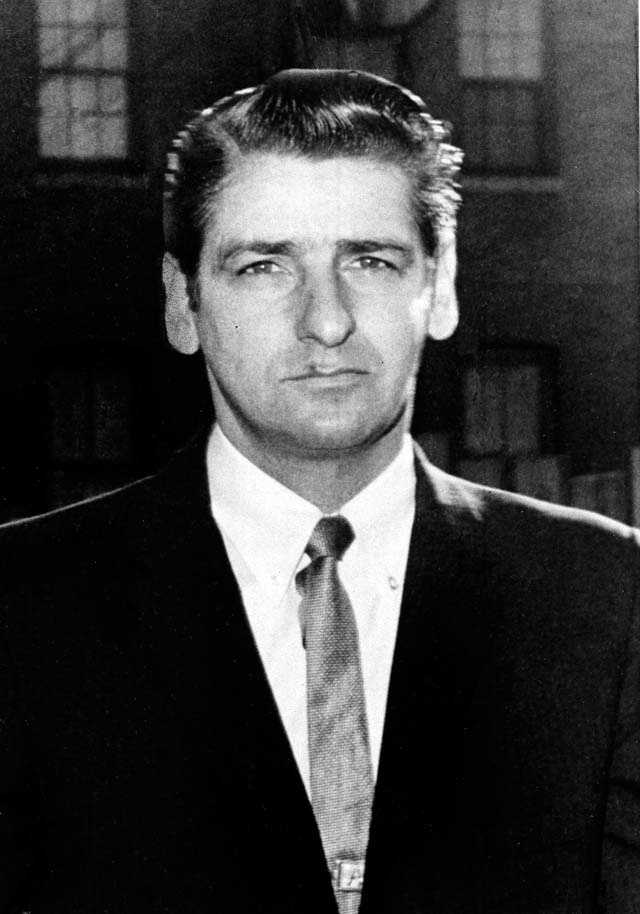
Albert DeSalvo confessed to the Boston Strangler killings but was never tried for those murders. DNA evidence later linked him to Mary Sullivan’s 1964 death. His responsibility for the other killings has remained a subject of disagreement in reporting and books.
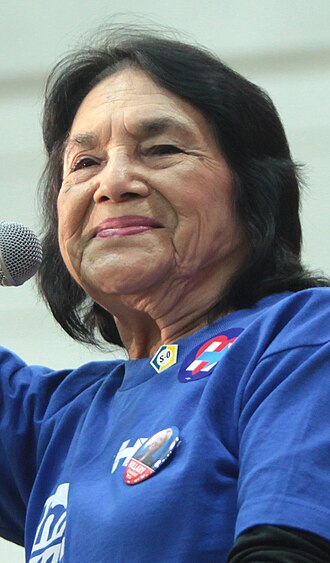
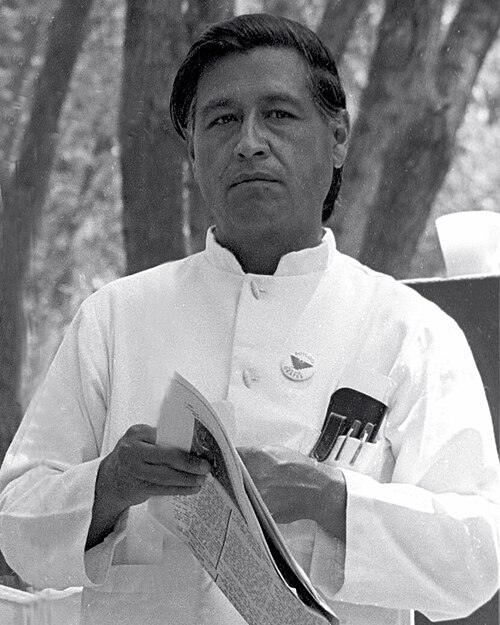
Cesar Chavez, Dolores Huerta and farmworkers organized strikes, boycotts and a union campaign to improve agricultural working conditions. Their story includes collective action by Mexican American and Filipino workers. Books and films explore both the movement’s achievements and tensions within its leadership.
Biologist and writer Rachel Carson investigated how pesticide use harmed wildlife and ecosystems. Silent Spring challenged assumptions about chemical safety and brought the issue to a wide audience. Her work helped stimulate public demands for stronger environmental oversight, although later regulatory decisions involved many people and scientific reviews.
High-school student Betty Williams disappeared in 1961. Investigators initially considered whether she had run away before information circulating among classmates shifted the inquiry toward murder.
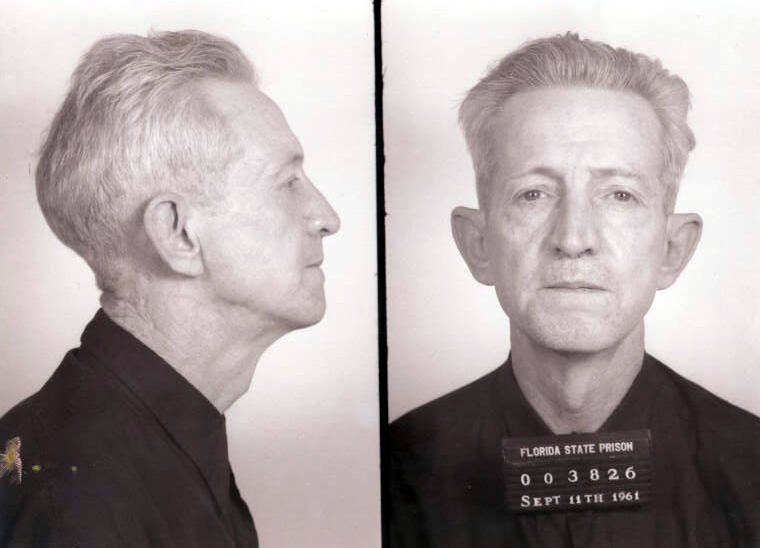
Unable to afford a lawyer, Clarence Earl Gideon defended himself against a Florida felony charge. His handwritten challenge reached the Supreme Court, which ruled that the constitutional right to counsel applies to indigent defendants in state felony prosecutions. He was acquitted at his retrial with a lawyer.
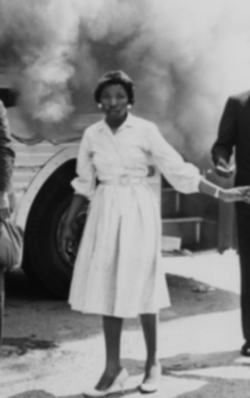
Interracial groups rode buses through the South to challenge segregation in interstate travel. Riders endured mob attacks, arrests and imprisonment while demanding enforcement of existing court rulings. The campaign helped force federal action against segregated interstate bus facilities.
José Hernández grew up in a migrant farmworker family and pursued electrical engineering before joining NASA. After years of applications, he was selected for astronaut training in 2004 and flew aboard Discovery’s STS-128 mission in 2009. His memoir and A Million Miles Away explore the family support and persistence behind that journey.
Mary Burge was found strangled in bed in 1960. Investigators examined her marriage and a network of local relationships as an unusual murder prosecution unfolded in Macon.
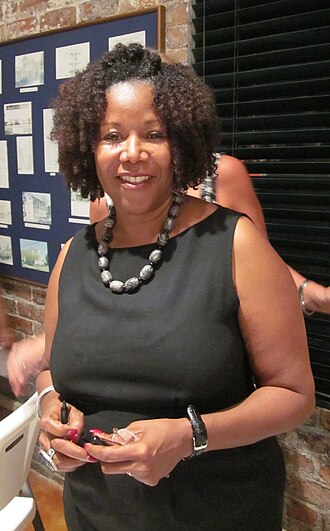
At six, Ruby Bridges entered William Frantz Elementary School under federal protection as New Orleans began school desegregation. She faced hostile crowds and an almost empty classroom. Her memoir and the Disney television film recount a child’s experience of a major civil rights struggle.
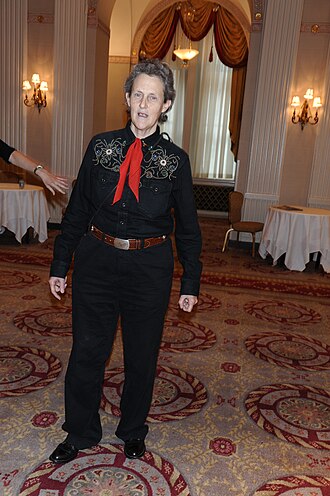
Temple Grandin developed a career in animal science and livestock-handling design while explaining her experience as an autistic person. Her writing and public work challenged assumptions about how people think and learn. The HBO film draws on her accounts of education, family support and early professional life.
Herb and Bonnie Clutter and their children Nancy and Kenyon were murdered at home in Kansas in 1959. Richard Hickock and Perry Smith had gone there expecting to find money. Their convictions and Truman Capote’s In Cold Blood made the case a landmark in crime writing.
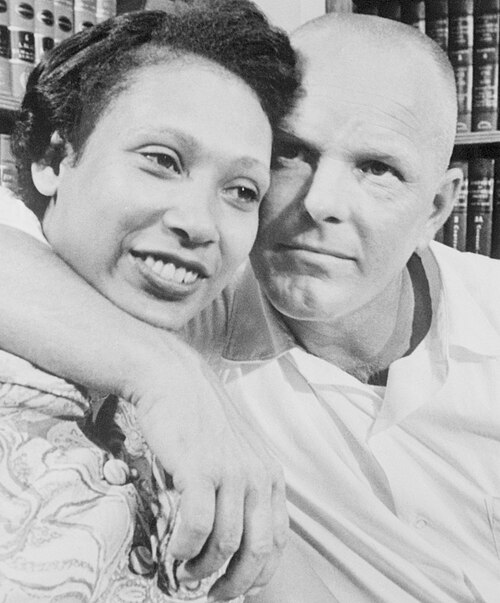
Mildred and Richard Loving were prosecuted under Virginia’s ban on interracial marriage after marrying in Washington, D.C. Their challenge reached the U.S. Supreme Court. In 1967, Loving v. Virginia struck down state bans on interracial marriage, changing constitutional protections for couples nationwide.