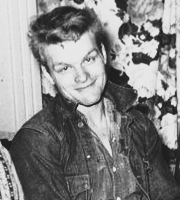
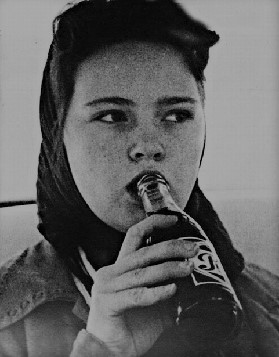
Charles Starkweather killed eleven people during a series of attacks ending in 1958. Fourteen-year-old Caril Ann Fugate accompanied him during much of the violence and was convicted as an accomplice. She maintained that she had been held hostage, a dispute explored in later accounts.
Inspired by the space race, Homer Hickam and his friends began building rockets in a West Virginia coal town. Their experiments offered a path toward education beyond the mines. Rocket Boys recounts the group’s work and community relationships; October Sky reshapes that memoir for the screen.
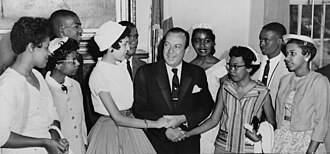
Nine Black students attempted to integrate Central High School in Little Rock in 1957. State resistance and mob hostility led to federal intervention. Their first school year brought sustained harassment even after troops escorted them inside; their accounts document the human cost of enforcing desegregation.
Billy Woodward was shot by his wife Ann in 1955. Her account of mistaking him for an intruder and the couple's prominence made the death a lasting subject of reporting and debate.
Judge Curtis Chillingworth and his wife disappeared after a dinner gathering in 1955. The investigation uncovered a murder plot involving corruption within the community's legal establishment.
Fourteen-year-old Emmett Till was abducted and murdered while visiting Mississippi. His mother, Mamie Till-Mobley, insisted that the public confront what had happened to him and became an advocate for justice. Her memoir and the film Till center a family’s loss and its place in civil rights history.
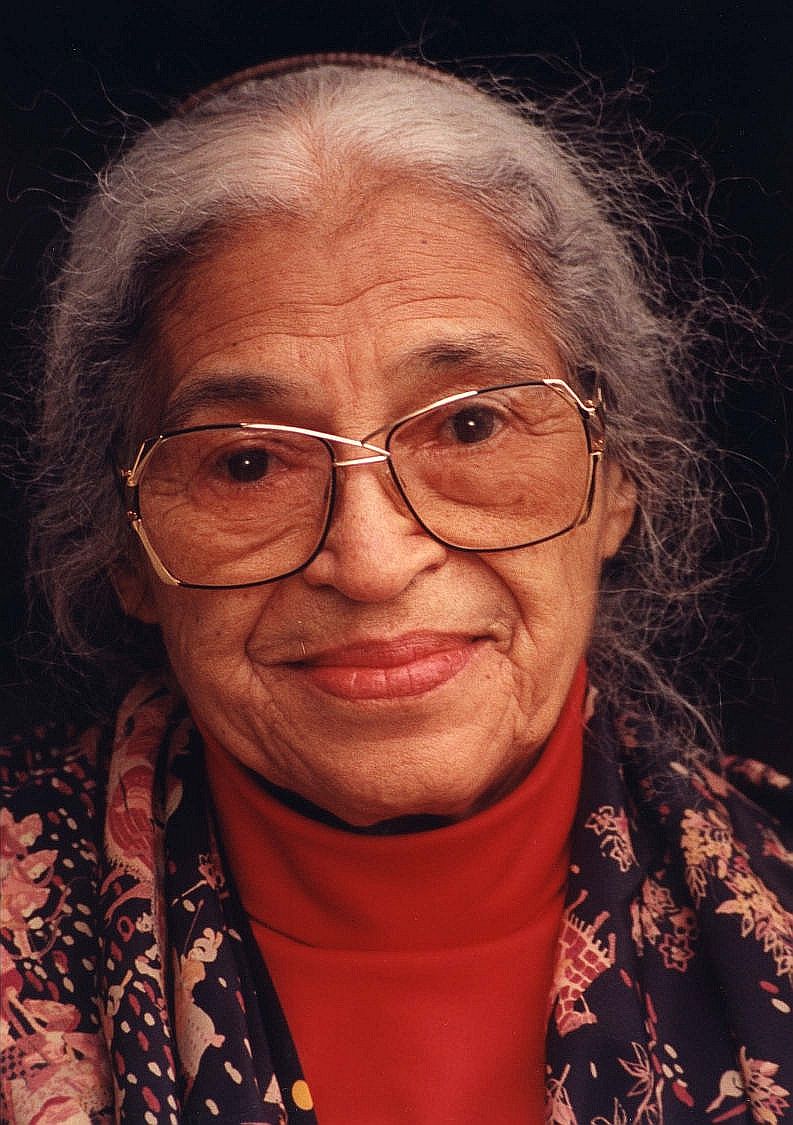
Rosa Parks’s arrest after refusing to surrender her bus seat became a catalyst for Montgomery’s organized bus boycott. Her activism extended far beyond that moment, including decades of civil rights work in Alabama and Michigan. The biography and documentary challenge the idea that her protest was accidental.
Fourteen-year-old Stephanie Bryan disappeared in 1955. A search involving investigators, local reporting, and physical evidence led to the discovery of her remains and the prosecution of Burton Abbott.
United Airlines Flight 629 exploded after leaving Denver in 1955, killing everyone aboard. Investigators established that a bomb, rather than an aircraft malfunction, had destroyed the flight.
The disappearance of shopkeeper Bernice Worden in 1957 led police to Ed Gein’s Wisconsin home, where they found her remains and evidence of grave robbing. He was also linked to Mary Hogan’s death. His case inspired horror fiction, which should be distinguished from factual accounts.
Marilyn Sheppard was killed in her bedroom in 1954. Her husband Sam was convicted, but the proceedings later became a landmark example of prejudicial publicity; he was acquitted at a retrial.
Bobby Greenlease was abducted in 1953, and his family paid a large ransom. The money did not bring him home; investigators traced the kidnapping, his killing, and the missing ransom funds.
The 1952 shooting of physician C. Leroy Adams led to the prosecution of Ruby McCollum. The case raised questions about race, power, and whose testimony could be heard in segregated Florida.
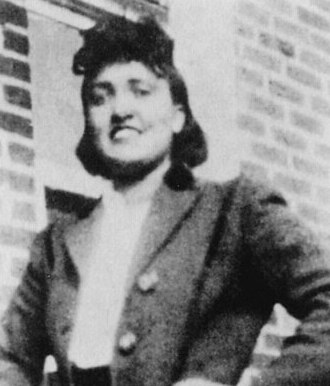
Cells taken during Henrietta Lacks’s cancer treatment in 1951 became a widely used research cell line without her knowledge or consent. Her family’s search for answers exposed the human story behind HeLa and prompted scrutiny of research consent, privacy and access to genetic information.
Families and NAACP lawyers challenged segregated public schooling through cases that reached the Supreme Court together. Brown v. Board of Education rejected racial segregation in public schools in 1954. Simple Justice follows the legal strategy and the people behind that constitutional decision.
Harvey Glatman used photography and introductions to gain access to women in Southern California. He killed Judith Dull, Ruth Mercado and Shirley Bridgeford; survivor Lorraine Vigil helped expose him.
Eight of Marie Noe’s infants died under circumstances once attributed to unexplained natural causes. Decades later, investigators reopened the Philadelphia case and obtained admissions. Noe pleaded guilty to eight counts of second-degree murder in 1999 under an agreement that included probation and psychiatric evaluation.
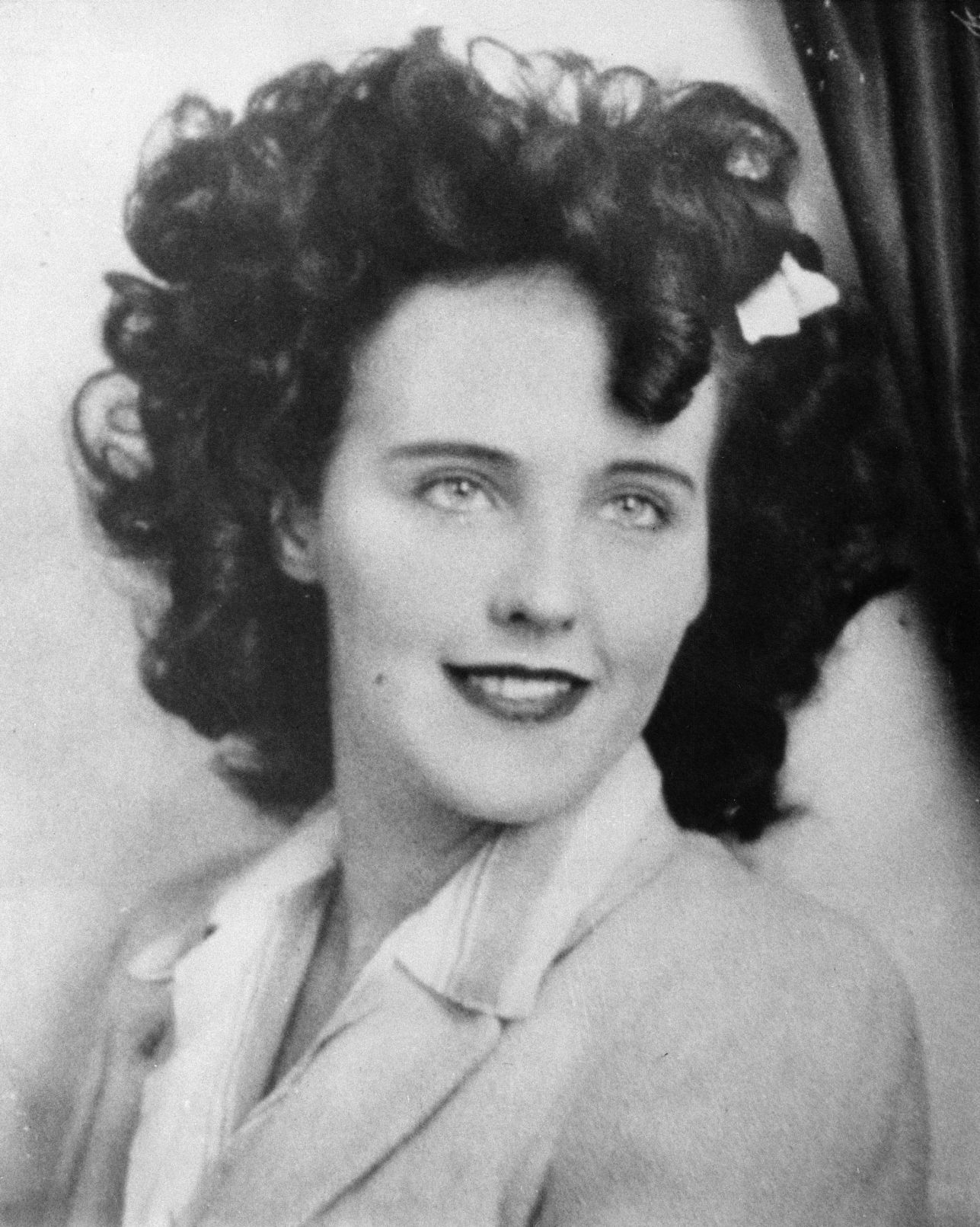
Elizabeth Short’s body was found in Los Angeles in January 1947. Newspapers called her the Black Dahlia, and the unsolved killing generated decades of theories and fictional treatments. No later book’s proposed suspect should be treated as an officially established killer.
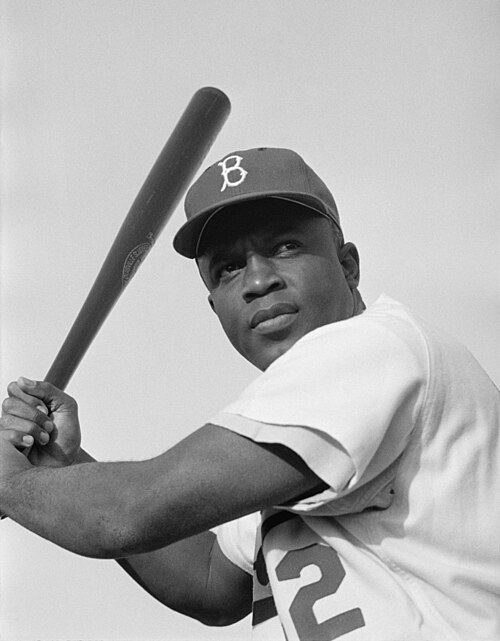
Jackie Robinson joined the Brooklyn Dodgers in 1947 and broke Major League Baseball’s modern color barrier. He faced racist abuse while succeeding on the field, then continued advocating for civil rights. His autobiography covers more of that life than 42, which concentrates on his entry into the major leagues.
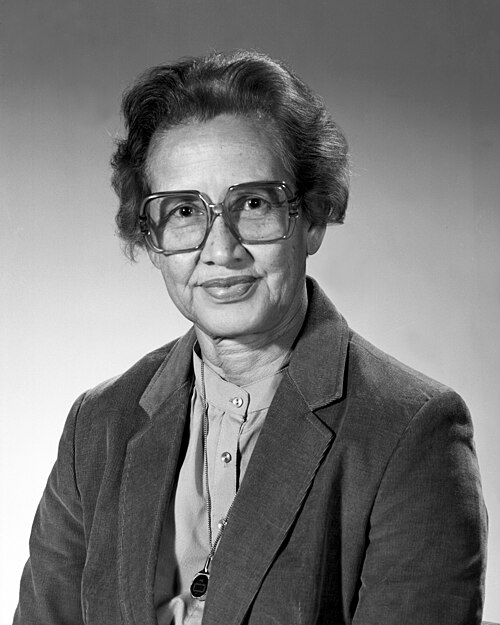
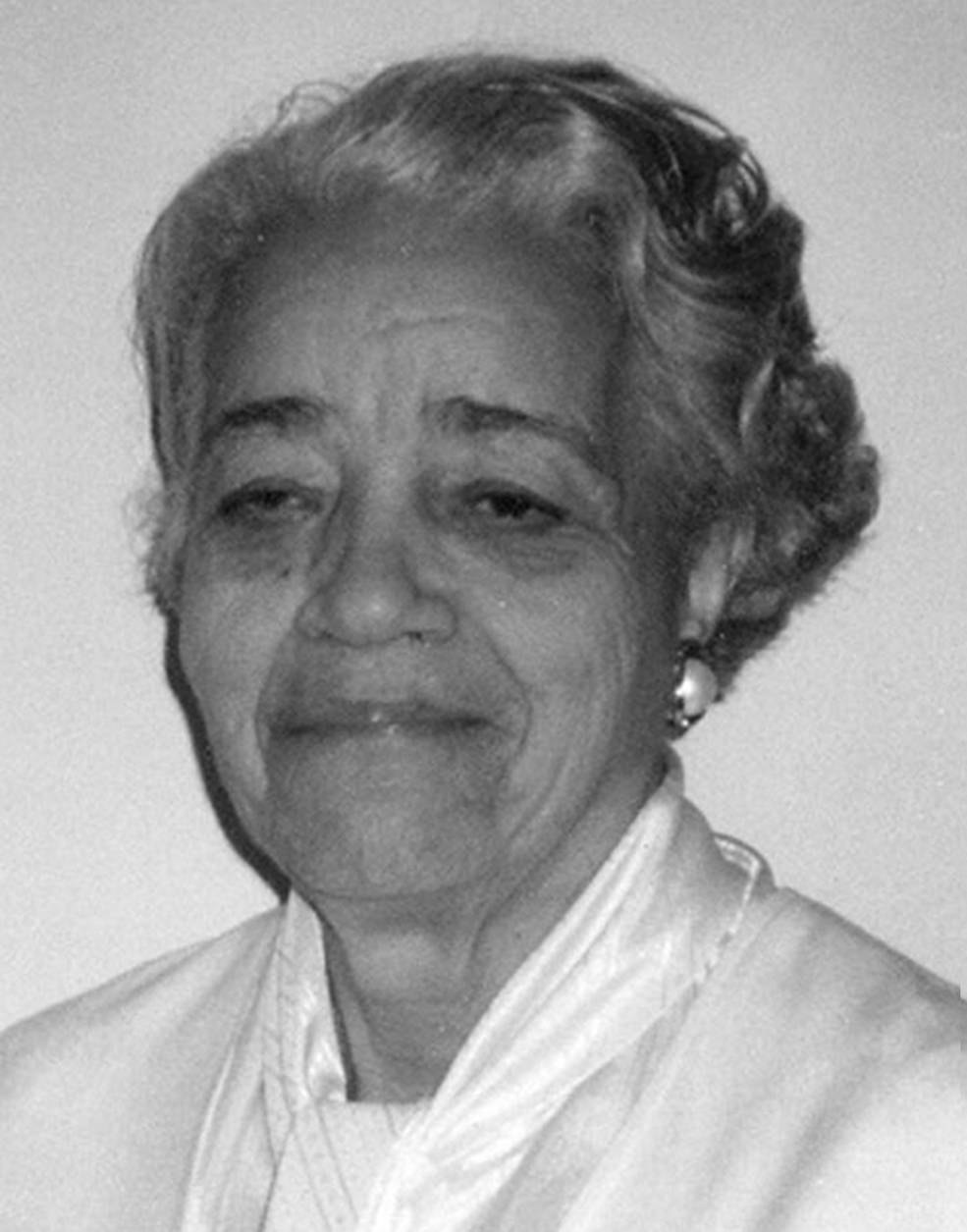
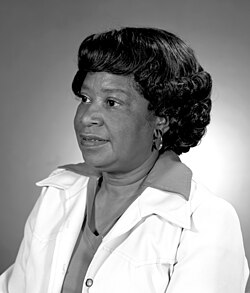
Black women mathematicians and engineers at Langley contributed to American aviation and the space program while working within racial and gender barriers. Hidden Figures brings together the stories of Katherine Johnson, Dorothy Vaughan, Mary Jackson and their colleagues; the film focuses on a smaller group and shorter period.
Jeanne Wakatsuki Houston was a child when her family was forcibly removed and incarcerated at Manzanar during World War II. Her memoir follows family life inside the camp and the experience of returning afterward. Its television adaptation helped bring Japanese American incarceration to a wider audience.
A killing in the Bronx led investigators to examine a series of attacks on women. Survivors' accounts helped connect the incidents and identify George Joseph Cvek.
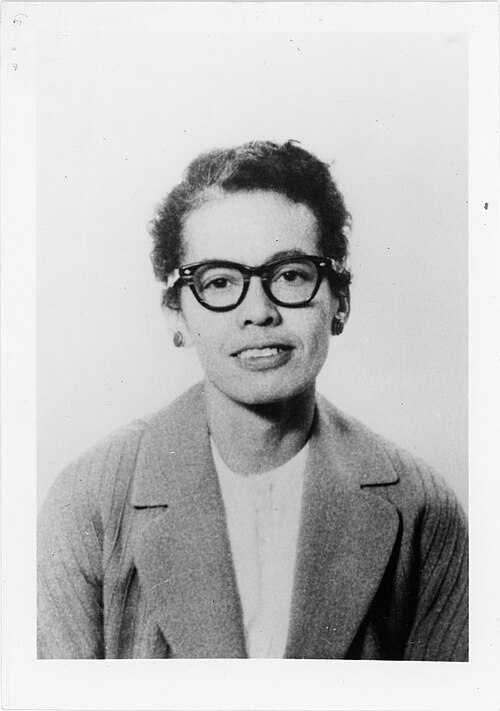
Lawyer, writer and activist Pauli Murray challenged racial and sex discrimination and developed legal arguments that influenced other civil rights advocates. Murray’s life also crossed boundaries of gender, faith and professional access. The memoir and documentary restore context to a figure often left out of familiar accounts.
Veronica Gedeon and two other people were found murdered over Easter weekend in 1937. The investigation examined people around the model and connections to the city's art world.